
8 ohm pa speakers

8 ohm PA speakers are a fundamental component in professional audio systems, widely used in live sound reinforcement, public address setups, and commercial installations.
The 8 ohm impedance rating represents a standard balance between efficiency, compatibility, and performance, making these speakers ideal for use with most amplifiers. Designed to deliver clear, powerful sound across a range of environments, they provide reliable audio reproduction for venues such as conference halls, schools, and concert spaces.
Whether used in fixed installations or portable systems, 8 ohm PA speakers offer consistent impedance matching, reducing the risk of overheating or amplifier damage. Their versatility and durability make them a top choice in the audio industry.
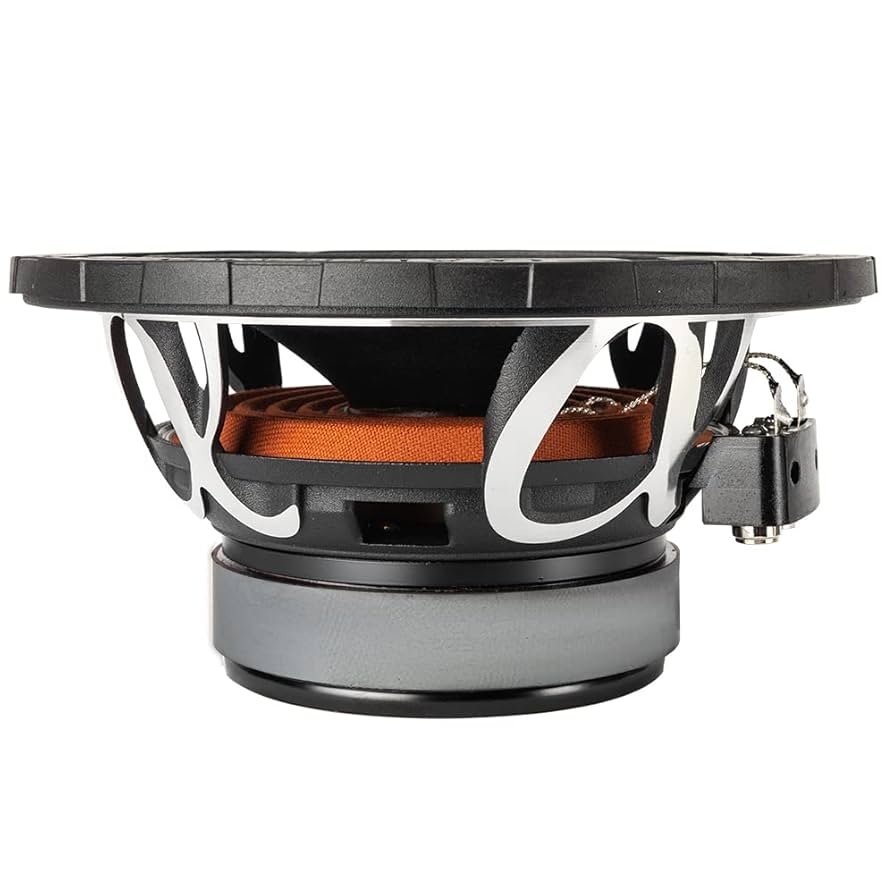 Alphasonik dj speakers
Understanding 8 Ohm PA Speakers: Performance and Practical Applications
8 ohm PA (Public Address) speakers are a common standard in audio systems, providing an optimal balance between power efficiency, amplifier compatibility, and sound quality for a wide range of installations.
The nominal impedance of 8 ohms refers to the electrical resistance the speaker presents to the amplifier, which is crucial for ensuring stable operation and preventing overloading of audio equipment. Most commercially available amplifiers are designed to deliver their rated power safely into an 8 ohm load, making these speakers ideal for use in venues such as schools, churches, conference rooms, and retail spaces.
Their widespread compatibility allows them to be easily integrated into both small and large PA systems, ensuring consistent audio distribution with minimal risk of distortion or equipment damage. Additionally, using 8 ohm speakers simplifies system design, as multiple speakers can often be wired in parallel or series without dropping below the amplifier’s minimum impedance threshold.
What Does '8 Ohm' Mean in PA Speakers?
The term '8 ohm' refers to the nominal impedance of a speaker, which measures how much it resists the flow of electrical current from the amplifier.
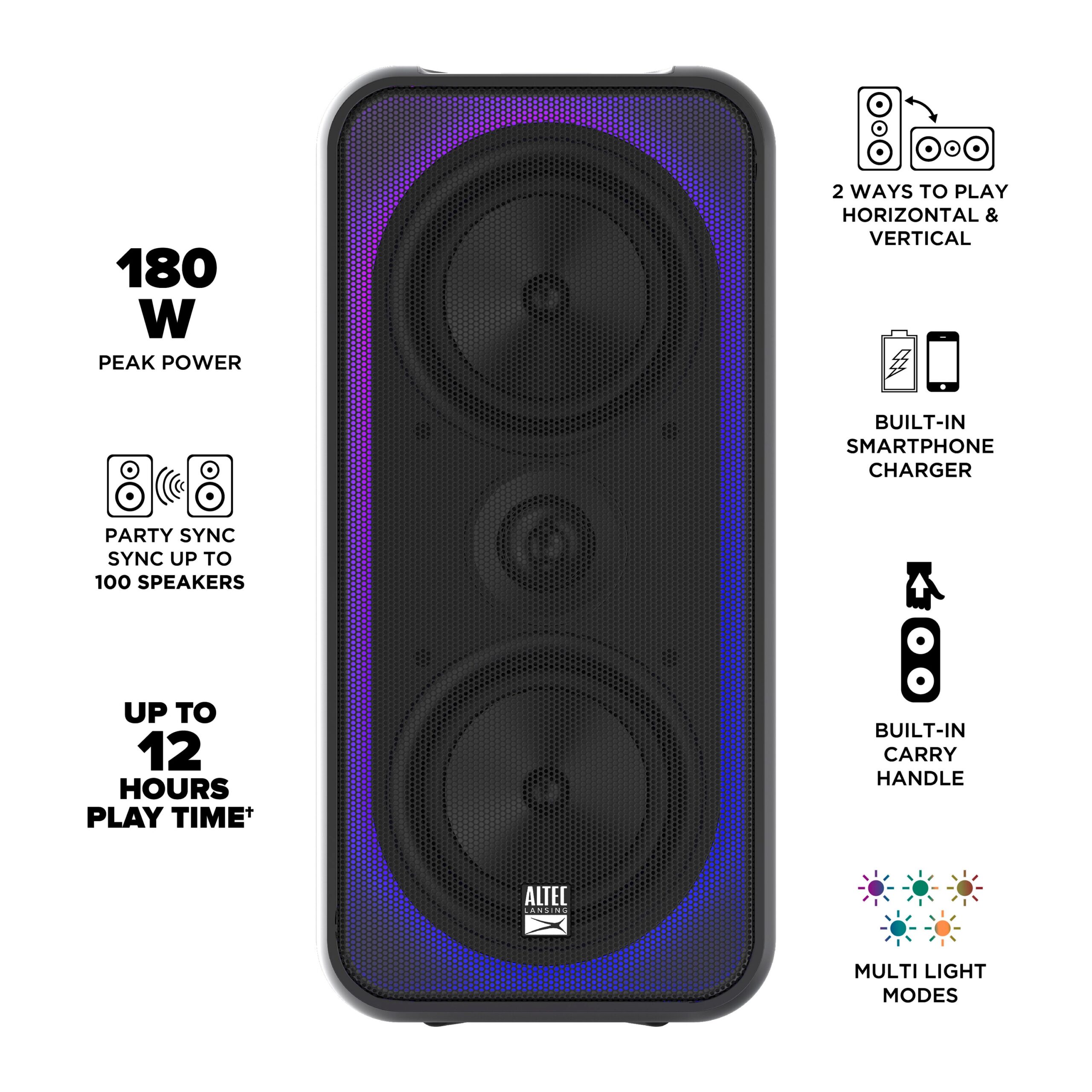 Altec lansing dj speakers
Impedance is not a fixed value but varies with frequency; however, the 8 ohm rating is an average used to guide amplifier pairing and system design. An 8 ohm impedance strikes a balance between power draw and performance, allowing amplifiers to deliver sufficient audio power without excessive heat or stress.
Lower impedance (like 4 ohms) demands more current and can overload some amplifiers, while higher impedance (16 ohms) draws less power and may result in lower volume output. Therefore, 8 ohm PA speakers are widely adopted because they are compatible with a vast range of commercial amplifiers and offer reliable performance across diverse acoustic environments.
Advantages of Using 8 Ohm Speakers in Public Address Systems
One of the primary advantages of using 8 ohm PA speakers is their broad amplifier compatibility. Since most AV and commercial audio amplifiers are optimized for 8 ohm loads, system integrators can confidently pair equipment without complex impedance calculations.
These speakers also support easier system expansion—multiple 8 ohm units can often be connected in parallel (resulting in a 4 ohm load with two speakers) without exceeding safe operating limits, provided the amplifier supports lower impedances.
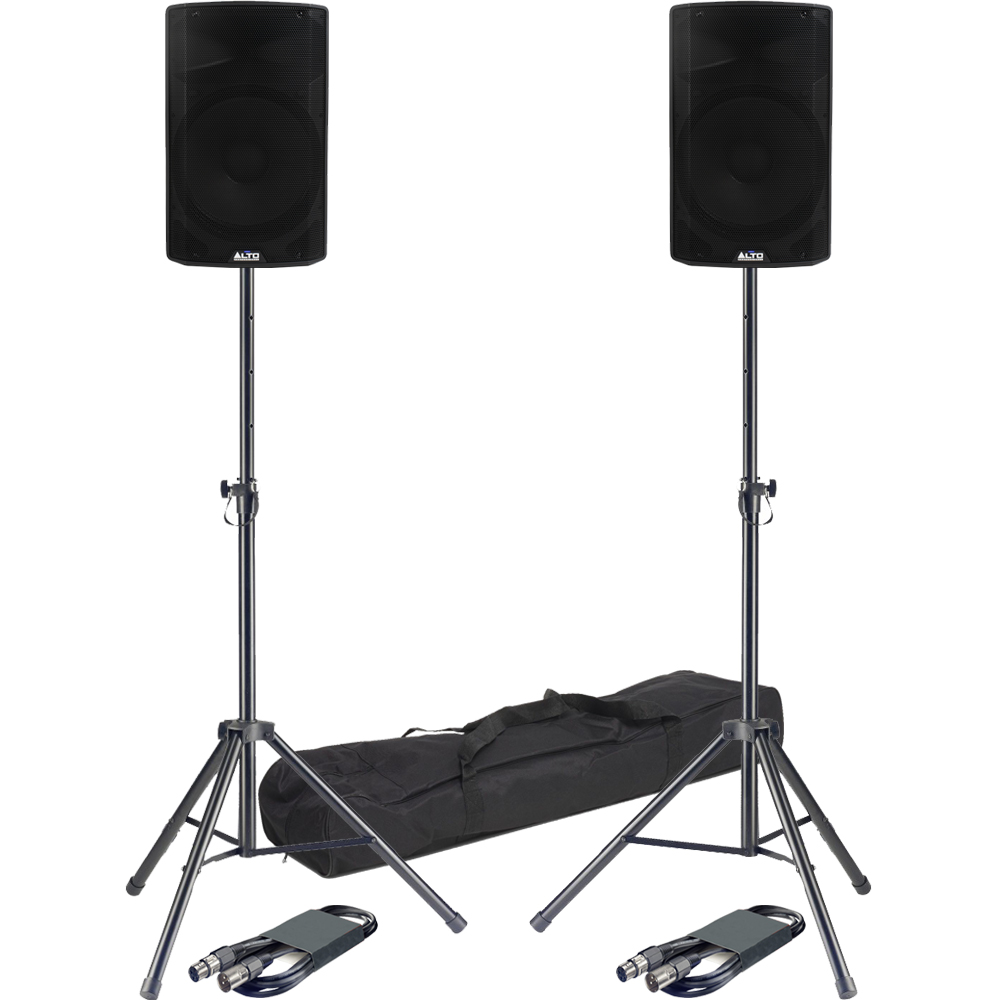 Alto dj speakers
Furthermore, 8 ohm speakers typically deliver a balanced power-to-volume ratio, ensuring clear sound reproduction at moderate to high volumes. They are also less prone to causing amplifier clipping or thermal shutdown, contributing to longer equipment lifespan and more stable audio performance in public settings.
How to Choose the Right 8 Ohm PA Speakers for Your Venue
Selecting the appropriate 8 ohm PA speakers requires evaluating several factors, including room acoustics, coverage needs, power requirements, and installation type (ceiling-mounted, wall-mounted, or portable).
For large halls or outdoor areas, speakers with higher sensitivity ratings (measured in dB) will project sound efficiently with less amplifier power. In environments like classrooms or offices, compact ceiling speakers with wide dispersion patterns ensure even coverage.
It's also essential to match the speaker’s power handling capacity (RMS) with the amplifier’s output to avoid distortion or damage. Below is a comparison table highlighting key specifications to consider when choosing 8 ohm PA speakers.
 American audio dj speakers
| Feature | Description | Why It Matters |
|---|---|---|
| Impedance | 8 ohms (nominal) | Ensures compatibility with standard amplifiers and stable power delivery. |
| Power Handling (RMS) | 15W to 100W+ depending on model | Indicates how much continuous power the speaker can handle without damage. |
| Sensitivity | 85 dB to 92 dB (1W/1m) | Higher sensitivity = louder output with less amplifier power; ideal for large spaces. |
| Frequency Response | 60 Hz – 18 kHz (typical) | Determines the range of sounds the speaker can reproduce, affecting clarity and fullness. |
| Mounting Options | Ceiling, wall, or surface mount | Impacts installation flexibility and directional coverage for even sound distribution. |
Comprehensive Guide to 8 Ohm PA Speakers: Performance, Impedance, and System Integration
Which delivers stronger bass, 4 ohm or 8 ohm speakers for PA systems?

Electrical Impedance and Its Role in Bass Output
- Impedance, measured in ohms, refers to the resistance a speaker presents to the amplifier's output signal. A 4 ohm speaker offers less resistance than an 8 ohm speaker, allowing more electrical current to flow from the amplifier when voltage is applied.
- With lower impedance, the amplifier works harder and can deliver more power to the speaker—typically, amplifiers produce higher wattage outputs into 4 ohm loads compared to 8 ohm loads. This increased power can contribute to greater overall sound pressure levels, including bass frequencies.
- However, the strength and quality of bass are not determined by impedance alone. Factors such as driver size, cabinet design, and crossover settings play critical roles in how bass is reproduced, meaning a lower impedance does not guarantee stronger or deeper bass by default.
Power Handling and Amplifier Compatibility
- When using 4 ohm speakers, amplifiers must supply more current to maintain stability. This increased demand can lead to higher power output, which may enhance bass performance if the amplifier is designed to handle lower impedance loads effectively.
- Some amplifiers are not rated for 4 ohm operation and may overheat or shut down under sustained load, making 8 ohm speakers a safer and more stable choice in such cases. Stability ensures consistent performance, including in low-frequency reproduction.
- In PA systems, reliability is crucial. While 4 ohm setups might deliver more power and potentially stronger bass in ideal conditions, using 8 ohm speakers can reduce amplifier strain and improve long-term performance, especially in extended live sound applications.
Sensitivity, Cabinet Design, and Real-World Bass Response
- Speaker sensitivity—measured in decibels per watt at one meter—often has a greater impact on perceived bass strength than impedance. A highly sensitive 8 ohm speaker may produce louder and more impactful bass than a less sensitive 4 ohm model, even with lower power input.
- Cabinet design, such as bass reflex or horn-loaded enclosures, affects how efficiently low frequencies are projected. A well-designed 8 ohm subwoofer cabinet can outperform a poorly designed 4 ohm alternative in both depth and impact of bass.
- In real-world PA applications, system configuration matters. Multiple 8 ohm speakers can be wired in parallel or series to achieve optimal load impedance while maintaining high output. Ultimately, the entire system design—not just speaker impedance—determines the strength and clarity of bass delivery.
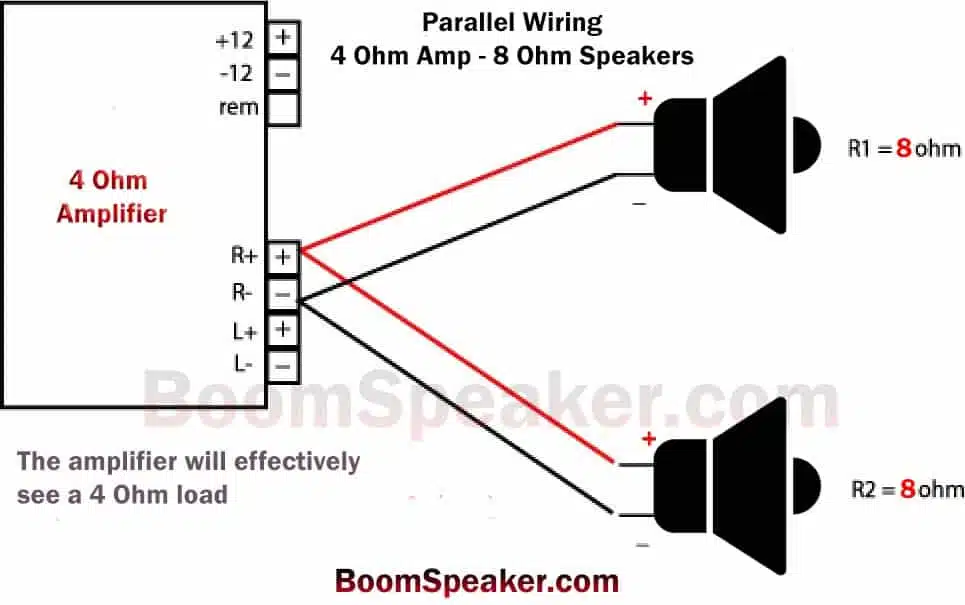
Can 8 ohm PA speakers be safely used with a 4 ohm amplifier?
Understanding Impedance Compatibility Between Speakers and Amplifiers
- Impedance, measured in ohms, indicates the electrical resistance a speaker presents to an amplifier. When matching speakers to an amplifier, it's essential to understand how impedance affects performance and safety. An 8 ohm speaker offers higher resistance than a 4 ohm speaker, meaning it draws less current from the amplifier.
- Using an 8 ohm speaker with an amplifier rated for 4 ohms is generally safe because the higher impedance reduces the electrical load on the amplifier. The amplifier will deliver less power than it would into a 4 ohm load, but this typically prevents overheating and strain on internal components.
- Most solid-state amplifiers are designed to handle higher impedance loads without issue, making it electrically safe to connect 8 ohm speakers. However, it’s important to check the amplifier’s manual to confirm its minimum supported impedance and whether it can operate stably with higher loads.
Power Output and Efficiency Considerations
- When an amplifier drives an 8 ohm speaker instead of a 4 ohm speaker, the power output is typically reduced—often by about half—due to the higher resistance. For example, an amplifier delivering 100 watts into 4 ohms may output around 50–60 watts into 8 ohms.
- Reduced power output doesn't necessarily mean poor performance, especially in applications like background music or small venues where full amplifier capacity isn't required. The system will still function, but maximum volume and headroom may be lower.
- While efficiency is decreased, this setup can actually extend the life of the amplifier by minimizing thermal stress. The amplifier works less hard, runs cooler, and experiences less internal strain, potentially resulting in more reliable long-term operation.
Potential Risks and Best Practices
- Although connecting 8 ohm speakers to a 4 ohm amplifier is generally safe, issues can arise if multiple speakers are wired in parallel, inadvertently dropping the total impedance below the amplifier’s minimum rating. Careful attention to wiring configurations is crucial.
- Vacuum tube amplifiers are more sensitive to impedance mismatches than solid-state models. While many can tolerate slight mismatches, using an 8 ohm speaker with a 4 ohm output tap on a tube amp may lead to increased distortion or long-term damage to output transformers.
- To ensure optimal performance and safety, always consult the amplifier’s specifications and manufacturer guidelines. When in doubt, using speakers with an impedance rating equal to or higher than the amplifier’s minimum is the recommended practice.
Frequently Asked Questions
What does 8 ohm mean for PA speakers?
An 8 ohm rating indicates the speaker's impedance, or resistance to electrical current from the amplifier. Most PA speakers are designed with 8 ohm impedance to match common amplifier outputs, ensuring efficient power transfer and reducing the risk of overheating.
This standard impedance allows for easier system configuration and compatibility, especially when connecting multiple speakers. Choosing 8 ohm speakers helps maintain balanced audio performance and system stability in most professional sound setups.
 American dj speakers
Can I mix 8 ohm and 4 ohm PA speakers in the same system?
Mixing 8 ohm and 4 ohm PA speakers is not recommended, as it can create an uneven impedance load on the amplifier, potentially causing overheating or damage. Amplifiers are designed to handle specific impedance ranges, and combining different ohm ratings may exceed these limits.
If you must mix speakers, use amplifiers with multiple channels set to appropriate loads, or consult a professional to ensure safe configuration and consistent sound quality across all speakers.
Are 8 ohm speakers better than 4 ohm for live sound?
8 ohm speakers are often preferred for live sound due to their compatibility with most commercial amplifiers and easier load management when connecting multiple speakers. While 4 ohm speakers can draw more power, they require amplifiers capable of handling lower impedance, increasing complexity and cost. For most PA systems, 8 ohm speakers offer a reliable balance of performance, efficiency, and safety, making them a practical choice for consistent sound quality in various live sound environments.
How many 8 ohm PA speakers can I connect to one amplifier?
The number of 8 ohm PA speakers you can connect depends on the amplifier’s power output and its minimum impedance rating. In parallel, two 8 ohm speakers create a 4 ohm load, which most amplifiers can handle. However, adding more may drop impedance too low.
 Audio dj speakers
Always check the amplifier’s specifications to ensure it supports the total impedance and power requirements. Using series or parallel configurations correctly helps maintain system safety and optimal performance.
Leave a Reply