
Are pa speakers good for music

PA speakers are commonly associated with public address systems used in large venues, but their role in music playback often sparks debate.
While they are designed primarily for clarity and volume in speech reinforcement, many wonder if they deliver quality sound for music. With advancements in audio technology, modern PA speakers have expanded their capabilities, offering broader frequency response and improved sound fidelity.
Whether used in live performances, outdoor events, or even home setups, their performance with music depends on design, placement, and application. This article explores the suitability of PA speakers for music listening, evaluating sound quality, versatility, and how they compare to dedicated studio or hi-fi speakers.
 4000 watt dj speakers
Are PA Speakers Good for Music?
PA (Public Address) speakers are designed primarily for live sound reinforcement, making them a common choice in concerts, speeches, and events where clear, powerful audio projection is essential.
While their main purpose isn’t tailored specifically for home music listening like studio monitors or high-fidelity bookshelf speakers, PA speakers can indeed deliver excellent performance for music—especially in large venues or outdoor environments. Their robust build, wide frequency dispersion, and high output capabilities allow them to handle dynamic music content effectively.
However, the suitability of PA speakers for music depends on several factors such as the speaker’s frequency response, power handling, and the listening environment. Although they may not always provide the nuanced audio detail preferred by audiophiles, they offer reliability and loudness ideal for public music playback.
Sound Quality and Frequency Response
PA speakers are engineered to reproduce a broad range of frequencies to accommodate everything from vocals to full-band music, but their sound signature tends to prioritize clarity and volume over audiophile-grade accuracy.
 500 watt dj speakers
Most modern PA systems deliver a frequency response between 50 Hz and 18 kHz, covering essential musical ranges, though bass extension is often bolstered with subwoofers for richer low-end. Active PA speakers with built-in digital signal processing (DSP) can offer better tonal balance, making them competitive for music playback.
However, because they're designed for even sound dispersion across large areas, they sometimes lack the directional focus and stereo imaging ideal for critical music listening. Still, in live or event-based scenarios, their ability to maintain consistent sound quality at high volumes makes them a practical option.
Use Cases and Environment Suitability
The effectiveness of PA speakers for music depends largely on the environment and usage. In large indoor halls, outdoor stages, or festivals, PA speakers excel due to their high SPL (Sound Pressure Level) output and durability. They are optimized to project sound over distances without significant loss of clarity, which is crucial when addressing large audiences. For home studios or personal listening, dedicated studio monitors are usually preferred for their neutral response. However, mobile DJs, event organizers, and small bands often rely on PA systems for both speech and music because of their versatility and portability. In these applications, modern 2-way or 3-way PA speakers can deliver a well-balanced mix suitable for various music genres.
Comparison with Studio and Hi-Fi Speakers
While PA speakers focus on durability and loudness, studio monitors and hi-fi speakers emphasize audio accuracy and detail.
 Active dj speakers pair
Studio monitors are designed for flat frequency responses to help audio engineers make precise mixing decisions, whereas hi-fi systems aim to recreate music as faithfully as possible for home enjoyment. PA speakers, in contrast, are tuned to cut through ambient noise and project evenly across space, sometimes emphasizing midrange frequencies for vocal clarity.
This makes them less ideal for intimate, detail-focused listening but highly effective in environments where music must be heard clearly by many people at once. Ultimately, the choice between PA and other speaker types depends on the listener’s priorities—coverage and volume versus tonal precision.
| Feature | PA Speakers | Studio Monitors | Hi-Fi Speakers |
|---|---|---|---|
| Primary Use | Live events, public address | Music production, mixing | Home music listening |
| Sound Accuracy | Moderate – optimized for clarity | High – flat frequency response | High – detailed soundstage |
| Volume Capacity | Very high – high SPL | Moderate to high | Moderate |
| Best Environment | Large venues, outdoors | Studios, control rooms | Living rooms, dedicated listening spaces |
| Portability | High – often designed for transport | Medium – may require stands | Low to medium – often stationary |
Are PA Speakers Good for Music? A Comprehensive Guide
Are PA speakers suitable for music, and what are their limitations?

PA speakers, or public address speakers, are primarily designed for speech reinforcement and general sound coverage in large or open spaces such as auditoriums, schools, and event venues.
 Active or passive speakers for dj
While they can be used to play music, they are not always the ideal choice compared to dedicated music or studio monitor speakers. Their design prioritizes clarity of voice and broad dispersion over high-fidelity audio reproduction. This means they often lack the nuanced frequency response, dynamic range, and sound staging that music enthusiasts and audiophiles expect.
However, in environments where background music, announcements, and general audio coverage are needed—such as retail stores, gyms, or outdoor events—PA speakers can fulfill the role adequately. Their suitability for music depends heavily on the context, volume requirements, and expectations for sound quality.
Sound Quality and Frequency Response Limitations
- PA speakers typically exhibit a limited frequency response, especially in the low-end and high-end ranges, which affects the richness and clarity of music. Bass notes may sound thin or distorted, while high frequencies can come across as harsh or overly bright due to the emphasis on vocal clarity rather than musical tonality.
- The crossover designs in many PA systems are optimized for speech intelligibility, leading to uneven sound distribution across frequencies when music is played. This can result in certain instruments or vocals being emphasized unnaturally, detracting from the overall listening experience.
- Unlike studio monitors or high-fidelity home audio systems, PA speakers often lack detailed midrange accuracy and stereo imaging, making them less capable of reproducing the depth and space in complex musical arrangements.
Use Case and Environmental Suitability
- PA speakers perform well in large, open environments where even sound coverage is more important than audio fidelity. For background music in restaurants, shopping centers, or outdoor festivals, their ability to project sound over distance is more valuable than audiophile-grade reproduction.
- They are often built with durable materials and weather-resistant features, making them appropriate for outdoor or semi-permanent installations where exposure to the elements is a concern—something less common in music-focused speaker designs.
- When music is secondary to announcements or speech, such as in schools or sports venues, PA systems provide a practical, all-in-one solution. However, if music is the primary content, dedicated music playback systems are better suited to deliver a satisfying experience.
Power Handling and Dynamic Range Constraints
- PA speakers generally have high power handling capabilities, allowing them to operate at loud volumes for extended periods. While this is beneficial for live events, it does not guarantee accurate dynamic reproduction—soft passages in music may lack subtlety, and loud transients can clip or distort without proper processing.
- Many PA systems rely on compression drivers and horn-loaded designs to increase efficiency and volume, which can squash the dynamic range of music, making it sound flat or fatiguing over time.
- The amplification and signal processing in typical PA setups are often optimized for consistent output rather than musical nuance. Without proper equalization and limiting, music played through PA speakers may sound overly processed or unbalanced, especially at higher volumes.
Are PA speakers suitable for high-quality music playback?

Understanding the Design Purpose of PA Speakers
- PA (Public Address) speakers are primarily engineered for clarity and coverage in live environments, such as concerts, speeches, or announcements, rather than for audiophile-grade music reproduction. Their main goal is to project sound evenly across large spaces, which often means prioritizing volume, durability, and dispersion over nuanced audio detail.
- These speakers typically feature horn-loaded drivers and compression tweeters that efficiently increase sound pressure levels (SPL), making them ideal for outdoor events or large venues. However, this design can sometimes lead to a harsh or fatiguing high-frequency response when used for extended music listening sessions.
- Because PA systems are built for reliability under high power and variable acoustic conditions, they may lack the fine-tuned frequency response and phase coherence found in studio monitors or high-fidelity home audio systems, limiting their ability to reproduce subtle musical details accurately.
Frequency Response and Sound Fidelity in PA Systems
- Most PA speakers have a wide frequency response range, but this does not always translate to high-fidelity sound. While they can reproduce bass, mids, and highs, the balance between frequencies may not be as precise as in dedicated music speakers, leading to an uneven or colored sound signature.
- The crossover networks in PA speakers are often designed for power handling and reliability rather than sonic transparency. This can result in noticeable phase shifts or timing discrepancies between drivers, which affects the stereo imaging and spatial realism crucial for high-quality music playback.
- High-end PA systems, particularly line array components or professional-grade two-way enclosures, can offer improved sonic accuracy. Still, they rarely match the flat response and low distortion levels of studio monitors or premium home audio speakers designed specifically for critical listening.
Use Cases: When PA Speakers Work Well for Music
- In live performance settings where both vocals and music are played simultaneously, PA speakers are well-suited due to their ability to handle diverse audio sources and maintain clarity at high volumes. For DJs playing electronic or dance music in clubs or festivals, PA systems can deliver the powerful, dynamic sound required.
- Some modern active PA speakers come with digital signal processing (DSP), adjustable EQ, and bi-amping, which can improve their performance for music playback when properly calibrated. When used in controlled environments with thoughtful setup, they can produce surprisingly good sound quality.
- For background music in commercial spaces or large gatherings where absolute sonic accuracy is not critical, PA speakers are practical and effective. However, for critical listening, studio mastering, or enjoying acoustic, classical, or jazz recordings where detail and dynamics are paramount, dedicated high-fidelity speakers remain the superior choice.
Are PA speakers suitable for high-quality music listening?

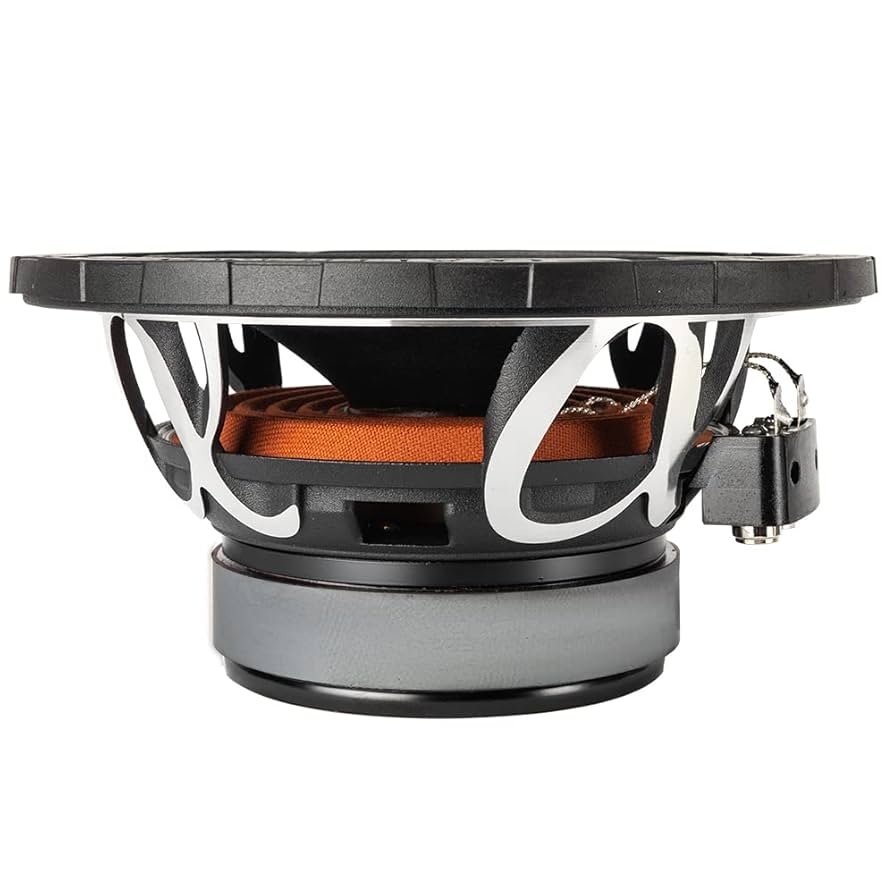 Alphasonik dj speakers
Understanding the Design Purpose of PA Speakers
- PA (Public Address) speakers are primarily engineered for amplifying speech and live sound in large venues such as auditoriums, conference halls, and outdoor events, where clarity and volume are prioritized over sonic accuracy.
- These speakers are often built with durability and maximum sound projection in mind, using components optimized for even coverage over wide areas rather than precise frequency reproduction.
- Because of their emphasis on vocal intelligibility and high output, PA systems may lack the refined tweeters, balanced midrange drivers, and sophisticated crossovers found in high-fidelity audio systems designed specifically for music.
Frequency Response and Sound Accuracy Limitations
- PA speakers typically feature a frequency response that is broad enough to cover vocals and general music but often uneven or rolled off at the extreme highs and lows, missing subtle detail in instruments like cymbals, pianos, or deep basslines.
- Many PA systems do not achieve the flat frequency response that audiophiles and critical listeners require, meaning certain frequencies are exaggerated or attenuated, leading to a colored or inaccurate sound signature.
- Unlike studio monitors or high-end home audio speakers, PA speakers rarely undergo extensive acoustic tuning for neutral sound, making them less suitable for analytical or immersive music listening.
Practical Scenarios Where PA Speakers May Suffice
- In environments where music is played at background levels or alongside announcements—such as in restaurants, gyms, or retail spaces—PA speakers can deliver acceptable performance due to the non-critical listening context.
- For live band setups or DJs performing in clubs, PA systems are commonly used and can provide powerful and dynamic sound, especially when paired with external equalizers and signal processors to fine-tune audio output.
- With modern active PA systems featuring improved drivers and digital signal processing, some models come closer to audiophile-grade clarity, but they still generally fall short when compared to dedicated high-fidelity bookshelf or floor-standing speakers designed for studio or home use.
Frequently Asked Questions
Are PA speakers suitable for listening to music at home?
PA speakers can be used for home music listening, especially in larger rooms or open spaces. They are designed for clarity and volume, making them great for high-energy environments. However, they may lack the nuanced sound reproduction of dedicated home audio speakers. For casual listening, they work well, but audiophiles might prefer studio or hi-fi speakers for more detailed sound.
Can PA speakers deliver good sound quality for music playback?
Yes, PA speakers can deliver good sound quality for music, particularly in live or amplified settings. Modern PA systems offer balanced frequency response and powerful output. While they prioritize clarity and coverage over warmth, high-end models reproduce music accurately. They’re ideal for DJs, live events, or spaces needing wide sound distribution, but may not match the refined audio detail of specialized music speakers.
Do PA speakers work well for outdoor music events?
PA speakers are excellent for outdoor music events due to their high power handling and wide dispersion. They’re built to project sound clearly over long distances and in open areas. Their durability and weather resistance (in some models) make them ideal for festivals, concerts, or backyard parties. With proper setup, they ensure even sound coverage, making them a top choice for any outdoor audio needs.
Are PA speakers better than regular bookshelf speakers for music?
PA speakers and bookshelf speakers serve different purposes. PA speakers excel in volume, durability, and coverage, making them superior for large venues or live sound. Bookshelf speakers typically offer warmer, more detailed audio suited for intimate, high-fidelity listening. For home use, bookshelf speakers are often better for music appreciation, while PA speakers are more practical for performances or loud environments.
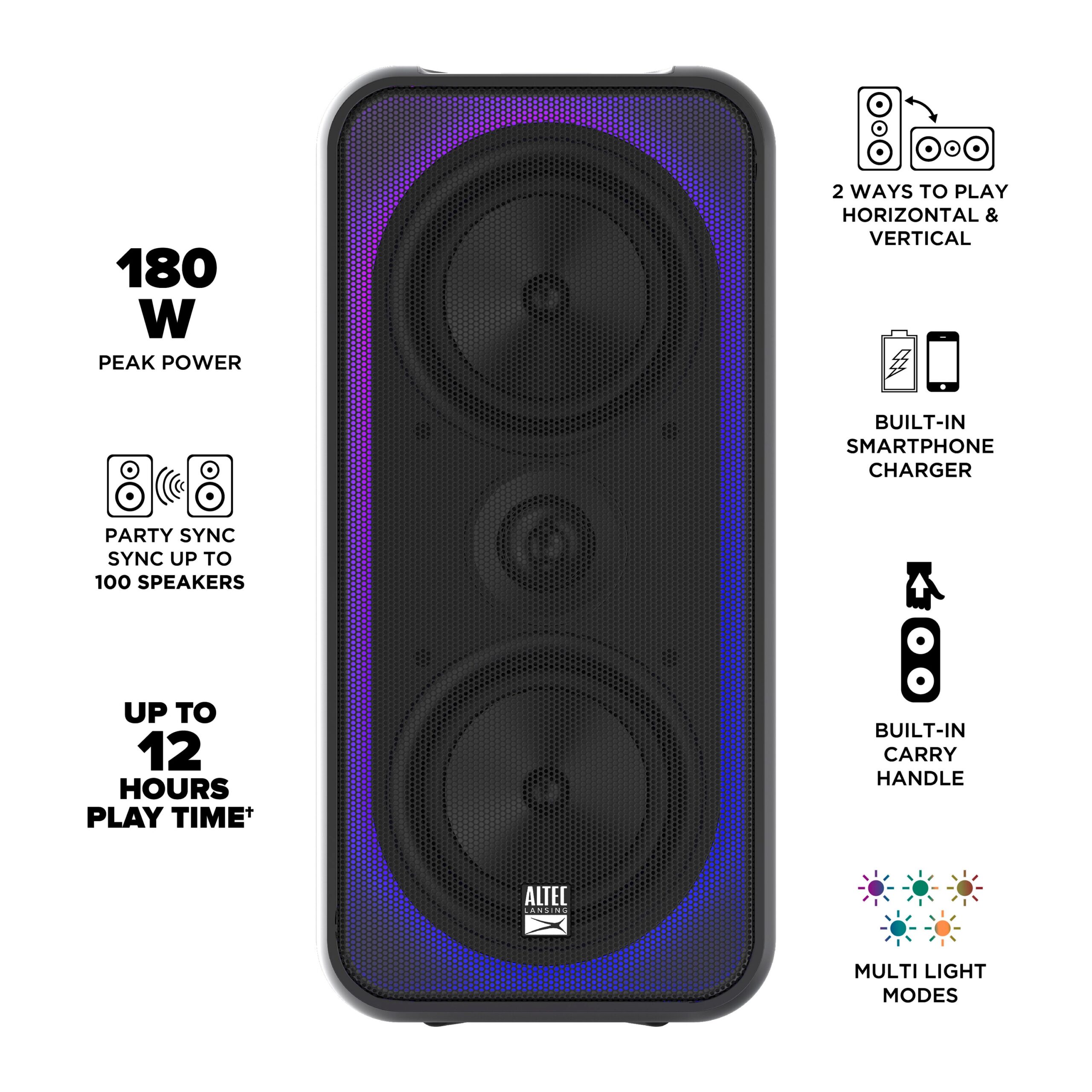 Altec lansing dj speakers
Leave a Reply