
Audio Equalizer And Amplifier

An audio equalizer and amplifier play crucial roles in shaping and enhancing sound quality across various listening environments. While an equalizer allows precise control over specific frequency bands, enabling users to tailor audio responses to personal preferences or room acoustics, an amplifier boosts the audio signal to drive speakers effectively.
Together, they form a powerful combination that can significantly improve clarity, depth, and overall listening experience. Whether used in home theaters, car audio systems, or professional studios, understanding how these components interact is essential for achieving optimal sound reproduction. This article explores their functions, benefits, and integration in modern audio setups.
Understanding the Role of Audio Equalizer and Amplifier in Sound Enhancement
Audio quality is a critical factor in both consumer and professional audio systems, and two key components that significantly influence sound output are the audio equalizer and the amplifier. An equalizer allows users to adjust the volume of specific frequency bands, enabling customization of the sound profile to suit personal preferences or compensate for room acoustics.
 Commercial Speaker Installation
It operates by boosting or attenuating particular frequencies such as bass, midrange, and treble. On the other hand, an amplifier's primary function is to increase the power of an audio signal so that it can effectively drive speakers or headphones without distortion.
When used together, these devices contribute to a more balanced, clear, and dynamic listening experience. Whether in a home theater, car audio system, or professional studio, integrating an equalizer with an amplifier ensures optimal sound reproduction across various environments and devices.
What Is an Audio Equalizer and How Does It Work?
An audio equalizer is an electronic device or software tool designed to adjust the frequency response of an audio system.
It works by dividing the audio spectrum into multiple frequency bands, each of which can be independently increased or decreased in volume. For example, reducing the low frequencies can minimize muddiness, while boosting high frequencies can enhance clarity and detail in vocals and instruments.
 Do Speaker Pa Installations Come With Warranties
Equalizers come in various forms such as graphic equalizers, which feature sliders for each frequency band, and parametric equalizers, which offer more precise control over the center frequency, bandwidth, and gain. They are commonly used to correct acoustic imbalances in a room, tailor sound to listener preferences, or prepare audio signals in music production and live sound engineering.
The Function and Importance of an Audio Amplifier
An audio amplifier is a device that boosts the low-power audio signal from a source—such as a smartphone, CD player, or mixer—into a stronger signal capable of driving loudspeakers or headphones. The amplifier ensures that the sound output is loud enough to be clearly heard while maintaining signal fidelity and minimizing distortion.
Amplifiers are categorized into different classes—like Class A, Class AB, and Class D—each offering different trade-offs in terms of efficiency, heat dissipation, and sound quality.
A high-quality amplifier is essential for preserving the integrity of the original sound, especially in high-fidelity audio systems. Without adequate amplification, even the best speakers cannot perform to their full potential, making amplifiers a vital component in any audio setup.
 Speaker Installation In Home
How Equalizers and Amplifiers Work Together for Optimal Sound
When integrated properly, an equalizer and an amplifier create a synergistic relationship that significantly enhances audio performance. The equalizer shapes the tonal balance of the audio signal before it reaches the amplifier, allowing fine-tuning of frequencies to suit the listening environment or personal taste.
The amplifier then takes this optimized signal and provides the necessary power to drive the output devices effectively. For instance, in a live sound setup, an engineer may use an equalizer to reduce problematic frequencies that cause feedback, and the amplifier ensures those corrected signals are projected at sufficient volume across the venue.
This combination allows for greater control, clarity, and loudness in sound reproduction, making it indispensable in applications ranging from home entertainment systems to concert audio setups.
| Feature | Audio Equalizer | Audio Amplifier |
|---|---|---|
| Primary Function | Adjusts frequency balance by boosting or cutting specific bands like bass and treble | Increases the power of the audio signal to drive speakers |
| Common Types | Graphic, Parametric, Shelving equalizers | Class A, AB, D amplifiers |
| Key Benefit | Improves sound clarity and tonal customization | Ensures louder, distortion-free output |
| Typical Use Cases | Studio mixing, car audio, room acoustics correction | Home theaters, live sound, headphone amplification |
Comprehensive Guide to Audio Equalizers and Amplifiers: Functionality and Setup
Can you connect an audio equalizer to an amplifier for better sound control?
Yes, you can connect an audio equalizer to an amplifier for better sound control. Inserting an equalizer between your audio source and your amplifier allows you to adjust the frequency response of the audio signal before it reaches the amplifier.
 Speaker Installers Near Me
This means you can boost or cut specific frequency ranges—such as bass, midrange, or treble—tailoring the sound to your preferences or to compensate for room acoustics.
Most amplifiers feature preamp outputs and line-level inputs, or pass-through connections (often labeled Tape, Pre Out, or Processor Loop), which make it simple to insert an equalizer into the signal chain. When properly connected, the equalizer gives you precise tonal control, improving overall sound clarity, balance, and listening experience without overdriving the amplifier.
How to Connect an Equalizer to an Amplifier
- Identify the appropriate connections on both your amplifier and equalizer. Most amplifiers have a “Tape Monitor” loop or “Processor Out/In” jacks, which are line-level connections ideal for inserting external processing equipment.
- Connect the “Preamp Out” or “Tape Out” from your amplifier to the input of the equalizer using RCA cables. This sends the unamplified signal to the equalizer for processing.
- Then, connect the output of the equalizer to the “Tape In” or “Processor In” on the amplifier. Once connected, enable the tape loop or processor loop in your amplifier’s settings to route the signal through the equalizer, allowing processed audio to be amplified.
Benefits of Using an Equalizer with an Amplifier
- Improved sound customization allows you to adapt the audio output to your personal preferences, such as enhancing bass for music or reducing shrill highs for more comfortable listening.
- Room acoustic compensation is one of the key advantages—an equalizer can correct for sound reflections, standing waves, or furniture absorption that distort frequency balance in your listening space.
- Protection of speakers and amplifier can also result from proper equalization, as reducing problematic frequencies may prevent distortion and minimize strain on your system during high-volume playback.
Types of Equalizers Compatible with Amplifiers
- Graphic equalizers are the most common and user-friendly, offering sliders for fixed frequency bands (e.g., 10-band or 31-band). They are ideal for fine-tuning room response and are widely used in home audio systems.
- Parametric equalizers provide more precise control, allowing you to adjust the center frequency, bandwidth (Q factor), and gain of each band. These are often preferred in professional or critical listening environments.
- Digital or software-based equalizers integrate with modern AV receivers or external DACs and offer programmable presets, real-time analysis, and room correction features through accompanying apps or microphones.
Can an audio equalizer and amplifier together enhance sound quality?
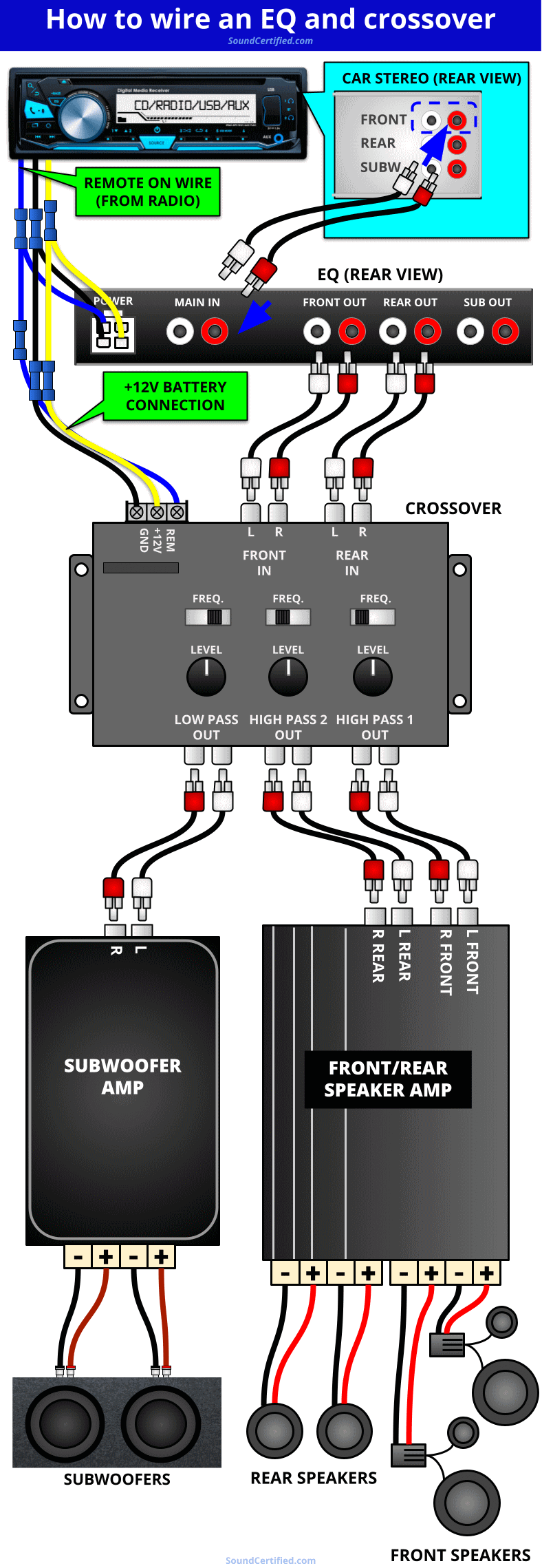
Yes, an audio equalizer and amplifier used together can enhance sound quality by combining their distinct functions to optimize audio output.
 Speaker System Installation
The amplifier increases the power of the audio signal so that speakers can produce louder and clearer sound without distortion, while the equalizer allows fine-tuning of specific frequency bands—such as bass, midrange, and treble—to correct imbalances, reduce unwanted resonances, or tailor the sound to personal preferences or room acoustics. When properly configured, this combination results in a more accurate, dynamic, and immersive listening experience.
How an Amplifier Contributes to Sound Quality
- An amplifier boosts the line-level audio signal from a source device to a level sufficient to drive speakers efficiently, ensuring that the full potential of the speaker system is realized without signal loss or distortion.
- High-quality amplifiers maintain signal integrity by minimizing noise, interference, and harmonic distortion, which leads to cleaner sound reproduction even at higher volumes.
- Some amplifiers include built-in protection circuits that prevent damage from overheating or overloading, preserving both the amplifier and connected speakers, thus contributing to long-term sound consistency.
The Role of an Equalizer in Sound Enhancement
- An equalizer allows users to adjust the volume of specific frequency ranges, enabling correction of sonic flaws in recordings, speaker systems, or listening environments—for example, reducing boomy bass caused by room acoustics.
- Graphic and parametric equalizers offer precision control over frequencies, helping to isolate and attenuate problem areas or enhance clarity in vocals and instruments.
- When calibrated with measurement tools such as a real-time analyzer, an equalizer can create a more neutral frequency response, bringing the sound closer to the original audio intent.
Synergy Between Equalizers and Amplifiers
- When placed in the signal chain before the amplifier, an equalizer shapes the audio signal so that the amplifier reproduces an already optimized sound, improving overall fidelity and dynamic expression.
- Matching the equalizer’s output with an amplifier’s input sensitivity ensures optimal headroom and avoids clipping or signal degradation caused by mismatched signal levels.
- Together, they allow for system customization—for instance, boosting low frequencies for richer bass in home theater setups while the amplifier supplies the extra power needed for deeper, impactful sound without strain.
Can an audio equalizer and amplifier enhance sound quality?
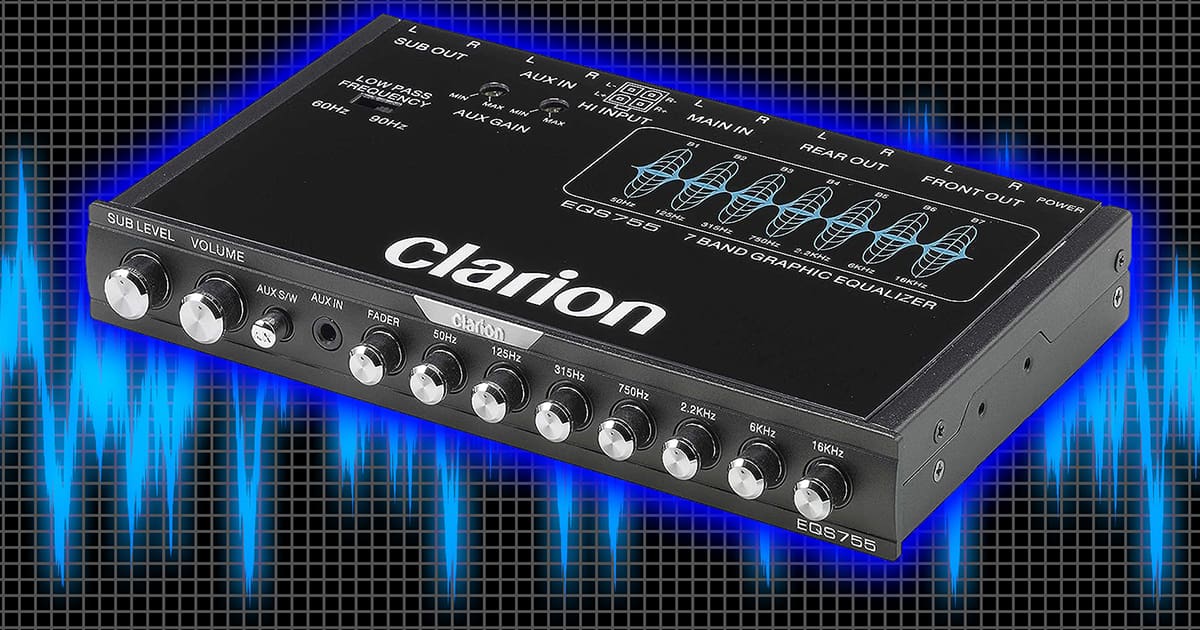
Yes, an audio equalizer and amplifier can significantly enhance sound quality when used appropriately. An equalizer allows users to adjust the balance of different frequency bands—such as bass, midrange, and treble—providing greater control over the tonal characteristics of audio output.
This fine-tuning helps compensate for deficiencies in audio sources or speakers, corrects room acoustics, and tailors the listening experience to personal preferences or genre-specific qualities.
 Speaker Wire Installation
An amplifier, on the other hand, increases the power of the audio signal, ensuring that speakers or headphones receive sufficient energy to perform optimally, especially at higher volumes or with demanding audio content. When paired correctly, a quality amplifier and a well-adjusted equalizer work together to deliver clearer, more dynamic, and more accurate sound reproduction.
How an Equalizer Improves Audio Clarity and Balance
- An equalizer enhances audio clarity by allowing the adjustment of specific frequency ranges, making it easier to emphasize or reduce certain sounds—such as boosting bass for richer music or reducing shrill treble frequencies in overly bright recordings.
- By compensating for the acoustic limitations of a listening environment—like excessive echo in a large room or muffled sound in a small, carpeted space—an equalizer helps balance the audio output for a more natural listening experience.
- Additionally, equalizers can correct for the inherent frequency response flaws in consumer-grade speakers or headphones, allowing listeners to achieve a more accurate or preferred sound signature across different audio content.
The Role of an Amplifier in Audio Signal Integrity
- An amplifier ensures that audio signals are delivered to speakers or headphones with enough power to operate efficiently, especially in systems with high-impedance headphones or large speaker setups that require more drive.
- Quality amplifiers preserve the integrity of the original signal by minimizing distortion, noise, and signal degradation, which is particularly important when playing music at higher volumes or with high dynamic range content.
- Furthermore, amplifiers often include features like impedance matching and low output impedance, which improve control over speaker drivers, resulting in tighter bass, improved detail, and better overall sound coherence.
Synergy Between Equalizers and Amplifiers for Optimal Sound
- When used in combination, an equalizer and amplifier can complement each other: the equalizer shapes the tonal balance while the amplifier delivers sufficient clean power to reproduce those adjustments accurately.
- For instance, if an equalizer boosts low frequencies, a capable amplifier ensures that the extra bass doesn't result in distortion or clipping by providing the necessary current and voltage to the speakers.
- This synergy allows audiophiles and casual listeners alike to tailor their sound experience with confidence, knowing that both tonal customization and signal strength are being managed effectively within the audio chain.
Frequently Asked Questions
What is an Audio Equalizer and Amplifier?
An audio equalizer and amplifier is a device or software that adjusts the balance of audio frequencies and increases sound volume. The equalizer lets you boost or reduce specific frequency ranges like bass, midrange, and treble, enhancing sound quality based on preference or environment. The amplifier boosts the audio signal to drive speakers or headphones effectively, ensuring clearer, louder sound without distortion.
How does an equalizer improve sound quality?
An equalizer improves sound quality by allowing precise control over different frequency bands. You can reduce frequencies that cause distortion or boost ones that are too soft, tailoring audio output to your preferences or room acoustics.
This customization helps eliminate muffled sounds, enhances clarity, and balances audio across various devices, resulting in a richer, more immersive listening experience, especially for music, movies, or voice recordings.
Can I use an Audio Equalizer and Amplifier on my smartphone?
Yes, you can use an audio equalizer and amplifier on your smartphone through dedicated apps available on app stores. These apps adjust your device’s audio output in real time, letting you customize sound profiles and boost volume safely.
Some smartphones have built-in equalizer settings. For best results, pair with quality headphones or external speakers to fully experience enhanced audio performance without overloading the phone’s internal amplifier.
Does an amplifier always improve audio performance?
An amplifier improves audio performance only if paired with compatible speakers or headphones that require more power than your current device provides.
If your audio system already receives sufficient power, an additional amplifier may not make a noticeable difference and could cause distortion if overdriven. Choosing the right amplifier matched to your setup ensures cleaner, louder sound and better dynamic range without compromising audio quality or hardware safety.
Leave a Reply