
Speakers dj setup

A high-performance DJ setup relies heavily on the quality and configuration of its speakers, which are responsible for delivering powerful, accurate sound to energize any crowd.
Whether in a club, festival, or mobile setup, DJ speaker systems must handle dynamic ranges, deep bass, and high volumes without distortion. Active speakers with built-in amplifiers offer convenience and optimized performance, while passive setups provide customization for advanced users.
Placement, coverage patterns, and power output are crucial factors in ensuring even sound distribution. Understanding speaker specs like frequency response, sensitivity, and wattage helps DJs choose the right gear for their environment and audience size.
 Best house party dj speakers
Essential Components of a Professional DJ Speaker Setup
A high-quality DJ speaker setup is crucial for delivering powerful, clear, and immersive sound in any performance environment, whether it's a club, festival, or private event. The foundation of such a setup includes main speakers (mains), subwoofers, monitor speakers, and appropriate amplification and signal processing equipment.
Mains are responsible for reproducing mid and high frequencies across the audience area, while subwoofers handle the low-end bass that gives music its physical impact. Monitor speakers allow DJs to hear their mix clearly from the booth, which is essential for accurate cueing and beatmatching.
Proper placement, such as positioning subs on the ground and mains elevated, ensures even sound distribution and minimizes phase cancellation. Additionally, using digital signal processors (DSPs) helps fine-tune the system for the specific acoustics of a venue, resulting in balanced frequency response and reduced distortion.
Choosing the Right Speakers for Your DJ Setup
When selecting speakers for a DJ setup, it's important to consider both the venue size and the type of music being played. For small clubs or mobile DJ gigs, active (powered) speakers are often preferred because they have built-in amplifiers, reducing the need for additional equipment and simplifying setup.
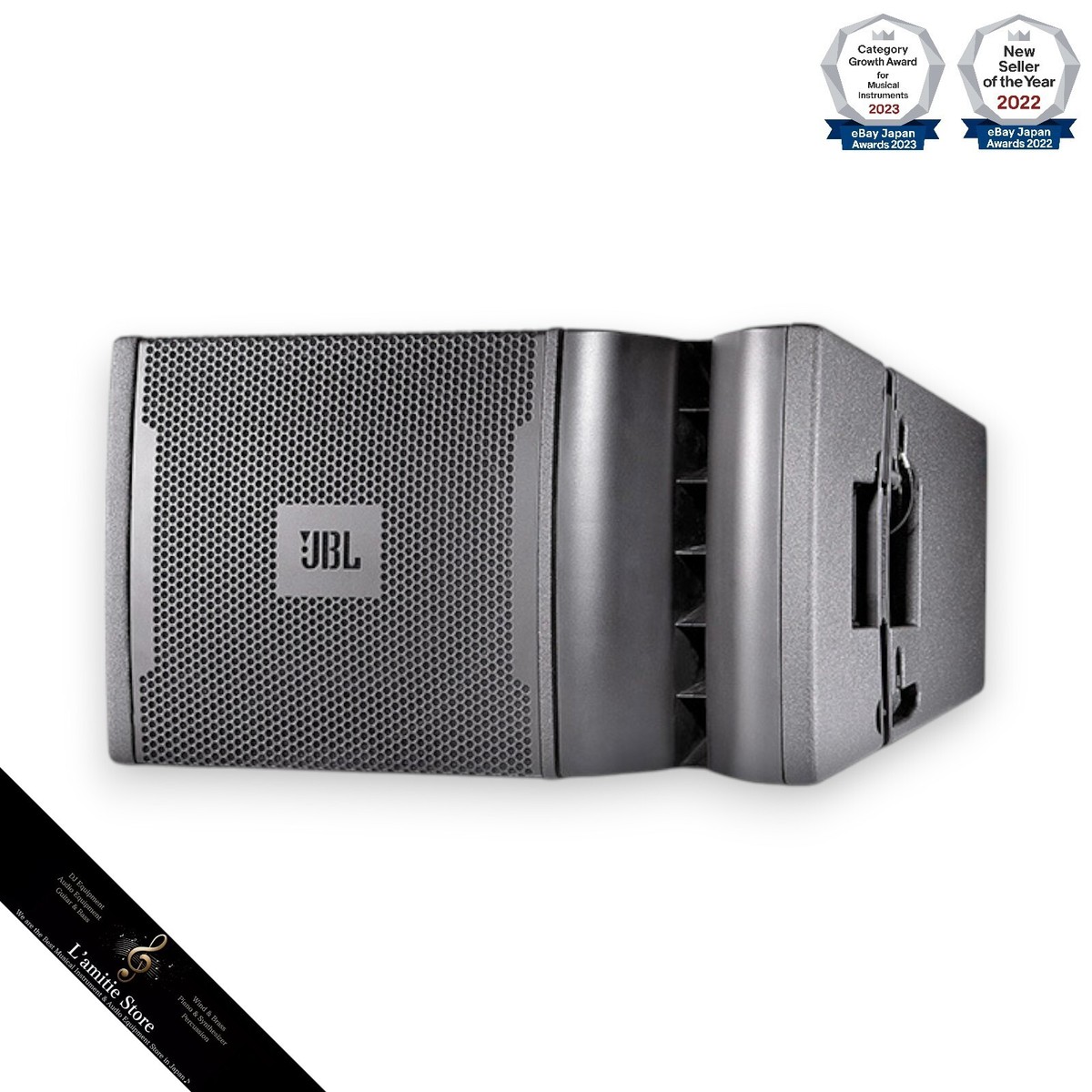 Best jbl dj speakers
In contrast, larger events may require passive speakers paired with external amplifiers for greater control and power output. Look for speakers with a wide frequency response range (typically 50Hz–18kHz or better) and high sound pressure level (SPL) ratings to ensure clarity and volume.
Two-way or three-way speaker designs, which separate frequencies using internal crossovers, provide superior sound reproduction by assigning specific drivers (tweeters, mids, woofers) to different frequency bands. Always prioritize durability and portability, especially for mobile DJs who transport their gear frequently.
Optimizing Subwoofer Integration in a DJ Sound System
Integrating subwoofers effectively into a DJ speaker setup dramatically enhances the low-frequency experience, which is essential for genres like house, techno, and hip-hop.
To achieve seamless blending between subs and main speakers, proper crossover settings are vital—typically set between 80Hz and 120Hz depending on the speaker models and room acoustics. Techniques such as stacking subwoofers or arranging them in a cardioid configuration can help focus bass energy toward the audience and reduce sound spill behind the stage.
 Best monitor speakers dj
Time alignment and phase adjustment, often managed through a DSP, ensure that bass frequencies arrive in sync with mid and high frequencies from the mains. Additionally, placing subwoofers on the ground or using horn-loaded designs increases directional control and efficiency, preventing the bass from becoming muddy or uneven across the venue.
Signal Flow and Audio Processing in Professional DJ Setups
Understanding signal flow is essential to building a reliable and high-performing DJ speaker setup. The audio path typically starts from the DJ controller or mixer, which sends a line-level signal to a crossover or DSP that splits the signal into appropriate frequency bands for mains and subwoofers.
From there, the signal is routed to amplifiers (if using passive speakers) or directly to powered speakers. A DSP allows for precise adjustments such as equalization, limiting, delay (time alignment), and level matching, which protect the speakers and optimize sound quality. Using balanced connections (XLR or TRS) minimizes interference over long cable runs. The following table outlines common components and their roles in a professional DJ audio chain:
| Component | Function | Key Features |
|---|---|---|
| DJ Mixer / Controller | Generates and blends audio signals | EQ controls, channel faders, effects, booth/master outputs |
| Digital Signal Processor (DSP) | Manages crossover, EQ, limiting, and delay | Configurable filters, speaker protection, system tuning |
| Power Amplifier | Boosts signal for passive speakers | Wattage matching, impedance compatibility, cooling systems |
| Main Speakers | Reproduce mid and high frequencies | 2-way/3-way design, high SPL, durable enclosures |
| Subwoofers | Deliver low-frequency bass response | Bass reflex or horn-loaded, cardioid options, high displacement |
Complete Guide to Setting Up DJ Speakers for Optimal Sound Performance
What speakers are essential for a professional DJ setup?

 Best monitor speakers for bedroom dj
Active vs. Passive DJ Speakers: Which Is Right for a Professional Setup?
When building a professional DJ setup, one of the first decisions is choosing between active (powered) and passive (unpowered) speakers.
Active speakers come with built-in amplifiers, making them more convenient and often providing better amplifier-speaker synergy. Passive speakers require external amplifiers, which adds complexity but offers more flexibility in component selection.
For mobile DJs or those who value quick setup, active speakers are generally preferred. Studio environments or large-scale installations may opt for passive systems to customize sound characteristics. Each type has its advantages depending on the scale and use case of the performance.
- Active speakers are plug-and-play, reducing the number of components and setup time.
- Passive speakers allow greater control over sound by pairing with high-end amplifiers and signal processors.
- Professional DJs often choose active monitors for live gigs due to their reliability and integrated design.
Key Features to Look for in Professional DJ Speakers
Selecting the right speakers involves evaluating several technical and practical features that affect performance in real-world scenarios.
 Bedroom dj speakers
Power output, frequency response, and driver size are crucial for ensuring clear, dynamic sound across genres and venues. Rugged construction and portability are also essential for DJs who travel frequently.
Modern professional speakers often include digital signal processing (DSP), wireless connectivity, and onboard protection circuits to prevent damage during long sets. Additionally, the presence of multiple input options (XLR, TRS, RCA) ensures compatibility with various mixers and audio sources.
- Look for a frequency response range of at least 50Hz–20kHz to accurately reproduce bass and high-end details.
- Select speakers with sufficient power handling (e.g., 1000W peak or higher) to fill large venues without distortion.
- Prioritize lightweight, durable materials like ABS plastic or aircraft-grade aluminum for long-term reliability.
Top Speaker Brands Trusted by Professional DJs
In the professional DJ world, certain brands have earned reputations for delivering consistent, high-fidelity sound and durability. Companies like JBL, Funktion-One, QSC, and Martin Audio are often seen in clubs, festivals, and touring setups.
These manufacturers invest heavily in research and development to meet the demands of high-volume, high-stakes environments. DJs often rely on models such as the JBL EON family or Funktion-One F-Series for their clarity, power, and directional control. Choosing a speaker from a reputable brand ensures access to technical support, firmware updates, and reliable performance under pressure.
 Behringer dj speakers
- JBL Professional speakers are widely used for their balanced sound and reliability across diverse musical genres.
- Funktion-One is favored in high-end clubs and festivals for their precision engineering and immersive sound dispersion.
- QSC K Series offers a combination of power, clarity, and digital networking capabilities ideal for touring professionals.
Is $100 per hour a competitive rate for a DJ with a professional speaker setup?
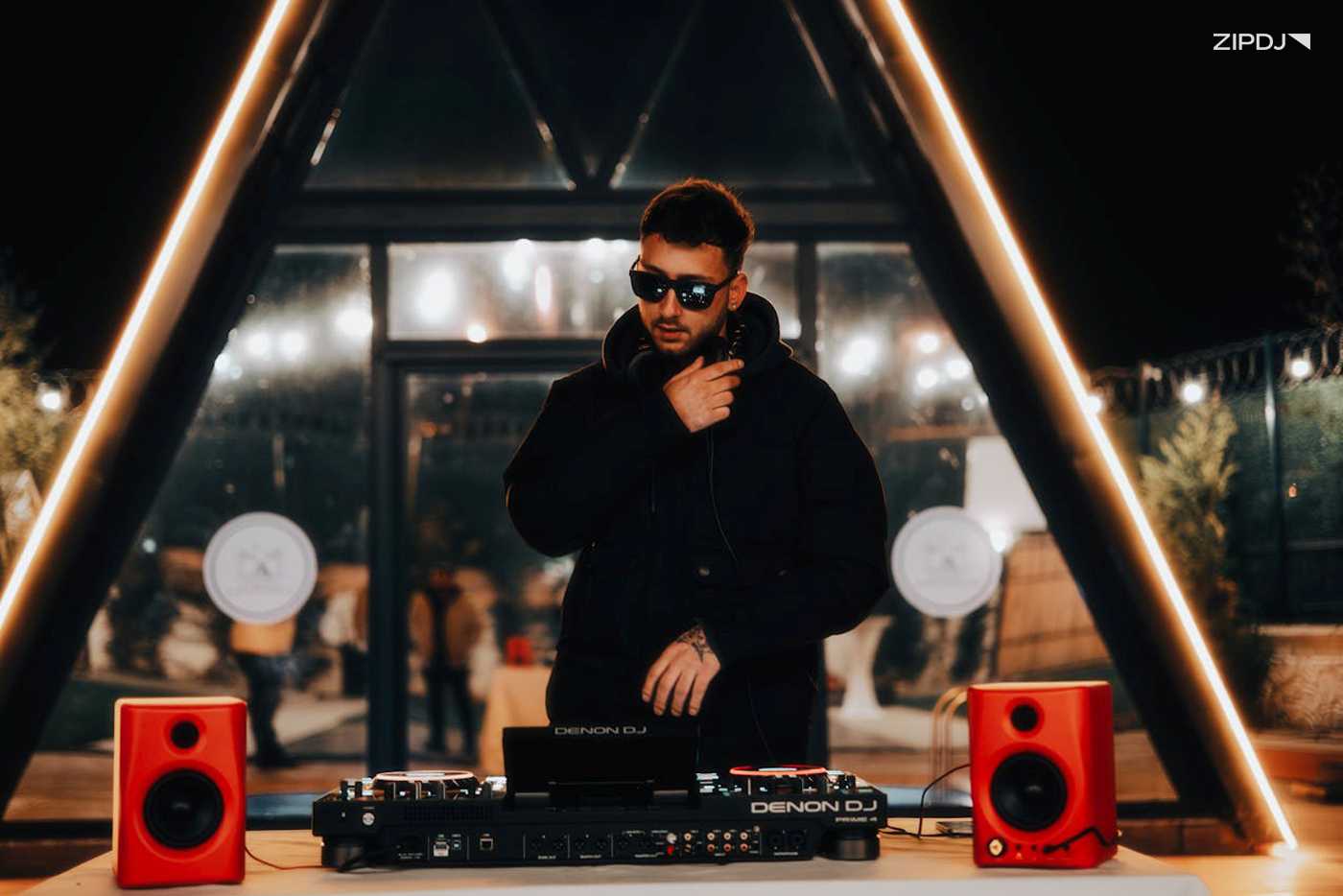
Whether $100 per hour is a competitive rate for a DJ with a professional speaker setup depends on several factors such as geographic location, event type, experience level, and the full scope of services offered.
In many metropolitan areas in the United States, such as New York, Los Angeles, or Miami, $100 per hour is not only competitive but is actually on the higher end of the market for standard events like private parties, school dances, or small weddings.
However, in smaller towns or regions with a lower cost of living, this rate may be considered above average. A professional speaker setup adds significant value, as it includes reliable sound equipment that meets or exceeds venue requirements, reduces audio issues during the event, and often includes lighting or wireless microphone systems.
 Best 12 inch dj speakers
Clients often weigh the DJ’s technical ability, music selection, crowd engagement, and overall professionalism alongside the equipment provided. At this rate, clients would reasonably expect a full-service experience, including pre-event consultations, song planning, seamless transitions, and perhaps even MC duties. DJs charging $100 per hour typically have years of experience, strong reviews, and a polished brand presence.
Factors Influencing DJ Rates in Different Markets
- Geographic location plays a major role in determining whether $100 per hour is competitive. In high-cost urban centers, DJs with premium gear and proven track records often charge $100 to $200+ per hour, making $100 a reasonable but not excessive rate. In contrast, rural areas may see average rates between $50 and $75 per hour, making $100 appear high unless justified by exceptional service or equipment.
- Type of event also affects pricing. Corporate events, luxury weddings, and large-scale parties typically justify higher rates due to longer hours, complex setups, and higher client expectations. For such events, $100 per hour may even be considered a fair minimum given the level of preparation and reliability required.
- Local competition and supply of professional DJs shape market standards. In cities saturated with DJs, rates may stay competitive, pushing professionals to offer more value to justify higher prices. Conversely, in areas with few high-quality options, a DJ with professional gear can command $100 per hour more easily, especially if demand is high.
What Justifies a $100 Per Hour DJ Service?
- A professional speaker setup is a major justification for premium pricing. High-quality systems from brands like JBL, QSC, or Electro-Voice ensure clear, powerful sound that can cover large venues without distortion. These systems often require substantial investment, ongoing maintenance, and transportation logistics, all factored into the hourly rate.
- Experience and reputation are key. A DJ with years of performances, positive client testimonials, social media presence, and a reliable track record can charge more because they offer predictable results and reduced risk for the client. Clients pay not just for equipment, but for expertise in reading a crowd and managing events smoothly.
- Additional services that go beyond simple music playback strengthen the value proposition. This includes providing lighting (e.g., uplighting, dance floor effects), MC services, custom playlists, event coordination, and using professional software like Serato or Pioneer for seamless mixing. Bundling these services makes $100 per hour competitive, especially if the alternative is hiring multiple vendors.
Comparing $100 Per Hour to Industry Standards
- National averages for professional DJs typically range from $75 to $150 per hour, depending on expertise and equipment. At $100 per hour, a DJ falls comfortably within the mid-to-upper tier, suggesting professional quality without reaching luxury-tier pricing, which can exceed $200 per hour in exclusive markets.
- Industry surveys and platforms like The Knot or Thumbtack show that wedding DJs in major cities often charge flat rates between $1,500 and $3,000 for 4–6 hour events. When broken down, this equals roughly $250 to $500 per hour, but these often include multi-DJ teams, premium equipment, and extensive planning. A solo DJ charging $100 per hour may be offering a more streamlined service but still aligns with realistic market expectations for mid-tier quality.
- When compared to mobile DJ franchises or independent operators, $100 per hour positions the DJ as a high-value independent provider. Many franchise-affiliated DJs charge inflated rates due to brand overhead, whereas independent professionals at $100 per hour can offer personalized service and competitive pricing, making the rate attractive to cost-conscious clients seeking quality.
Do DJ speaker setups require an external amplifier?

Whether a DJ speaker setup requires an external amplifier depends on the type of speakers being used. Active (powered) DJ speakers have built-in amplifiers, so they do not need an external amplifier.
These speakers only require a power source and an audio signal from a DJ controller, mixer, or media player. Passive (unpowered) speakers, on the other hand, lack internal amplification and must be connected to an external amplifier to function. The amplifier boosts the audio signal to a level that can drive the speakers effectively.
 Best 15 dj speakers
Therefore, if you are using passive speakers in your DJ setup, an external amplifier is essential. Choosing between active and passive systems often comes down to convenience, cost, scalability, and sound requirements for your specific environment.
Types of DJ Speakers: Active vs Passive
- Active DJ speakers, also known as powered speakers, include built-in amplifiers specifically matched to the speaker drivers, providing optimized performance and eliminating the need for external amplification.
- Passive DJ speakers do not have internal amplifiers and rely entirely on an external amplifier to produce sound, which gives users more control over system tuning but adds complexity to the setup.
- Active speakers typically offer plug-and-play convenience, making them ideal for mobile DJs and smaller venues, while passive systems are often preferred in large-scale installations where power and configuration flexibility are critical.
When to Use an External Amplifier
- An external amplifier is necessary when working with passive speakers, as these speakers cannot produce sound without a power source to amplify the incoming audio signal.
- Even with active speakers, an external amplifier may be used in rare cases for signal boosting over long cable runs or specialized system configurations, though this is not typical in standard DJ setups.
- In larger events or permanent installations, using external amplifiers with passive speaker arrays allows for greater control over power distribution, system matching, and sound coverage across a venue.
Benefits of Built-In Amplification in Active Speakers
- Active speakers integrate amplifiers directly into the speaker cabinet, which ensures ideal impedance and power matching between the amp and drivers, improving sound quality and efficiency.
- These speakers reduce the number of components needed for a DJ setup, minimizing cable clutter and setup time—ideal for DJs who perform at various locations and require fast, reliable system deployment.
- Many active speakers come with additional features like onboard DSP (Digital Signal Processing), crossover networks, and input options (XLR, TRS, RCA), offering a more streamlined and professional audio solution without external gear.
Frequently Asked Questions
What equipment is essential for a DJ speaker setup?
A basic DJ speaker setup includes powered speakers, a DJ controller or mixer, speaker cables, and audio sources like a laptop or turntables.
Subwoofers enhance bass response, while monitor speakers help DJs hear their mix clearly. Ensure all components are compatible and use balanced cables to reduce noise. Stands are recommended to position speakers at ear level for optimal sound distribution in your performance space.
How do I choose the right speakers for my DJ setup?
Choose DJ speakers based on power output (measured in watts), frequency response, and intended use (indoor vs. outdoor). Look for speakers with sufficient RMS power to match your venue size.
Portability matters for mobile DJs, so consider weight and built-in handles. Active (powered) speakers are convenient with built-in amplifiers. Test sound quality if possible, and prioritize durability and clear mid-range and high-frequency reproduction for accurate mixing.
Should I use active or passive speakers for my DJ setup?
Active (powered) speakers are generally preferred for DJ setups because they have built-in amplifiers, reducing the need for extra equipment and simplifying connections. They offer better impedance matching and are easier to set up.
Passive speakers require an external amplifier and are more complex to configure. For most mobile and home DJs, active speakers provide reliability, portability, and consistent sound quality, making them the practical choice for a professional-sounding setup.
How can I avoid feedback in my DJ speaker setup?
Position speakers in front of the DJ, facing the audience, and avoid pointing them toward microphones. Keep microphone levels moderate and use directional mics with cardioid polar patterns.
Equalize problem frequencies using a mixer’s EQ controls. Ensure all cables are in good condition and connections are secure. Using monitors at appropriate angles and maintaining distance between mics and speakers also significantly reduces the risk of feedback during performances.
Leave a Reply