
Studio Monitoring Headphone

Studio monitoring headphones are essential tools for audio professionals, offering accurate sound reproduction critical for recording, mixing, and mastering.
Unlike consumer headphones, which often emphasize bass or treble for entertainment, studio models prioritize flat frequency response and minimal sound coloration. This ensures engineers and producers hear audio as it truly is, enabling precise decision-making.
Designed for extended use, many feature comfortable earcups and durable construction. With advancements in driver technology and acoustic design, modern studio headphones deliver exceptional clarity, isolation, and detail. Whether in professional studios or home setups, they remain indispensable for achieving high-quality audio results across music, film, and broadcast industries.
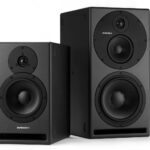 Studio Reference Monitors
The Role of Studio Monitoring Headphones in Professional Audio Production
Studio monitoring headphones are a crucial component in professional audio environments, offering precise sound reproduction that enables engineers, producers, and musicians to make accurate mixing and mastering decisions.
Unlike consumer headphones that often enhance certain frequencies for a more pleasing sound, studio monitoring headphones are designed to deliver a flat frequency response, ensuring that audio is heard without coloration. This neutrality allows for the detection of imperfections or imbalances in recordings, making them indispensable for critical listening tasks such as tracking, editing, and sound design.
Whether in a recording studio, broadcast facility, or on-location sessions, these headphones provide isolation and detail, allowing users to hear subtle nuances like reverb tails, panning effects, and background noise that might otherwise go unnoticed. Their open-back, closed-back, or semi-open-back designs cater to different monitoring needs, balancing soundstage accuracy with sound leakage control.
Key Features of High-Performance Studio Monitoring Headphones
High-performance studio monitoring headphones are engineered with specific technical attributes to ensure accuracy and comfort during extended use. One of the most important characteristics is a wide frequency response range, typically extending from 5 Hz to 40 kHz, allowing audio professionals to hear both deep bass and high-frequency details.
 Studio Tuned In-ear Monitors
Low distortion across all audio levels ensures that what is being monitored remains faithful to the original signal. Additionally, these headphones often feature large dynamic drivers, which provide better control over sound waves and improved transient response.
Comfort is also critical, so they usually include padded headbands, replaceable ear cushions made from memory foam, and durable construction from materials like metal and reinforced plastics. High-impedance models (e.g., 250Ω) are preferred in studios because they require amplification, which reduces noise and improves overall sound clarity, making them ideal for detailed audio work.
Differences Between Open-Back, Closed-Back, and Semi-Open-Back Designs
The design of studio monitoring headphones significantly influences their sound characteristics and use cases. Closed-back headphones are designed with sealed ear cups that prevent sound leakage and external noise intrusion, making them ideal for recording environments where mic bleed must be avoided.
They offer strong sound isolation and enhanced bass response, but their soundstage can feel confined. In contrast, open-back headphones feature perforated ear cups that allow air and sound to pass through, resulting in a more natural and spacious soundstage that closely resembles listening to studio monitors. However, they offer minimal isolation and are not suitable for tracking with microphones.
 Truth B2031a Studio Monitor
Semi-open-back models strike a balance between the two, providing partial isolation and improved soundstage, though they may still leak some audio. Each type serves different aspects of audio production, from tracking and mixing to critical listening and sound design.
Top Brands and Models in Studio Monitoring Headphones
Several manufacturers have established themselves as leaders in the studio monitoring headphone market due to their consistent audio quality and reliable build. Sony’s MDR-7506 has become a staple in broadcast and studio settings, prized for its durable design, clear midrange, and foldable structure.
Audio-Technica’s ATH-M50x is another industry favorite, known for its versatile sound signature, swiveling earcups, and detachable cables. On the higher end, Sennheiser HD 600 and HD 660S2 offer exceptional clarity and a wide soundstage, especially favored in mastering studios.
Beyerdynamic DT 770 Pro models are renowned for their precise bass response and comfort during long sessions, available in multiple impedance options. Meanwhile, AKG K712 Pro delivers detailed mids and highs, ideal for critical listening. These models are often chosen based on application, budget, and desired sonic profile.
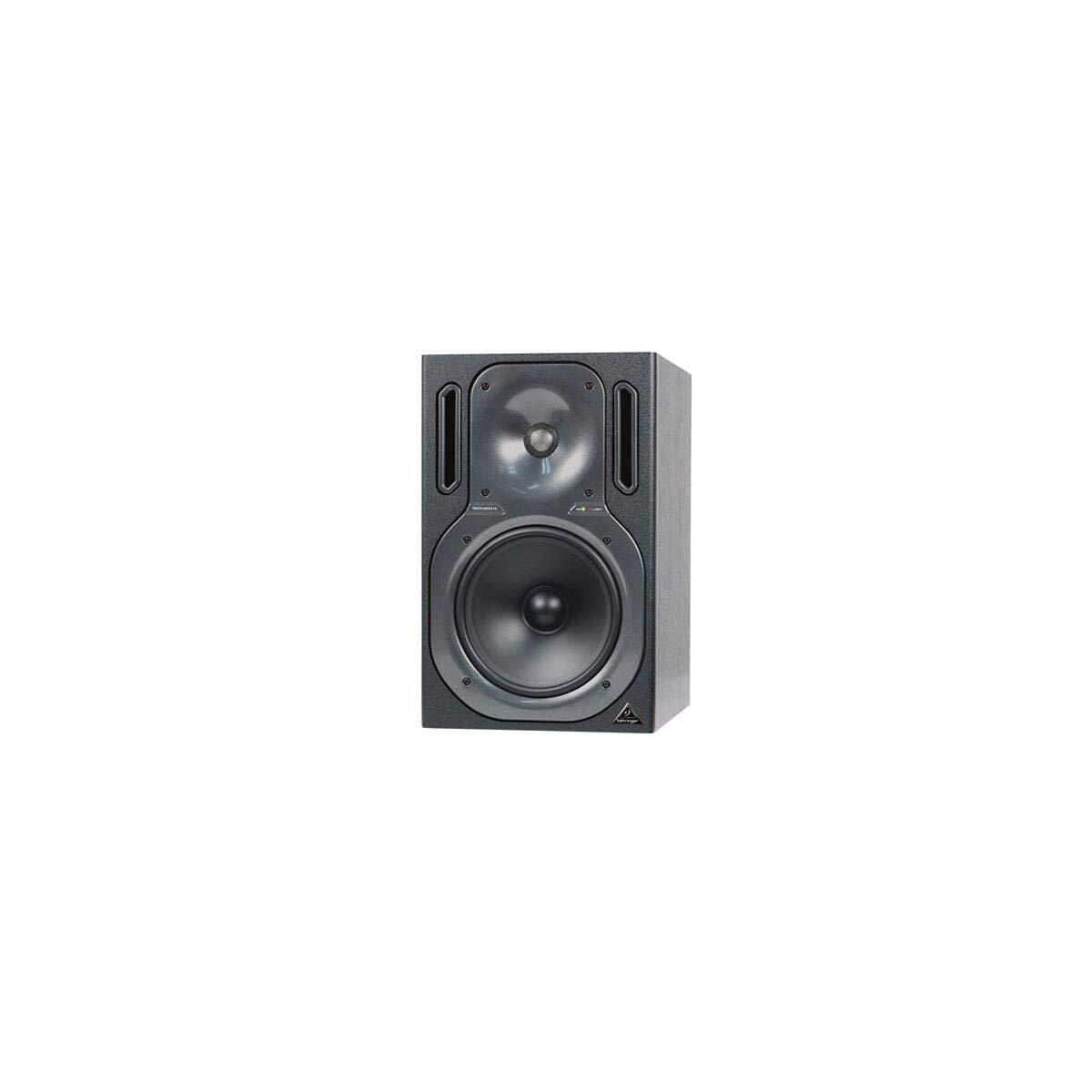 Truth B2031a Studio Monitors
| Headphone Model | Type | Impedance | Frequency Response | Key Features |
|---|---|---|---|---|
| Sony MDR-7506 | Closed-back | 63 Ω | 10 Hz – 20 kHz | Durable build, excellent portability, balanced sound for tracking |
| Audio-Technica ATH-M50x | Closed-back | 45 Ω | 15 Hz – 28 kHz | Detachable cables, accurate sound, swiveling earcups |
| Sennheiser HD 660S2 | Open-back | 150 Ω | 8 Hz – 38 kHz | Wide soundstage, reference-grade clarity, ideal for mastering |
| Beyerdynamic DT 770 Pro | Closed-back | 32 Ω / 80 Ω / 250 Ω | 5 Hz – 35 kHz | Strong bass isolation, plush ear pads, studio durability |
| AKG K712 Pro | Semi-open | 120 Ω | 10 Hz – 39.8 kHz | Exceptional midrange detail, comfortable for long sessions |
Frequently Asked Questions
What are studio monitoring headphones used for?
Studio monitoring headphones are designed for accurate audio reproduction, making them essential in music production, mixing, and mastering. Unlike regular headphones, they provide a flat frequency response, ensuring no sound enhancement or coloration. This allows audio engineers and producers to hear recordings exactly as they are, identifying flaws and making precise adjustments for professional-quality sound.
What makes studio headphones different from regular headphones?
Studio monitoring headphones prioritize sound accuracy over enhanced bass or treble, offering a neutral and balanced audio profile. They’re built for detailed listening, allowing professionals to detect subtle audio nuances. Regular headphones often boost certain frequencies for entertainment. Studio models also feature replaceable parts, open-back or closed-back designs, and superior comfort for long studio sessions.
Open-back vs. closed-back: which is better for studio monitoring?
Open-back headphones provide a natural, spacious sound with better stereo imaging but leak sound and offer no isolation—ideal for controlled studio environments. Closed-back headphones isolate external noise and prevent sound leakage, making them suitable for recording. The choice depends on the use: open-back for critical listening, closed-back for tracking or noisy environments.
Are expensive studio monitoring headphones worth the investment?
Higher-priced studio monitoring headphones often deliver superior sound accuracy, build quality, and comfort, which are crucial for professional work. While affordable models exist, premium headphones typically use better materials, drivers, and engineering for long-term durability and precision. For serious audio work, the investment ensures reliable performance and detailed sound reproduction, justifying the cost over time.
 Two Way Studio Monitor
Leave a Reply