
What Is Speaker Configuration

Speaker configuration refers to the arrangement and number of audio channels in a sound system, designed to deliver an immersive listening experience.
It plays a crucial role in both home entertainment and professional audio environments. Common configurations include stereo (2.0), surround sound (5.1), and advanced setups like 7.1 or even 9.1, each tailored for specific audio needs. The numbers represent speakers and subwoofers, indicating their placement and function.
Understanding speaker configuration helps optimize sound quality, ensuring accurate audio reproduction for music, movies, and gaming. Choosing the right setup depends on room size, content type, and listening preferences, making it essential for achieving balanced, spatial sound.
 Mi Smart Speaker Xiaomi Configurar
What Is Speaker Configuration
Speaker configuration refers to the arrangement and number of audio channels used in a sound system to deliver an immersive listening experience. It defines how audio signals are distributed among various speakers positioned around a room or listening space.
Common configurations range from simple stereo setups (2.0) to complex surround sound systems such as 5.1, 7.1, or even advanced formats like Dolby Atmos, which include height channels. Each number in a configuration—such as 5.1—represents the quantity of full-range speakers (5) and subwoofers (1), typically responsible for low-frequency effects (LFE).
Proper speaker configuration ensures accurate sound localization, balanced audio distribution, and enhanced realism, whether used in home theaters, music studios, or public venues. The selection of a configuration depends on room size, acoustic properties, listening preferences, and content type, such as movies, music, or gaming.
Common Speaker Configuration Formats
There are several standardized speaker configuration formats designed to meet different audio needs. The most basic is the 2.0 stereo setup, which uses two speakers (left and right) to create a balanced soundstage ideal for music and general listening. 2.1 systems add a subwoofer to enhance bass response.
 Onkyo Speaker Configuration Hz
For home theater applications, 5.1 surround sound is the most widely adopted format, consisting of five full-range speakers (front left, front right, center, surround left, and surround right) and one subwoofer. 7.1 systems expand on this by adding two additional side or rear surround speakers for more precise audio imaging.
Newer formats like 5.1.2, 7.1.4, or 9.1.6 incorporate overhead or upward-firing speakers to support object-based audio, as used in Dolby Atmos or DTS:X, enabling three-dimensional sound. Choosing the right format impacts clarity, immersion, and spatial accuracy in audio playback.
How Speaker Placement Affects Performance
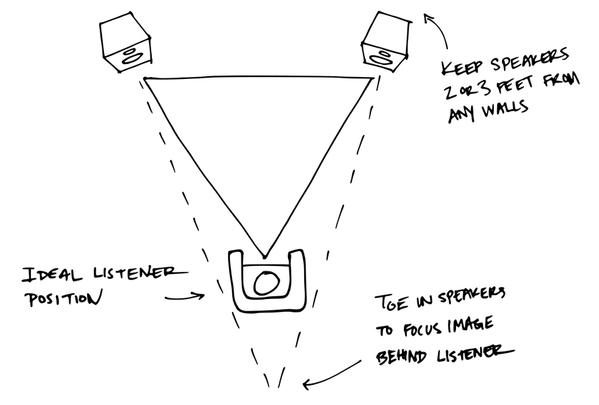
The physical placement of speakers plays a crucial role in the effectiveness of any speaker configuration. Incorrect positioning can lead to poor sound imaging, uneven frequency response, and phase cancellation, where sound waves interfere destructively.
In a 5.1 setup, the center channel should be directly above or below the screen to anchor dialogue to the visuals, while the front left and right speakers should form a 30-degree angle with the listener to create a stereo sweet spot. Surround speakers should be slightly behind the listener, angled toward the ears, to immerse them in ambient effects.
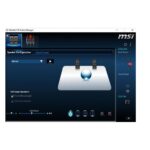 Realtek Hd Audio Manager 2.1 Speaker Configuration
For Atmos-enabled systems, ceiling-mounted or upward-firing speakers must aim sound toward reflective surfaces to simulate overhead audio. Room acoustics such as furniture, wall materials, and speaker distance also influence sound quality, making proper calibration essential for optimal performance.
Matching Speaker Configuration to Room and Use Case
Selecting the right speaker configuration requires evaluating both the room size and primary use case. A small apartment or desktop setup may perform best with a 2.1 or soundbar with virtual surround, offering space efficiency without sacrificing too much audio quality.
Medium-sized living rooms are well-suited for 5.1 systems, which provide true surround sound for movies and gaming. Larger rooms or dedicated home theaters may benefit from 7.1 or Atmos-enabled configurations, which increase spatial dimension and precision.
Additionally, acoustic treatment, such as rugs, curtains, or diffusers, helps minimize echoes and improves clarity. For professional audio production, near-field monitors in a 2.0 setup are preferred due to their flat frequency response. Ultimately, aligning the configuration with the environment and content type ensures a balanced, immersive, and accurate audio experience.
 Realtek Hd Audio Manager 5.1 Speaker Configuration
| Configuration | Speakers | Best Use Case | Key Features |
|---|---|---|---|
| 2.0 | Left, Right | Music, Desktop Audio | Stereo imaging, minimalist setup |
| 2.1 | Left, Right, Subwoofer | Bass-enhanced music/media | Improved low-frequency response |
| 5.1 | Front L/R, Center, Surround L/R, Subwoofer | Home Theater, Gaming | True surround sound, dialogue clarity |
| 7.1 | 5.1 + Two Rear/Side Surrounds | Large Rooms, Cinematic Experience | Enhanced spatial accuracy |
| 5.1.2 | 5.1 + Two Height Speakers | Immersive Media (Dolby Atmos) | Overhead effects, 3D audio |
Understanding Speaker Configuration: A Comprehensive Guide
What Is the Best Speaker Configuration for My Setup?
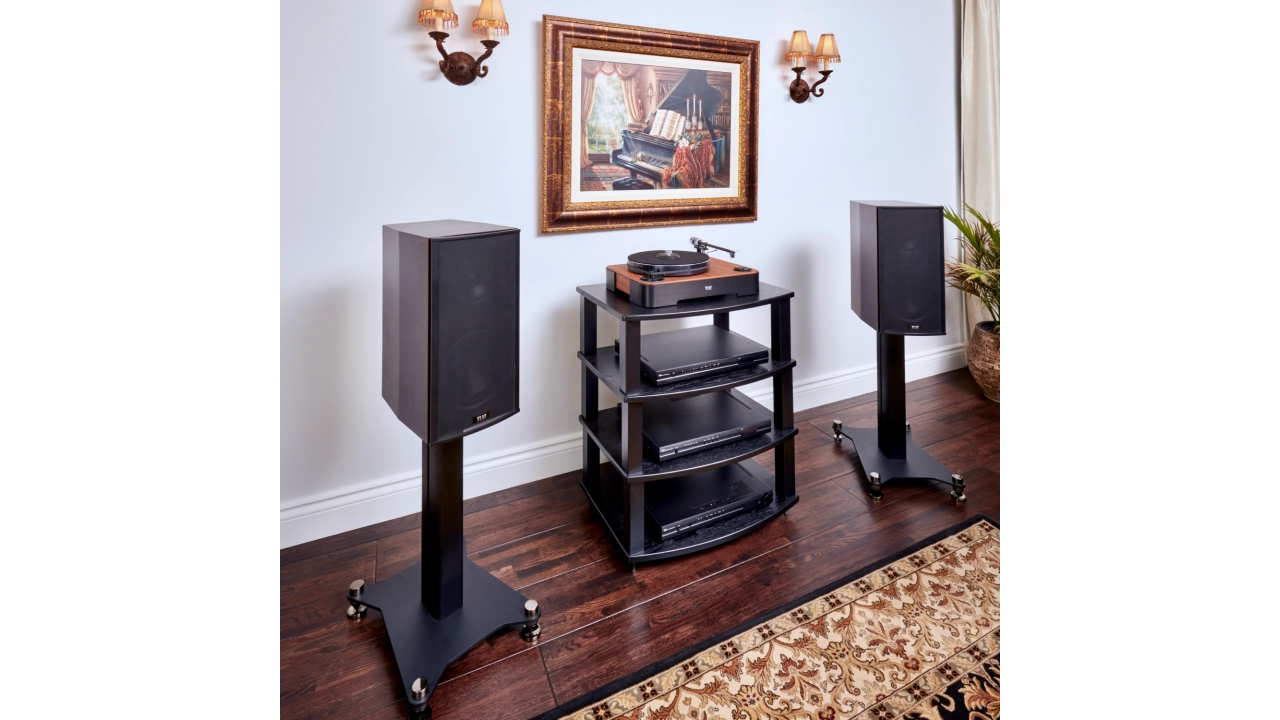
Determining the best speaker configuration for your setup depends on several factors, including room size, intended use (such as music, gaming, or home theater), budget, and personal preferences. The ideal setup enhances audio immersion and delivers balanced sound without overwhelming your space.
Modern audio systems offer a wide array of setups ranging from simple stereo configurations to elaborate multichannel surround sound systems. Understanding your listening habits and physical space is essential in choosing between compact bookshelf speakers, floor-standing units, or complete surround sound packages.
Choosing the Right Setup Based on Room Size
- For small rooms (under 150 square feet), a stereo pair (2.0) or a compact 2.1 system (two speakers plus a subwoofer) is typically sufficient. These configurations prevent audio from becoming too boomy or overwhelming in confined spaces.
- In medium-sized rooms (150–300 square feet), a 5.1 surround sound system provides an immersive experience, especially for movies and gaming. The inclusion of center, front, surround, and subwoofer channels ensures accurate sound staging and directional effects.
- Large rooms (over 300 square feet) benefit from expanded setups like 7.1 or even Dolby Atmos-enabled configurations. Additional rear or ceiling speakers help distribute sound evenly, maintaining clarity and depth across greater distances.
Matching Speaker Configuration to Your Primary Use Case
- If your main focus is music, a high-quality stereo (2.0) or 2.1 setup often delivers the best results. These systems emphasize clarity, imaging, and soundstage, crucial for appreciating musical detail.
- For a home theater experience, opt for at least a 5.1 surround system. This includes front left and right speakers, a center channel for dialogue, two surround speakers, and a subwoofer for impactful bass, offering a cinematic feel.
- Gamers may prefer configurations that support spatial audio, such as 5.1 or 7.1, or even upward-firing Atmos speakers. These enhance directional cues in games, improving awareness and immersion during gameplay.
Considering Budget and Future Upgradability
- Start with a scalable system, such as a soundbar with surround and subwoofer add-ons or an AV receiver that supports more channels than you initially need, allowing future upgrades.
- Invest in quality components within your budget, prioritizing a good center channel and subwoofer. These significantly impact overall sound quality, especially in dialogue clarity and low-frequency effects.
- Consider powered or active speakers if space and cable management are concerns. These integrate amplification internally and can simplify setup while maintaining strong audio performance.
What is speaker configuration and why does it matter?
 Realtek Hd Audio Manager Speaker Configuration
Speaker configuration refers to the arrangement and number of speakers in an audio system, typically designed to deliver a specific sound experience. It is commonly expressed in a format like 2.1, 5.1, or 7.2, where the first number indicates the main speakers and the second number refers to subwoofers (the .1 represents the low-frequency effects channel).
The configuration plays a crucial role in determining how sound is distributed across a listening environment, directly affecting audio immersion, clarity, and spatial accuracy. Proper speaker setup enhances everything from movie dialogues and music dynamics to the realism of video game soundscapes, making it a foundational element in both home entertainment and professional audio systems.
How Speaker Configuration Impacts Audio Quality
- Different speaker arrangements are engineered to deliver precise sound imaging, allowing listeners to perceive where sounds originate in a three-dimensional space. For example, a stereo (2.0) setup provides basic left-right separation, while a 5.1 system adds center, surround left, and surround right channels for a more enveloping soundstage.
- The inclusion of a subwoofer in configurations like 2.1 or 5.1 ensures that low-frequency effects such as explosions or deep musical bass are reproduced with power and clarity, which smaller satellite speakers cannot achieve on their own.
- Higher-end configurations like 7.1.4 introduce height channels and additional surround speakers, enabling object-based audio formats such as Dolby Atmos to position sounds above and around the listener, significantly increasing realism and immersion.
Common Speaker Configurations and Their Use Cases
- A 2.0 stereo configuration, consisting of just left and right speakers, is ideal for music listening in small spaces and remains a staple in desktop audio and basic Hi-Fi setups due to its simplicity and balanced imaging.
- The 5.1 surround sound setup is the standard for home theaters, including a center channel for clear dialogue, two front speakers, two surround speakers, and one subwoofer, making it well-suited for movies and gaming.
- A 7.2.4 system expands on 5.1 by adding two extra surround speakers and four height channels, commonly used in dedicated home cinema rooms to support immersive audio formats and deliver a theater-like experience.
Choosing the Right Configuration for Your Space
- Room size and layout heavily influence which speaker configuration will perform best; smaller rooms may not benefit from a large 7.1 setup due to sound reflections and limited space for optimal speaker placement.
- Furniture arrangement, wall materials, and ceiling height affect sound wave propagation, meaning even a technically superior setup may underperform if speakers are not positioned correctly according to the room’s acoustics.
- Intended usage—whether for casual TV viewing, music, or immersive gaming and cinema—should guide the choice of configuration, as a complex system may be unnecessary for basic audio needs, while audiophiles or home theater enthusiasts will benefit from more advanced setups.
Frequently Asked Questions
What does speaker configuration mean?
Speaker configuration refers to the arrangement and number of speakers in an audio system, such as 2.1, 5.1, or 7.1 setups. It determines how sound is distributed across channels for an immersive experience.
The first number indicates main speakers, while the second refers to subwoofers. Proper configuration ensures balanced audio output, enhancing music, movies, and gaming by delivering clear, directional sound tailored to room size and listening preferences.
 Sonos Playbar Speaker Configuration
Why is speaker configuration important for sound quality?
Speaker configuration significantly impacts sound quality by defining how audio signals are distributed across speakers. A well-chosen setup enhances spatial awareness, bass response, and overall immersion. For instance, a 5.1 system provides surround sound ideal for movies, while a 2.1 setup suits smaller spaces. Correct configuration ensures each speaker works efficiently, minimizes audio distortion, and delivers a balanced, rich listening experience that matches the content and room acoustics.
What is the difference between 2.1, 5.1, and 7.1 speaker configurations?
A 2.1 system includes two main speakers and one subwoofer, ideal for basic stereo sound with added bass. A 5.1 setup adds three more speakers and surround sound for immersive audio, commonly used in home theaters.
A 7.1 configuration includes two additional rear speakers for even more precise sound localization, enhancing realism in movies and gaming. The key differences lie in channel count, speaker placement, and the level of audio immersion provided.
How do I choose the right speaker configuration for my room?
Choosing the right speaker configuration depends on room size, intended use, and budget. Small rooms work well with 2.1 systems, offering good sound without clutter. Medium to large rooms benefit from 5.1 setups for surround sound in movies and gaming.
Large spaces may require 7.1 for full audio immersion. Consider speaker placement, listening distance, and room acoustics. Always match the system to your media preferences and available space for optimal performance.
Leave a Reply