
Xlr Cables For Studio Monitors

XLR cables are a fundamental component in professional audio setups, especially when connecting studio monitors. Known for their balanced signal transmission, XLR cables minimize noise and interference, delivering clear, accurate sound essential for critical listening environments.
Widely used in recording studios, broadcast facilities, and live sound applications, these cables support high-fidelity audio by maintaining signal integrity over long distances. Their locking connectors ensure secure connections, reducing the risk of disconnection during sessions.
When selecting XLR cables for studio monitors, factors such as shielding, build quality, and connector durability play a crucial role in performance. Choosing the right cable enhances overall sound reproduction, contributing to a more precise and reliable monitoring experience.
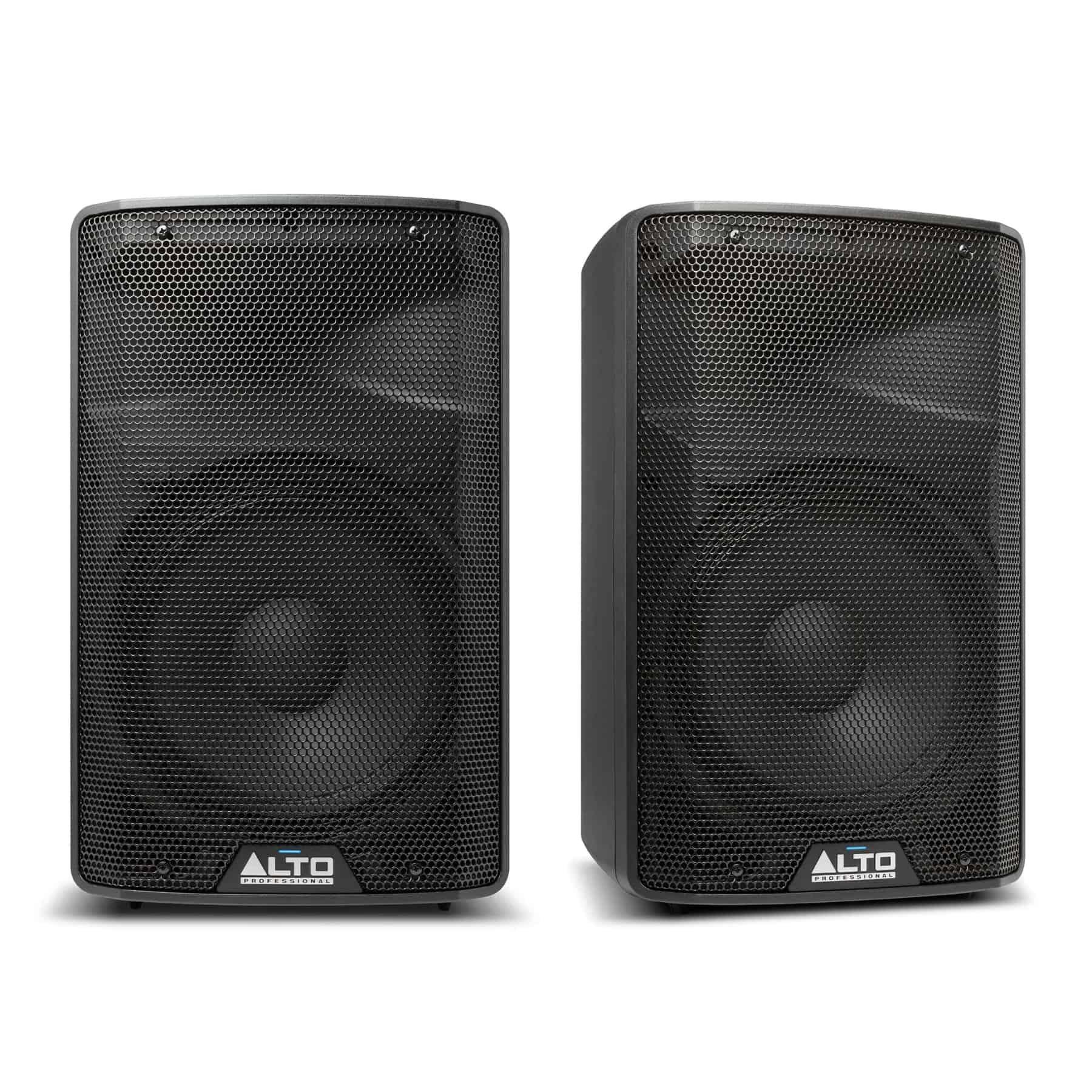 Alto powered pa speakers
Why XLR Cables Are Essential for Studio Monitor Setups
XLR cables are a cornerstone of professional audio environments, especially when connecting studio monitors. Known for their balanced audio signal transmission, XLR cables minimize interference and noise over long cable runs, which is crucial in studio environments where audio clarity is paramount.
Unlike unbalanced cables such as TS or RCA, XLR connections use three conductors—positive, negative, and ground—allowing for effective noise cancellation through phase inversion. This makes them ideal for studio monitors, which require accurate sound reproduction for mixing and mastering tasks.
Most high-end active studio monitors feature XLR inputs, indicating the industry’s trust in this connection standard for reliable and clean audio performance. Additionally, XLR connectors are mechanically robust, with a locking mechanism that ensures a secure connection, reducing the risk of accidental disconnection during critical sessions.
Superior Noise Rejection in Studio Environments
One of the most significant advantages of using XLR cables with studio monitors is their ability to reject electromagnetic interference and radio frequency noise.
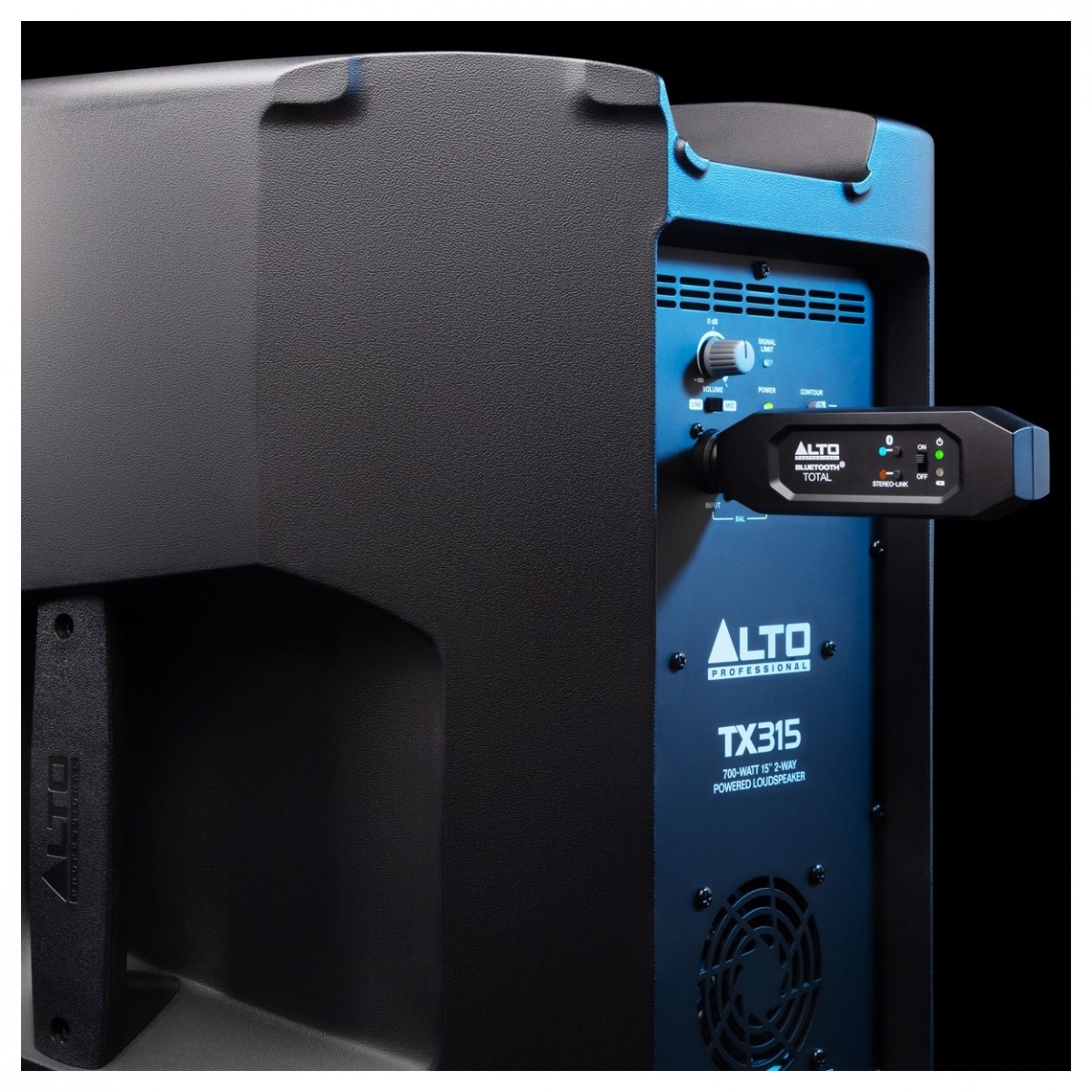 Alto professional pa speakers
This is achieved through balanced audio signaling, where the same audio signal is sent across two wires with opposite polarity. When the signal reaches the receiving device, the inverted signal is flipped back, causing unwanted noise—picked up equally on both conductors—to cancel out through common-mode rejection.
This is especially beneficial in studios where multiple electronic devices, lighting systems, and power cables generate electromagnetic fields that could otherwise degrade audio quality. As a result, XLR cables ensure that the sound you hear from your studio monitors is as true and undistorted as possible, making them indispensable for professional audio production.
Long-Distance Signal Integrity Without Degradation
XLR cables excel in maintaining signal integrity over long distances, a feature that is particularly useful in larger studio spaces or live sound setups.
Unlike unbalanced cables, which can suffer from signal loss and increased noise over runs longer than 15–20 feet, XLR cables can transmit audio signals over 100 feet or more with minimal degradation. This is again due to their balanced design and twisted-pair internal wiring, which enhances interference resistance.
 Alto trouper pa speakers
For studios where monitors are placed far from the audio interface or mixer, XLR cables provide a stable and clean connection, ensuring consistent sound quality across the entire room. This reliability supports accurate spatial and tonal monitoring, which is essential when making critical mixing decisions.
Compatibility and Connection Stability with Professional Gear
Most professional-grade studio monitors and audio interfaces come equipped with XLR inputs and outputs, highlighting their widespread adoption in audio production. The standardized pin configuration (pin 1: ground, pin 2: hot/positive, pin 3: cold/negative) ensures compatibility across brands and models, simplifying system integration.
Moreover, the locking latch mechanism on XLR connectors prevents accidental unplugging, which is vital during recording sessions or when working in busy studio environments. This secure connection also reduces wear and tear on both the cable and the input jacks, contributing to the longevity of studio equipment. For audio engineers seeking consistent, high-fidelity performance, XLR cables offer a dependable and universally accepted solution.
| Feature | Benefit for Studio Monitors | Relevant Use Case |
|---|---|---|
| Balanced Signal | Reduces noise and interference for clean audio output | Recording studios with high-electrical noise environments |
| Locking Connector | Ensures secure, stable connection during sessions | Live tracking or collaborative studio work |
| Long Cable Runs | Maintains signal clarity up to 100+ feet | Large control rooms or surround sound setups |
| Durable Build Quality | Withstands frequent use and resists wear | Professional studios with daily operations |
Essential Guide to Choosing the Best XLR Cables for Studio Monitors
Should I use XLR or TRS cables for connecting studio monitors?
XLR and TRS cables are both commonly used for connecting studio monitors, and either can be suitable depending on the inputs available on your audio interface and monitors. The choice between XLR and TRS (Tip-Ring-Sleeve) cables often comes down to the hardware you are using and your personal setup preferences.
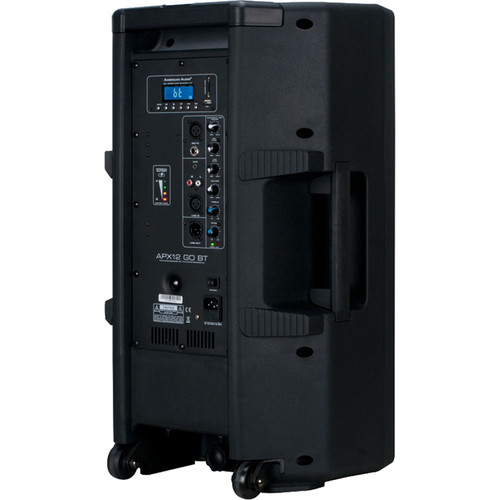 American audio pa speakers
Both cable types transmit balanced audio signals, which help reduce noise and interference over longer cable runs—essential in professional studio environments. In terms of audio quality, there is generally no discernible difference between a properly implemented XLR and TRS connection when used with high-quality cables and properly matched equipment.
Signal Quality and Noise Rejection
- Balanced connections, such as those provided by both XLR and TRS cables, are designed to reject electromagnetic interference by using differential signaling. This means that any noise picked up along the cable path is canceled out at the receiving end.
- XLR connections are typically favored in environments with longer cable runs or high levels of electrical interference, such as live sound stages or large studios, due to their secure locking mechanism and robust construction.
- TRS cables also deliver balanced audio and exhibit similar noise rejection capabilities over short to medium distances, making them ideal for most home and project studios where cable lengths are under 15–20 feet.
Compatibility with Studio Equipment
- Many professional studio monitors and audio interfaces offer both XLR and TRS inputs, allowing users to choose the connection type that best matches their cabling and setup needs.
- XLR inputs are more common on higher-end monitors and interfaces, and they are often the default choice in commercial studios due to their durability and standard use in microphone and line-level connections.
- TRS connections are more frequently found on compact or semi-professional gear and are useful when connecting gear that lacks XLR outputs, such as certain headphone amplifiers or portable audio interfaces.
Physical and Connector Durability
- XLR connectors feature a locking mechanism that prevents accidental disconnection, making them ideal for fixed installations or mobile setups that experience frequent movement and handling.
- TRS connectors, while robust, do not lock into place and can be more susceptible to becoming loose over time, especially in environments where cables are frequently stepped on or strained.
- The overall build quality of the cable—such as shielding, conductor gauge, and connector plating—has a greater impact on long-term reliability than the type (XLR vs TRS) alone; however, XLR's design offers superior strain relief and connection stability.
Can XLR cables be used to connect studio monitors effectively?
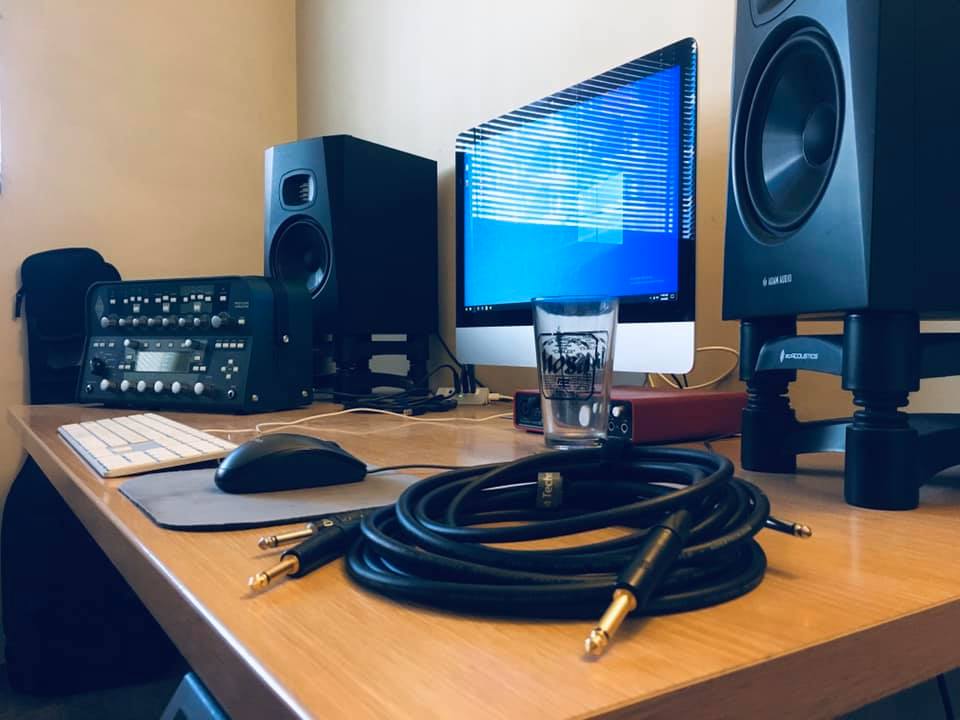
Yes, XLR cables can be used to connect studio monitors effectively, provided that both the audio source (such as an audio interface or mixer) and the studio monitors have compatible XLR inputs and outputs. XLR connections are favored in professional audio environments due to their balanced signal transmission, which helps reduce noise and interference over long cable runs.
This makes them particularly suitable for studio monitor setups where audio fidelity and signal integrity are crucial. If your studio monitors support XLR inputs, using XLR cables ensures a secure, locking connection and optimal audio performance, especially in environments with potential electromagnetic interference.
 Apogee pa speakers
Advantages of Using XLR Cables for Studio Monitors
- XLR cables provide balanced audio connections, meaning they carry two copies of the audio signal in opposite polarity, which cancels out noise picked up along the cable run—this is especially beneficial in longer runs common in studio setups.
- The physical design of XLR connectors includes a locking mechanism that ensures a secure and stable connection, reducing the risk of the cable disconnecting accidentally during use.
- XLR cables are commonly used in professional audio gear, so studios often use them as a standard, promoting consistency and compatibility between different pieces of equipment like audio interfaces, preamps, and powered monitors.
When XLR Might Not Be the Best Option
- If your audio source does not have XLR outputs or only provides unbalanced outputs such as RCA or 1/4” TS, using XLR cables may require adapters or active converters, which can introduce signal degradation or additional points of failure if not implemented properly.
- Some entry-level studio monitors only feature TRS or RCA inputs, meaning XLR cables cannot be used directly without compromise to connectivity or signal path integrity.
- In small home studios where cable runs are short (under 10 feet), the noise-rejection benefits of XLR are often negligible, making other connection types like TRS equally effective and sometimes more convenient.
Proper Setup for XLR Connections to Studio Monitors
- Ensure that both your audio interface (or mixer) and your studio monitors support balanced XLR connections—check the input/output specifications to confirm compatibility before purchasing or installing cables.
- Use high-quality, shielded XLR cables rated for audio use; poorly made cables may not maintain proper grounding or signal balance, which could result in hum, buzz, or signal loss.
- Connect the audio source to the monitor using XLR cables by inserting the male end (typically from the source) into the female input (typically on the monitor), making sure both ends are securely locked to prevent any loose connections that affect sound quality.
Frequently Asked Questions
What are XLR cables used for in studio monitors?
XLR cables are used to connect audio devices like studio monitors to audio interfaces or mixers, ensuring a balanced signal transfer. They minimize noise and interference over long cable runs, making them ideal for professional studio environments. The secure locking mechanism provides a stable connection, crucial for maintaining consistent audio quality during recording and mixing sessions.
Are XLR cables better than TRS for studio monitors?
XLR and TRS cables both provide balanced audio connections, but XLR cables are often preferred for studio monitors due to their secure locking feature and durability. XLR connectors are less likely to disconnect accidentally, which ensures reliability in critical listening setups. While both offer similar audio quality, XLR is typically favored in professional studios for its robust and stable connection.
Do XLR cables improve sound quality in studio monitors?
XLR cables don’t inherently enhance sound quality, but they help maintain signal integrity by reducing interference and noise over long distances. Their balanced design cancels out external noise, which results in a cleaner audio signal reaching the studio monitors. This reliability and clarity make XLR cables ideal for professional audio applications where accurate sound reproduction is essential.
How long should XLR cables be for studio monitors?
XLR cables for studio monitors should be long enough to comfortably reach from your audio interface or mixer to the monitors, typically between 3 to 10 feet. Avoid excessively long cables to minimize signal degradation, although XLR handles longer runs better than unbalanced cables. Choose a length that allows neat cable management without tension or excess slack in your studio setup.
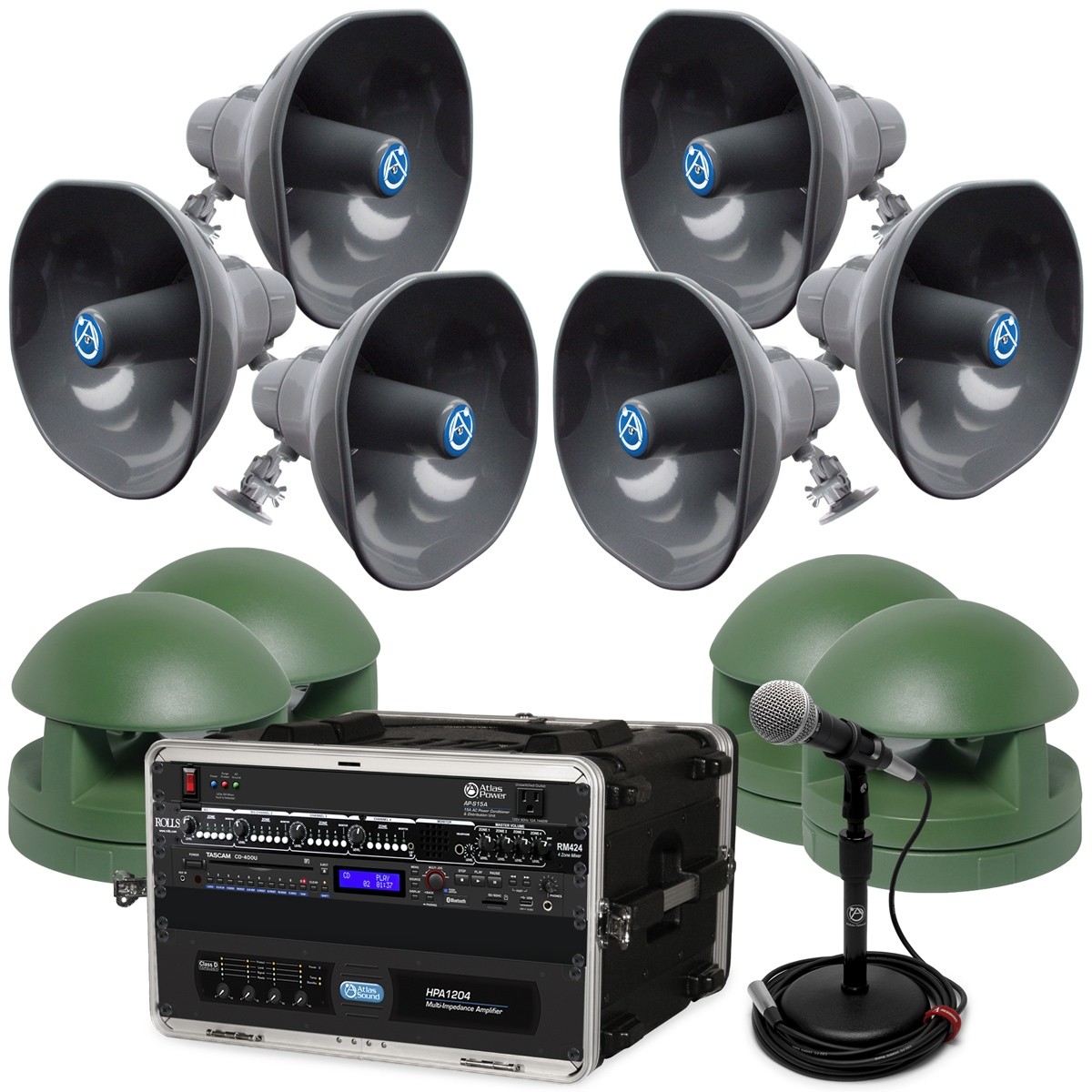 Atlas pa speakers
Leave a Reply