
10 inch vs 12 inch pa speakers

When choosing between 10-inch and 12-inch PA speakers, sound quality, portability, and application are key considerations. The size of a speaker significantly affects its bass response, overall volume, and efficiency. Ten-inch speakers are often lighter and more compact, making them ideal for smaller venues or users prioritizing mobility.
In contrast, 12-inch speakers typically deliver deeper bass and higher sound pressure levels, suiting larger spaces and performances requiring more audio power. While both sizes have their strengths, the decision hinges on specific needs such as performance environment, musical genre, and transport requirements. Understanding these differences ensures a better match between speaker capability and real-world use.
10 Inch vs 12 Inch PA Speakers: What’s the Difference and Which Is Better?
When choosing between 10 inch and 12 inch PA speakers, understanding the core differences in performance, application, and audio characteristics is essential.
 Powered pa monitor speakers
These variations in driver size directly impact how sound is produced, especially in terms of bass response, efficiency, portability, and coverage. A 10 inch speaker tends to be lighter and more agile, making it ideal for smaller venues or mobile setups where quick setup and clear midrange are prioritized.
In contrast, a 12 inch speaker offers extended low-frequency reproduction, greater air-moving capability, and is better suited for larger spaces where deeper bass and higher overall volume are required. The decision often comes down to balancing size and weight against sound output and frequency range, especially in applications ranging from live music gigs to fixed installations.
Sound Quality and Frequency Response
The frequency response of a PA speaker is heavily influenced by the size of the driver, with 12 inch speakers typically producing a deeper and more robust bass response than their 10 inch counterparts.
Due to their larger cone surface area, 12 inch drivers can move more air, which enhances low-end performance, making them preferable for music genres that rely on strong bass, such as hip-hop, EDM, or rock. On the other hand, 10 inch speakers can deliver a tighter, more focused midrange with quicker transient response, which benefits vocals and acoustic instruments in smaller to medium-sized venues.
 Active vs passive pa speakers
While 12 inch models extend lower in frequency—often reaching 45-50 Hz compared to 55-65 Hz for 10 inch models—the latter can offer cleaner, more articulate sound in the critical vocal range, which is vital for clarity in speech and singing.
Portability and Practical Use Cases
Portability is a major consideration when choosing between 10 inch and 12 inch PA speakers, especially for musicians, DJs, or event professionals who frequently transport their gear. 10 inch speakers are noticeably lighter and more compact, making them easier to load in and out of vehicles and set up on stage, ideal for solo performers or mobile DJs working at smaller events like parties, cafes, or conferences.
In contrast, 12 inch speakers are bulkier and heavier, requiring more effort to install and transport, but they deliver greater sound pressure levels (SPL) and better low-end performance suited for medium to large venues such as clubs, auditoriums, or outdoor stages. The trade-off between weight and acoustic power means that professionals must assess their typical performance environment before making a choice.
Power Handling and Efficiency
Power handling and efficiency are critical specs that vary between 10 and 12 inch PA speakers, influencing how loud a speaker can get and how well it uses amplifier power. Generally, 12 inch speakers can handle higher wattage due to larger voice coils and greater surface area, allowing them to produce louder sound with less distortion at high volumes.
 3 way active pa speakers
They often feature higher sensitivity ratings, meaning they convert power into sound more efficiently. However, 10 inch speakers can be surprisingly efficient in their optimized range, delivering strong output with less power, which makes them excellent for battery-powered or compact active systems.
When paired with a subwoofer, a 10 inch full-range speaker can still achieve impressive overall sound quality while reducing system weight, demonstrating that efficiency doesn’t always come at the cost of performance.
| Feature | 10 Inch PA Speakers | 12 Inch PA Speakers |
|---|---|---|
| Bass Response | Moderate; tighter and more controlled low end | Deeper bass extension; greater low-frequency output |
| Portability | Lighter and easier to transport | Heavier and bulkier; less convenient for frequent moves |
| Power Handling | Lower wattage capacity; efficient in midrange | Higher power handling; capable of louder, cleaner output |
| Best Use Cases | Small venues, speeches, portable DJ setups | Live bands, clubs, outdoor events, bass-heavy music |
| Frequency Range | Typically 65 Hz – 20 kHz | Typically 45 Hz – 20 kHz |
10 Inch vs 12 Inch PA Speakers: A Comprehensive Comparison Guide
Are 12-inch PA speakers louder than 10-inch models?
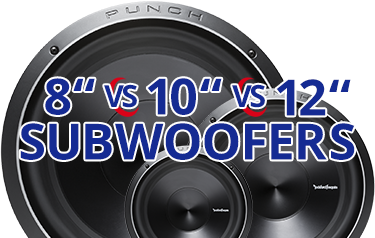
Size and Sound Pressure Level (SPL)
- Generally, 12-inch PA speakers have the potential to produce higher sound pressure levels (SPL) compared to 10-inch models due to their larger cone surface area, which moves more air per piston movement.
- The increased diaphragm size allows 12-inch speakers to generate greater low-frequency output, contributing to a perception of overall loudness, especially in bass-heavy applications.
- However, maximum SPL also depends on amplifier power, cabinet design, and driver efficiency, meaning a well-designed 10-inch system with high power handling might match or exceed the output of a less optimized 12-inch model.
Efficiency and Power Handling
- Speaker efficiency, measured in dB at 1 watt/1 meter, plays a crucial role in volume output and can vary significantly between models regardless of size.
- Many 12-inch speakers are built with more robust voice coils and suspension systems, allowing them to handle higher continuous power, which can result in louder sustained output.
- That said, some modern 10-inch drivers are engineered with neodymium magnets and high-excursion designs, enabling high efficiency and significant loudness in a more compact form factor.
Application and Frequency Response
- While 12-inch speakers often deliver stronger bass response and may feel louder in live music or DJ environments, perceived loudness also depends on how well the speaker reproduces mid and high frequencies relevant to human hearing.
- In vocal-centric applications like public speaking, a 10-inch speaker with a well-integrated high-frequency driver might project more clearly and appear subjectively louder despite lower bass output.
- The enclosure type—such as bass-reflex, horn-loaded, or sealed—also influences how effectively the speaker converts power into usable sound, further affecting real-world loudness in different acoustic environments.
How do 10-inch PA speakers compare to 12-inch models in performance?

 3 way passive pa speakers
Size and Bass Response
- The physical size of a speaker significantly affects its ability to reproduce low frequencies. 12-inch PA speakers have a larger cone surface area, allowing them to move more air and produce deeper, more powerful bass compared to 10-inch models. This increased air displacement results in greater low-end output, making 12-inch speakers better suited for music genres that rely heavily on bass, such as hip-hop, EDM, or rock.
- 10-inch speakers, while more compact, are limited in their bass extension due to their smaller diaphragm. They can still deliver tight, punchy low-mids and upper bass, but may struggle to reproduce the very lowest frequencies without additional subwoofers. This makes them more appropriate for speech applications, acoustic sets, or smaller venues where deep bass is less of a priority.
- Additionally, the larger voice coil and magnet structure typically found in 12-inch units contribute to improved thermal handling and dynamic range at low frequencies. This allows 12-inch speakers to sustain louder bass levels for longer durations without distortion, especially in high-demand scenarios like live concerts or large events.
Portability and Cabinet Design
- One of the key advantages of 10-inch PA speakers is their smaller size, which directly translates to lighter weight and easier transport. This makes them ideal for solo performers, mobile DJs, or sound engineers who frequently handle their own gear and value efficiency in setup and breakdown.
- Cabinets housing 10-inch speakers are typically more compact, facilitating tighter stage placement and reducing the physical footprint on smaller stages or in crowded environments. Their reduced dimensions also make them easier to stack or mount on poles and stands without requiring excessive rigging hardware.
- In contrast, 12-inch speakers, while offering superior sound projection and bass depth, come in bulkier enclosures that add weight and complexity to transportation and setup. This can be a limiting factor for users without vehicles suited for larger equipment or those working in locations with limited access or stairways.
Efficiency and Sound Pressure Level (SPL)
- 12-inch speakers generally achieve higher maximum sound pressure levels (SPL) due to their greater cone area and driver efficiency at lower frequencies. This makes them more effective in larger venues or outdoor settings where sound must cover greater distances without losing clarity or volume.
- While 10-inch speakers may not match the raw output of their 12-inch counterparts, modern designs often incorporate high-efficiency components and advanced horn or waveguide technology to compensate. As a result, they can deliver impressive loudness for their size, especially in midrange frequencies where human hearing is most sensitive.
- Efficiency also relates to amplifier requirements; 12-inch drivers often demand more power to reach their full potential, particularly in bass reproduction. In contrast, 10-inch models can achieve competitive output levels with less amplification, making them a good match for compact powered PA systems and battery-powered setups used for events like street performances or small meetings.
Frequently Asked Questions
What is the main difference between 10-inch and 12-inch PA speakers?
The main difference lies in size and sound performance. A 12-inch speaker has a larger cone, producing deeper bass and higher overall output, making it better for large venues. A 10-inch speaker is more compact, offering quicker response and clearer midrange, ideal for smaller spaces. Size affects portability and frequency response, so the choice depends on your sound needs and performance environment.
Which PA speaker size is better for bass response?
A 12-inch PA speaker typically delivers superior bass response due to its larger surface area and greater air displacement. This allows it to reproduce low frequencies more effectively than a 10-inch model. If deep, powerful bass is essential—such as in live music or dance events—the 12-inch speaker is usually the better choice, especially in medium to large venues where low-end presence matters most.
Are 10-inch PA speakers more portable than 12-inch ones?
Yes, 10-inch PA speakers are generally lighter and more compact than 12-inch models, making them easier to transport and set up. Their smaller size is advantageous for solo performers, small gigs, or mobile setups where space and ease of movement are priorities. While both sizes are designed for portability, the 10-inch offers a slight edge in convenience without sacrificing too much sound quality.
Does a larger speaker always mean louder sound?
Not necessarily. While a 12-inch speaker can produce more volume and deeper bass due to its size, overall loudness also depends on amplifier power, speaker efficiency, and cabinet design. A well-powered 10-inch speaker can be very loud and clear, suitable for many environments. So, speaker size contributes to volume and tonal quality, but it’s not the only factor determining loudness.
 3 way powered pa speakers
Leave a Reply