
2 way vs 3 way pa speakers
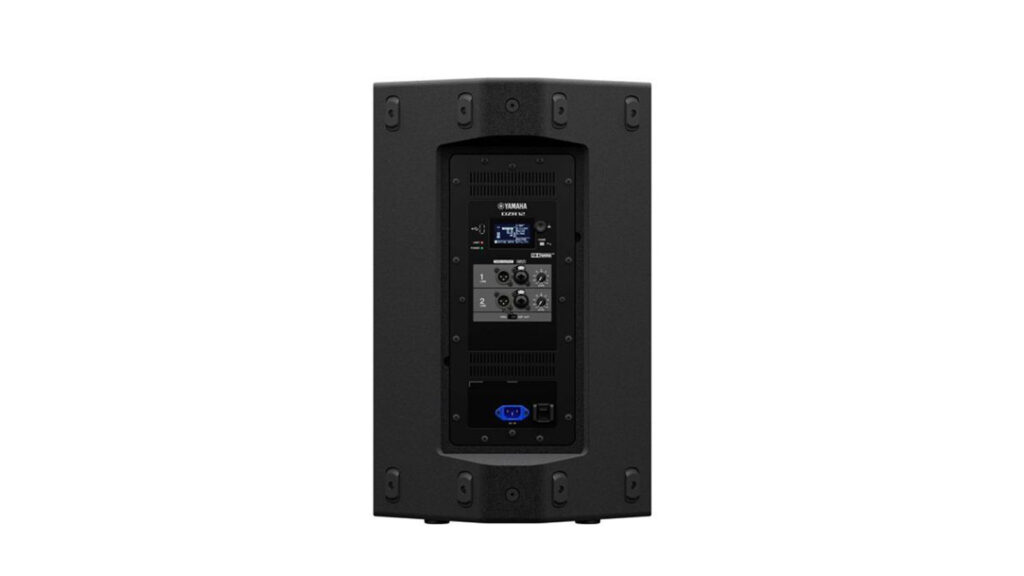
When choosing PA speakers for live sound, understanding the differences between 2-way and 3-way systems is essential for achieving optimal audio performance.
A 2-way speaker divides audio frequencies into two ranges—typically handled by a woofer and a tweeter—offering simplicity and reliability for many applications. In contrast, a 3-way system splits sound into three frequency bands using separate drivers for lows, mids, and highs, allowing for greater clarity and precision.
While 3-way speakers often deliver superior sound quality, especially in large venues, they come with increased complexity and cost. The right choice depends on venue size, audio requirements, and budget constraints.
 Best compact dj speakers
2-Way vs 3-Way PA Speakers: Understanding the Key Differences
When selecting public address (PA) speakers for sound reinforcement in live events, installations, or performances, one of the fundamental decisions involves choosing between 2-way and 3-way speaker configurations. The main distinction lies in how the audio signal is divided and reproduced through dedicated drivers within the speaker cabinet.
A 2-way speaker uses two sets of drivers—typically a woofer for low frequencies and a tweeter for high frequencies—separated by a crossover network. In contrast, a 3-way speaker adds a third driver, usually a midrange, to handle the middle frequencies, further dividing the audio spectrum into three distinct bands.
This structural difference impacts overall sound clarity, efficiency, frequency response accuracy, and physical design. Understanding the engineering behind these systems helps users make informed decisions based on application needs, room size, and desired audio fidelity.
How 2-Way PA Speakers Work
A 2-way PA speaker divides the audio signal into two frequency ranges using a passive or active crossover network: one sent to the woofer (handling lows and lows-mids) and the other to the tweeter (handling highs).
 Best dj bass speakers
This design is efficient and widely used due to its simplified construction, reduced component count, and generally lower cost. Because of fewer drivers and less complex internal routing, 2-way systems are often lighter and more compact, making them ideal for portable setups, small to medium venues, and applications where ease of transport matters.
However, the woofer must cover a broader frequency range, which can sometimes result in less precise midrange reproduction compared to dedicated midrange drivers in 3-way systems, particularly under high sound pressure levels.
Advantages of 3-Way PA Speaker Systems
3-way PA speakers offer enhanced audio clarity and frequency separation by dedicating individual drivers to low (woofer), mid (midrange driver), and high (tweeter) frequencies.
This specialized division allows each driver to operate within its optimal range, reducing distortion and improving overall spectral accuracy. These systems are especially beneficial in larger venues or applications demanding high-fidelity sound reproduction, such as concerts, theaters, or professional installations.
 Best dj booth monitor speakers
The inclusion of a midrange driver ensures that vocals and instruments in the critical middle spectrum are rendered with greater definition and presence. While they tend to be heavier, more complex, and more expensive, the acoustic benefits often justify their use in high-performance environments.
Choosing Between 2-Way and 3-Way for Your Application
The decision between 2-way and 3-way PA speakers largely hinges on usage context, budget, and desired sound quality. For mobile DJs, small venues, or portable PA systems, 2-way speakers often provide sufficient sound quality and practicality with easier setup and transport.
In contrast, larger events, fixed installations, or audiophile-grade applications may benefit from 3-way designs that offer superior tonal balance and reduced driver strain. Space constraints, power requirements, and amplifier compatibility should also be considered. Ultimately, users must weigh performance gains against cost and complexity to determine which system best suits their specific audio needs.
| Feature | 2-Way PA Speakers | 3-Way PA Speakers |
|---|---|---|
| Frequency Division | Divides sound into two bands (low/mid and high) | Divides sound into three bands (low, mid, high) |
| Drivers Used | Woofer and tweeter | Woofer, midrange, and tweeter |
| Sound Clarity in Mids | Good, but may lack precision under load | Superior clarity and detail in vocal and instrument ranges |
| Size and Portability | More compact and lightweight | Larger and heavier due to extra components |
| Cost | Generally more affordable | Higher due to added complexity and parts |
| Best For | Small to medium venues, portable use | Large venues, high-fidelity applications |
2-Way vs 3-Way PA Speakers: A Comprehensive Guide to Understanding the Differences
What are the sound quality differences between 2-way and 3-way PA speakers?

 15 inch dj speakers price
Frequency Range and Driver Specialization
- A 2-way PA speaker system divides the audio signal between two types of drivers: a woofer for low frequencies and a tweeter for high frequencies. This design relies on each driver to cover a broad portion of the audible spectrum, which can sometimes result in compromised clarity at the crossover point where frequencies transition between drivers.
- In contrast, a 3-way PA speaker adds a midrange driver, allowing each driver to focus on a narrower band of frequencies—bass, midrange, and treble. This division enables more precise reproduction, especially in the critical midrange where most vocals and musical instruments reside.
- Because each driver in a 3-way system handles a smaller frequency range, there is typically less strain on the components, leading to improved accuracy and reduced distortion, especially at higher volumes and in complex audio passages.
Clarity and Detail in the Midrange
- The midrange frequencies (approximately 200 Hz to 4 kHz) are vital for speech intelligibility and the natural tone of instruments. In a 2-way system, the woofer often must reproduce these midrange frequencies in addition to bass, which can lead to less focused or slightly muddy vocal presentation.
- A 3-way speaker dedicates a separate driver solely to the midrange, significantly enhancing clarity, vocal definition, and instrumental separation. This is especially beneficial in live sound environments where speech or lead vocals must cut through a full band mix.
- The isolated midrange driver in a 3-way design minimizes intermodulation distortion—where strong bass signals interfere with midrange output—resulting in cleaner, more transparent sound even under high sound pressure levels.
Bass Performance and System Efficiency
- 2-way PA speakers often feature larger woofers that handle both bass and midrange frequencies. While this can produce strong low-end output, the requirement to reproduce a wider spectrum may reduce overall efficiency and limit the depth and control of bass response.
- 3-way systems allow the woofer to focus exclusively on low frequencies, enabling deeper, tighter bass because the driver isn't burdened with reproducing midrange content. This specialization often improves transient response and reduces power compression in the bass driver.
- However, 3-way systems can be more complex in terms of internal crossovers and cabinet design, potentially increasing cost and weight. The efficiency gains in individual drivers may be offset by the added complexity, but the net result is typically a more balanced, accurate, and scalable sound suitable for larger venues and professional applications.
What are the key differences between 2-way and 3-way PA speakers for live sound applications?

Driver Configuration and Frequency Division
- A 2-way PA speaker system divides the audio signal between two drivers: a woofer for low frequencies and a tweeter for high frequencies, using a crossover network to split the signal at a specific frequency point, typically around 2 kHz to 4 kHz.
- In contrast, a 3-way PA speaker system uses three drivers: a woofer for bass, a midrange driver for vocals and instruments, and a tweeter for high-end clarity, allowing for a more precise distribution of frequencies across dedicated components.
- The crossover in a 3-way system is more complex, splitting the signal into three bands (low, mid, high), which reduces strain on individual drivers and improves overall sound accuracy, especially in complex live sound environments.
Sound Clarity and Power Handling
- 2-way speakers are generally simpler and more cost-effective, making them suitable for smaller venues or sound systems where high-frequency detail and midrange articulation are less critical.
- 3-way speakers offer superior clarity, particularly in the vocal range, because the midrange driver handles frequencies that would otherwise be shared between the woofer and tweeter in a 2-way design, minimizing distortion and improving voice intelligibility.
- Due to the dedicated midrange driver, 3-way systems can handle higher power input more efficiently, distributing the load across three drivers, which is advantageous in large-scale live events with dynamic audio demands.
Size, Weight, and System Complexity
- 2-way speakers tend to be more compact and lighter, making them easier to transport and set up, which is beneficial for mobile DJs, small bands, or venues with space limitations.
- 3-way systems are typically larger and heavier due to the additional driver and more sophisticated crossover circuitry, requiring more robust mounting and structural support, especially in line-array configurations.
- The increased complexity of 3-way speakers often means higher manufacturing costs, more involved setup procedures, and potential need for external signal processing or active crossover alignment, which impacts scalability and ease of use.
What are the key differences between 2-way and 3-way car speakers?

Design and Component Structure
- 2-way car speakers consist of two main components: a woofer and a tweeter. The woofer handles low to mid-range frequencies, while the tweeter reproduces high-frequency sounds. This simpler configuration allows for a compact design and easier integration into most vehicle audio systems.
- In contrast, 3-way car speakers include three distinct drivers: a woofer, a midrange driver, and a tweeter. The addition of a midrange driver allows for more precise reproduction of mid-frequency sounds, such as vocals and some instruments, which fall between bass and treble ranges.
- The crossover network in each speaker type also differs. In 2-way systems, the crossover splits the audio signal into two frequency bands directed to the woofer and tweeter. In 3-way systems, the crossover divides the signal into three bands—low, mid, and high—sending each to its dedicated driver, enabling more detailed sound separation.
Sound Quality and Frequency Response
- 2-way speakers generally deliver balanced audio suitable for everyday listening. While they can reproduce a wide frequency range, the woofer must manage both bass and midrange tones, which can sometimes lead to less clarity in complex musical passages or overlapping frequencies.
- 3-way speakers offer enhanced sound accuracy due to the dedicated midrange driver. This allows each driver to focus on a narrower frequency band, reducing distortion and improving overall clarity, especially in environments with background noise like inside a car.
- The extended frequency response of 3-way systems results in a more natural and immersive listening experience. Highs are crisper thanks to the tweeter, mids are more defined due to the midrange driver, and lows are deeper when paired with an appropriately sized woofer, creating a more layered audio presentation.
Installation and Practical Considerations
- 2-way speakers are typically easier to install because of their simpler construction and smaller size. They often fit directly into factory speaker locations without requiring modifications, making them a popular choice for standard audio upgrades.
- 3-way speakers may require more careful placement and installation due to their larger size and the need to properly align multiple drivers. The physical layout of the midrange and tweeter can affect sound staging and imaging, so optimal positioning is crucial for achieving the best acoustic performance.
- Cost and power requirements are also factors to consider. 3-way speakers are generally more expensive and may need higher power input to drive the additional driver efficiently, often benefiting from an external amplifier. In comparison, 2-way speakers are more budget-friendly and usually work well with factory head units.
Frequently Asked Questions
What is the difference between 2-way and 3-way PA speakers?
A 2-way PA speaker uses two drivers—typically a woofer and a tweeter—to cover the frequency range, handling lows and highs. A 3-way system adds a midrange driver, dividing sound into lows, mids, and highs. This allows more accurate sound reproduction, especially in complex audio environments, making 3-way speakers ideal for large venues or high-fidelity applications where clarity across all frequencies is crucial.
When should I choose a 3-way PA speaker over a 2-way?
Choose a 3-way PA speaker when you need enhanced clarity and detail across a broad frequency range, such as in large venues, live concerts, or professional audio setups. The separate midrange driver improves vocal intelligibility and instrument separation. If space, budget, or sound requirements are modest, a 2-way speaker may suffice. However, for high-demand environments, 3-way systems offer superior sound dispersion and reduced distortion at higher volumes.
 18 inch dj speakers price
Are 2-way PA speakers suitable for live music performances?
Yes, 2-way PA speakers are suitable for many live music performances, especially in small to medium-sized venues. They efficiently handle a wide frequency range with a woofer for bass and a tweeter for high frequencies. While they may not deliver the same level of detail as 3-way systems, modern 2-way designs often provide excellent sound quality and are more portable and cost-effective, making them a practical choice for bands, DJs, and spoken word events.
Do 3-way PA speakers require more complex setup than 2-way speakers?
3-way PA speakers can require a slightly more complex setup due to the additional driver and often built-in crossovers that manage frequency distribution. They may also need more precise placement and equalization to optimize performance. However, many modern 3-way systems are designed for ease of use with integrated electronics. While setup is more involved than with 2-way speakers, the improved sound quality in demanding environments typically justifies the extra effort.
 2 dj speakers
Leave a Reply