
Active or passive speakers for dj
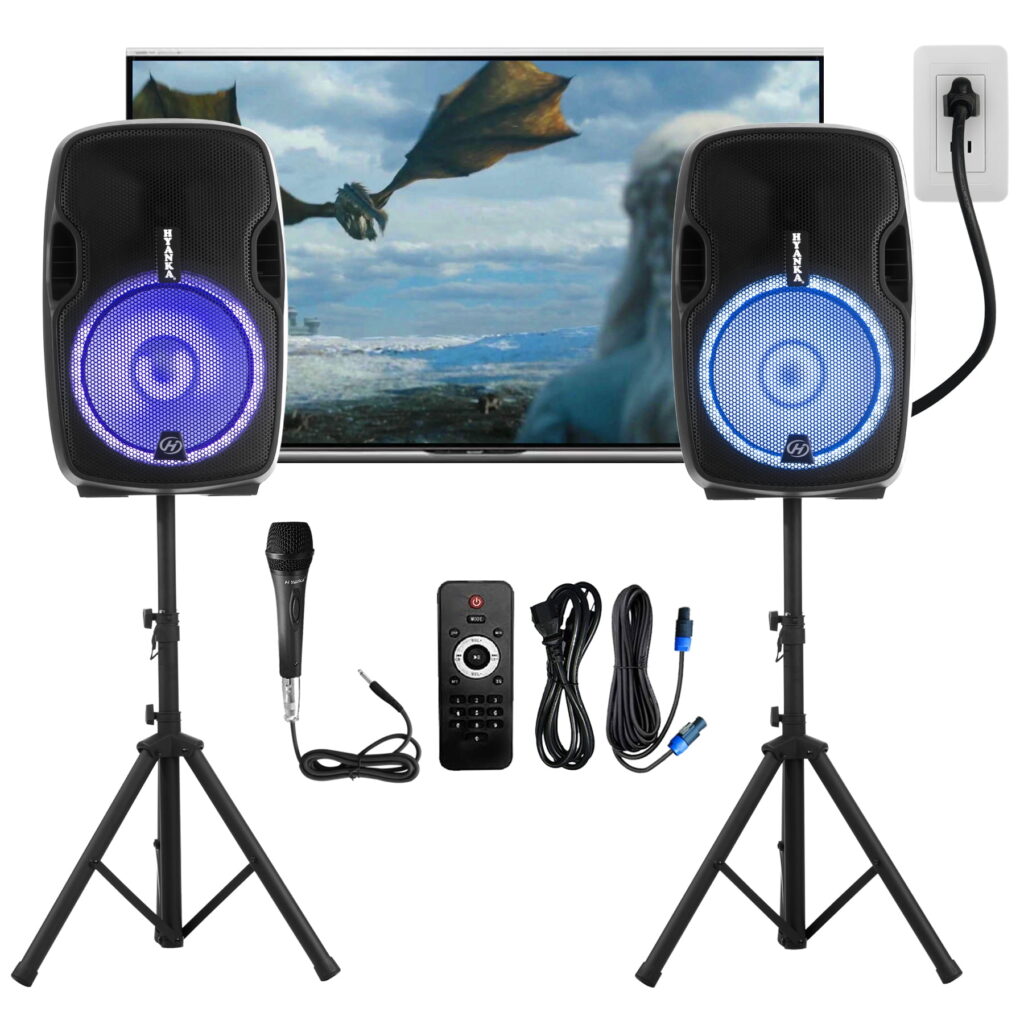
When setting up a DJ system, choosing between active and passive speakers is a critical decision that impacts sound quality, portability, and overall performance.
Active speakers come with built-in amplifiers, offering convenience, optimized component integration, and reduced setup time—ideal for mobile DJs and small to mid-sized venues. Passive speakers, on the other hand, require external amplifiers but provide greater flexibility in system customization and scalability for larger sound setups.
Each option has distinct advantages depending on the DJ’s needs, budget, and technical expertise. Understanding the differences in power, sound control, connectivity, and maintenance helps in making an informed choice for optimal audio delivery in any performance environment.
 Best dj party speakers
Active or Passive Speakers for DJs: Which Is the Better Choice?
When it comes to selecting the right sound equipment, DJs face a critical decision between active and passive speakers. Each type serves different needs based on performance environment, portability requirements, and technical expertise. Active speakers come with built-in amplifiers, meaning they are designed to receive a line-level signal directly from a mixer or audio interface and amplify it internally.
This integration simplifies setup, reduces the number of components needed, and often ensures better impedance and frequency response matching between the amplifier and speaker drivers. Passive speakers, in contrast, require an external amplifier to function, offering more customization and higher power potential but demanding extra equipment and cabling.
For mobile DJs or those performing in smaller venues, active speakers provide a streamlined, plug-and-play solution. In contrast, professional sound engineers working in large venues or fixed installations may prefer passive systems for their flexibility and scalability. Ultimately, the choice depends on the DJ’s workflow, budget, and performance context.
Understanding Active DJ Speakers
Active DJ speakers, also known as powered speakers, contain internal amplifiers specifically matched to their drivers, which enhances sound quality and efficiency.
 Best dj speakers for bass
These speakers typically feature input options such as XLR, TRS, or even Bluetooth, allowing DJs to connect directly from mixers, media players, or laptops without needing additional hardware. One of the key advantages is their ease of setup—just run a cable from the mixer to the speaker, and you're ready to go. This makes them ideal for mobile DJs who need to set up and tear down quickly.
Additionally, many active models include built-in processing features such as EQ controls, crossover networks, and thermal protection, which help optimize sound performance and prevent damage. However, they tend to be heavier due to the internal electronics, and their power requirements mean each speaker needs its own power outlet, which can complicate setups in venues with limited access to electricity.
Understanding Passive DJ Speakers
Passive speakers rely entirely on external amplifiers to drive the audio signal, giving DJs and sound engineers greater control over the system’s performance. Because the amplifier is separate, users can upgrade or swap components independently—opting for a more powerful amp or custom-tuning the system for a specific venue.
This modular nature makes passive systems highly scalable and customizable, a major benefit in large installations like clubs or outdoor festivals. However, setting up passive speakers involves more planning: matching amplifier power (in watts) to speaker impedance (in ohms) is crucial to avoid damage.
 Best dj speakers for beginners
Additionally, longer cable runs are required to connect mixers to amplifiers and then to speakers, increasing both complexity and the risk of signal loss. While passive systems can deliver exceptional sound quality when properly configured, they demand more technical knowledge and are generally better suited for experienced users or permanent setups.
Comparing Key Features: Active vs. Passive Speakers
Choosing between active and passive speakers involves evaluating several technical and logistical factors, such as amplification, portability, sound control, and cost.
Active speakers are known for their integrated design, which reduces setup time and lowers the risk of component mismatch. They often include digital signal processing (DSP) for optimized sound output and are easier to daisy-chain for stereo setups. On the other hand, passive speakers offer greater long-term flexibility, especially when expanding a sound system or adapting to different acoustic environments.
Although passive systems may have a lower initial speaker cost, the need for amplifiers, speaker cables, and sometimes additional processing gear can make them more expensive overall. Portability is another key difference: active speakers, despite being heavier individually, require less gear overall, making them a favorite among mobile DJs.
 Best dj speakers for events
| Feature | Active Speakers | Passive Speakers |
|---|---|---|
| Amplification | Internal amplifier built-in | Requires external amplifier |
| Setup Complexity | Simple, plug-and-play | Complex, requires matching components |
| Portability | High—fewer components | Low—more cables and gear |
| Sound Control | Limited to built-in DSP/EQ | Highly customizable with external gear |
| Cost Efficiency | Moderate upfront cost | Lower speaker cost, higher system cost |
| Best For | Mobile DJs, small venues | Large venues, permanent installations |
Active vs Passive Speakers for DJs: A Comprehensive Guide
What type of speakers do DJs typically use: active or passive?

DJs typically use both active and passive speakers, but active speakers are more commonly preferred in modern setups due to their integrated amplification and convenience.
Active speakers, also known as powered speakers, have built-in amplifiers that are specifically matched to the speaker drivers, ensuring optimal performance without the need for external amplification. This is particularly advantageous for mobile DJs and those performing in smaller to mid-sized venues, as it reduces the number of components required—such as separate amplifiers and complex cabling—and speeds up setup and breakdown times.
Passive speakers, on the other hand, require an external amplifier and are more frequently used in large-scale installations or professional audio systems where customization and high power output are priorities. Ultimately, the choice depends on the DJ’s performance context, budget, and technical requirements.
 Best dj speakers for home use
Advantages of Active Speakers for DJs
- Active speakers come with built-in amplifiers tailored to the speaker components, which enhances sound quality and efficiency. This eliminates the need to match external amplifiers, reducing the risk of impedance mismatches and signal degradation.
- They offer faster and simpler setup, which is crucial for mobile DJs who frequently perform at different venues. With fewer components to transport and connect, active systems are more portable and less prone to technical errors during installation.
- Active speakers often include built-in signal processing such as crossovers and limiters, providing better control over frequency distribution and speaker protection. This helps maintain consistent sound across various environments and prevents damage during long performances.
When Passive Speakers Are Preferred by DJs
- Passive speakers are commonly chosen for large-scale events or fixed installations where high power and system customization are essential. Professional sound engineers can fine-tune the audio output by selecting specific amplifiers and configuring crossover settings externally.
- They offer greater flexibility in system design, allowing DJs or audio technicians to mix and match components based on venue size, acoustics, and desired sound pressure levels. This modular approach is often used in clubs, festivals, and concert halls.
- In environments with permanent audio racks or dedicated gear rooms, passive systems can be more cost-effective over time, especially when multiple speaker zones are required and a single amplifier can drive several cabinets efficiently.
Portability and Practicality in Live DJ Setups
- For mobile DJs, portability is a primary concern, and active speakers significantly reduce the amount of equipment needed. A complete setup can consist of just speakers, a mixer or controller, and cables, streamlining the transport process.
- Many modern active PA speakers are designed with handles, lightweight materials, and even built-in batteries in some models, further accommodating DJs who travel frequently or perform in locations with limited power sources.
- Plug-and-play functionality allows even novice DJs to set up a professional-grade sound system quickly. This practicality makes active speakers a go-to choice for weddings, private parties, and small clubs where time and space are limited.
Which is better for DJs: active or passive speakers?

Sound Quality and Signal Integrity
- Active speakers generally offer superior sound quality for DJ applications because they have built-in amplifiers specifically matched to the drivers, ensuring optimal performance and minimizing signal loss.
- The integrated crossover networks in active speakers process audio signals before amplification, which results in more accurate frequency separation and cleaner output, especially at high volumes.
- Passive speakers rely on external amplifiers, which means sound quality depends heavily on the quality and compatibility of the external gear; mismatched components can lead to distorted or unbalanced audio output.
Setup Convenience and Portability
- Active speakers are typically more convenient for DJs on the move, as each unit contains its own amplifier and processing, reducing the need for additional equipment like external amplifiers and complex cabling.
- Since active speakers only require a power source and an audio signal, setup is faster and more straightforward, making them ideal for mobile DJs, small gigs, or outdoor events with limited space.
- Passive speaker systems demand more components—amplifiers, speaker cables, and sometimes external processors—increasing setup time and the risk of technical issues during transport or installation.
Cost and Long-Term Flexibility
- Active speakers usually have a higher upfront cost per speaker, but this cost includes the amplifier and signal processing, which are separate purchases with passive systems.
- Passive speaker setups offer more flexibility for upgrading components independently; DJs can later improve sound by changing the amplifier or adding digital signal processors without replacing the speakers.
- For large venues or high-power requirements, passive systems with high-wattage amplifiers may become more cost-effective in the long run, though they demand more technical expertise to tune and maintain properly.
What Are the Best Speakers for DJing: Active or Passive?
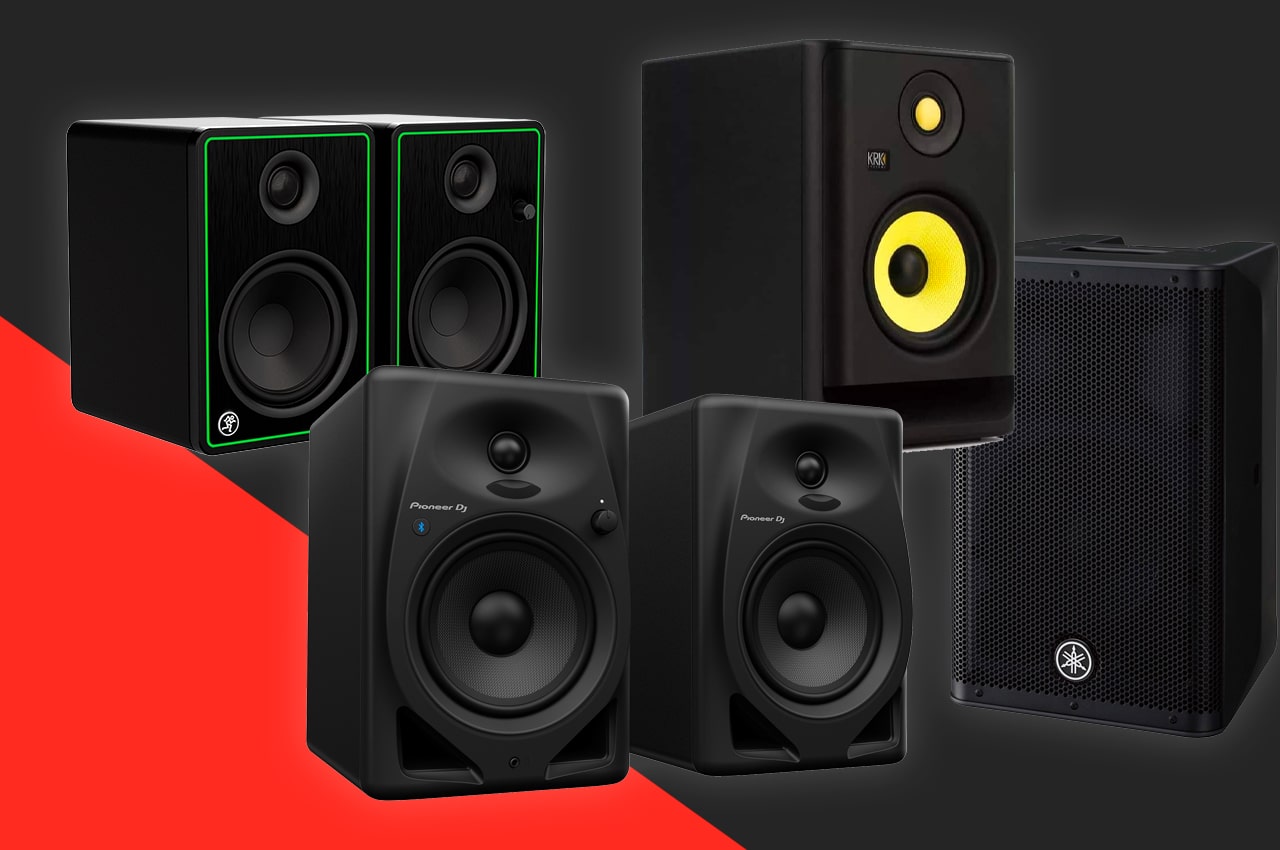
Understanding Active vs Passive Speakers for DJ Use
- Active speakers, also known as powered speakers, come with built-in amplifiers specifically matched to the drivers, which simplifies setup and ensures optimal performance without requiring external amplification. This integration allows DJs to connect their mixer or audio interface directly to the speaker, reducing the number of components needed and minimizing potential points of failure during live sets.
- Passive speakers, on the other hand, do not have built-in amplifiers and therefore require an external amplifier to function. This adds another layer of complexity to the audio chain, requiring careful matching between the amplifier's power output and the speaker's impedance and power handling capacity. While this allows for greater customization, it also increases setup time and the potential for mismatched components.
- For mobile DJs or those performing in smaller venues, active speakers are often preferred due to their plug-and-play convenience and integrated design. Passive systems remain popular in larger, fixed installations where sound engineers can fine-tune amplifier settings and where higher power demands justify the added complexity.
Sound Quality and Performance Considerations
- One of the main advantages of active speakers is their ability to provide consistent sound quality because the internal amplifier is precisely tuned to the speaker's drivers and crossover network. This design minimizes phase distortion and ensures that high, mid, and low frequencies are reproduced accurately, which is critical during DJ performances where clarity and precision are essential.
- Passive speakers can achieve high-fidelity sound but depend heavily on the quality and compatibility of the external amplifier. An improperly matched amp can lead to underperformance, distorted audio, or even damage to the speaker drivers. However, in professional environments with skilled technicians, passive systems can be optimized to deliver exceptional sonic accuracy and dynamic range.
- DJs who prioritize portability and fast setup without sacrificing audio fidelity often find that modern active speakers offer performance on par with high-end passive systems. Advances in digital signal processing and Class D amplification have significantly narrowed the performance gap, making active speakers a viable option even for demanding club environments.
Portability, Setup, and Practical Use
- Active speakers are generally more convenient for mobile DJs because each unit contains its own power source and signal processing, reducing the need to carry amplifiers, speaker cables, and additional racks. This streamlined setup not only saves time but also reduces the overall load when transporting gear to gigs, which is especially valuable for solo performers.
- With passive speakers, DJs must manage multiple components, including heavy amplifiers and thicker speaker cables, which increases setup time and logistical challenges. However, the modular nature of passive systems allows for greater scalability—additional speakers can be daisy-chained or powered from a central amplifier rack, making them suitable for large events with expansive stage requirements.
- Modern active speakers often include features such as input flexibility (XLR, TRS, RCA), built-in DSP, and networked control options, allowing DJs to adjust EQ, delay, and volume remotely. These features enhance workflow and adaptability, especially in changing acoustic environments, making active systems increasingly popular across a wide range of performance settings.
Are active speakers better than passive for DJ audio mixing?

Yes, active speakers are generally considered better than passive speakers for DJ audio mixing, especially in modern setups where precision, ease of use, and consistent sound reproduction are essential.
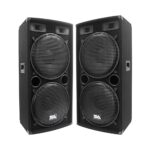 Best dj speakers for large events
Active speakers, also known as powered speakers, have built-in amplifiers specifically matched to the drivers (tweeters, woofers), which results in optimized performance and less signal loss. They often include additional features such as onboard EQ, input selection, and room correction technologies that can enhance sound quality in different environments.
For DJs who frequently perform in various venues or require a reliable monitoring solution in a studio, active speakers offer plug-and-play convenience and consistent sonic accuracy. While passive speakers can deliver high-quality audio with the right amplifier and cabling, they require additional components and technical knowledge to set up properly, which can be a drawback in fast-paced or mobile DJ scenarios.
Sound Accuracy and Frequency Response
- Active speakers are engineered with dedicated amplifiers for each driver, allowing for superior control over frequency ranges and more accurate sound reproduction. This is crucial for DJs who need to hear precise details in the bass, mids, and highs when beatmatching and blending tracks.
- Because the amplifier and crossover are built-in and specifically tuned by the manufacturer, active speakers often deliver a flatter frequency response, reducing coloration and ensuring a more neutral monitoring environment.
- Many active studio monitors used in DJ setups feature adjustable EQ settings or room calibration that allow for on-the-fly corrections based on the acoustics of the space, further enhancing sound accuracy.
Setup Convenience and Portability
- Active speakers require fewer external components—just a sound source and power—making them ideal for mobile DJs or those working in temporary setups. This reduces clutter and setup time compared to passive speakers, which need external amplifiers, speaker cables, and often more power sources.
- The integration of amplification into the speaker enclosure allows for a more compact and self-contained system. This is especially beneficial in smaller booths or home studios where space is limited.
- Many active speakers offer multiple input options such as XLR, TRS, and even digital inputs (like S/PDIF or USB), providing flexibility in connecting DJ controllers, mixers, or audio interfaces without additional adapters.
Power Efficiency and Signal Integrity
- Since active speakers use shorter internal signal paths from amplifier to driver, they maintain better signal integrity and reduce the risk of interference or power loss that can occur with long speaker cables in passive systems.
- The built-in amplifiers are optimized to deliver exactly the right amount of power to each driver, preventing underpowering or clipping, which helps protect the speakers and ensures consistent performance at different volume levels.
- Active systems typically draw power more efficiently due to the direct integration of amplification, resulting in less heat generation and reduced energy waste, which is beneficial for extended performance sessions or studio use.
Frequently Asked Questions
What are active speakers for DJs?
Active speakers for DJs have built-in amplifiers and require a power source to operate. They are designed for easy setup, as they eliminate the need for external amplifiers. These speakers often include input options like XLR, TRS, and RCA, making them ideal for direct connection to DJ mixers or media players. Active models offer consistent sound performance and are popular in mobile DJ setups due to their convenience and plug-and-play functionality.
What are passive speakers for DJs?
Passive speakers do not have built-in amplifiers and rely on external power amplifiers to function. They offer more flexibility in system customization, allowing DJs to pair speakers with specific amplifiers to match sound requirements. While they typically require more cables and equipment, passive speakers are favored in professional installations and large venues for their scalability and potential for higher sound pressure levels with proper configuration.
Which is better: active or passive speakers for DJ use?
The choice depends on the DJ’s needs. Active speakers are easier to set up, more portable, and ideal for mobile DJs or small to mid-sized events. Passive speakers offer greater control over sound and are better suited for fixed installations or large-scale performances. Active models save space and time, while passive systems provide higher customization. The decision hinges on portability, budget, and performance requirements.
Can I mix active and passive speakers in a DJ setup?
While technically possible, mixing active and passive speakers is not recommended for consistent sound quality. Each type requires different power and signal management, leading to potential volume imbalances and timing issues. It’s best to use matching speaker types across a DJ setup. If expansion is needed, consider adding similar active models or using a powered mixer to integrate passive speakers properly into the same system.
Leave a Reply