
Fj Cruiser Rear Speaker Install
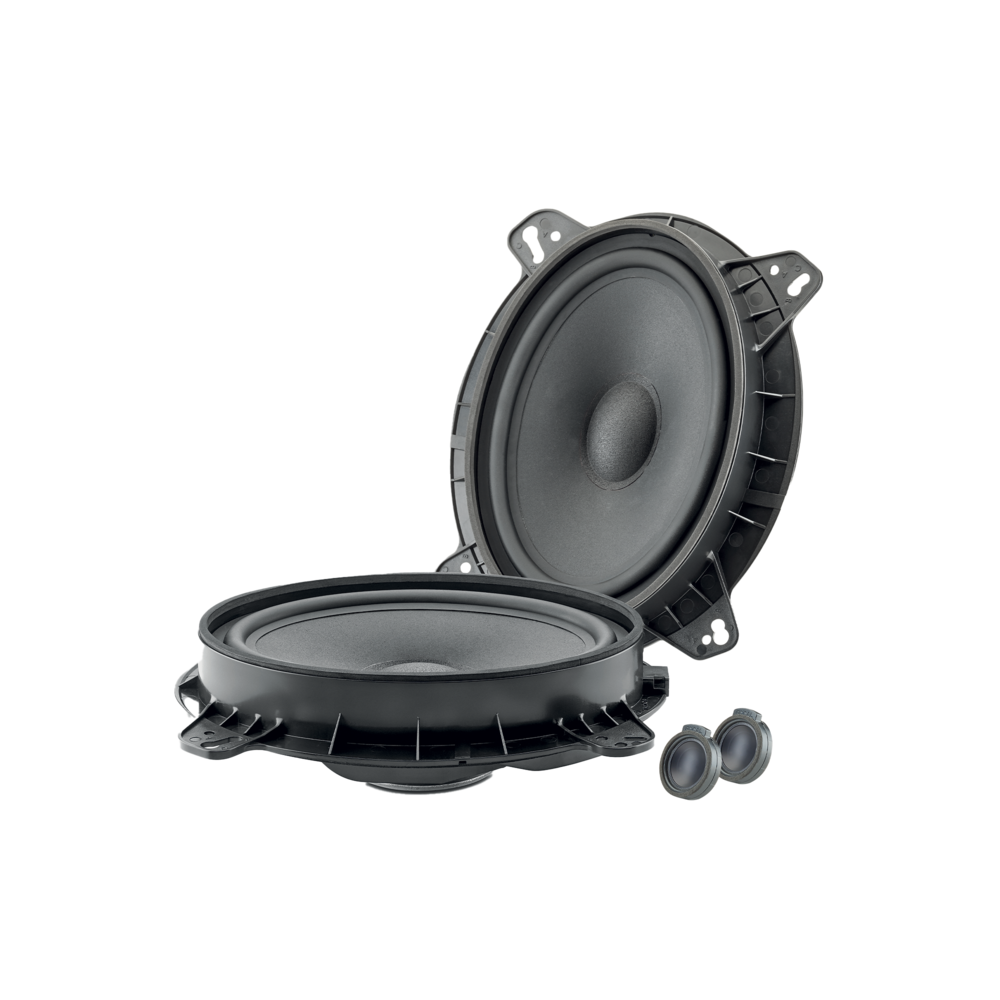
Upgrading the audio system in a Toyota FJ Cruiser can significantly enhance the driving experience, especially for off-road enthusiasts who value quality sound during adventures.
While the factory speakers deliver decent audio, many owners seek improved clarity, depth, and volume, starting with the rear speakers. Installing new rear speakers in an FJ Cruiser is a straightforward project that requires basic tools and minimal technical knowledge.
This guide provides a step-by-step overview of the process, including selecting compatible speakers, removing interior panels, wiring connections, and ensuring a secure fit. With the right components and careful installation, you can achieve balanced, immersive sound throughout the cabin.
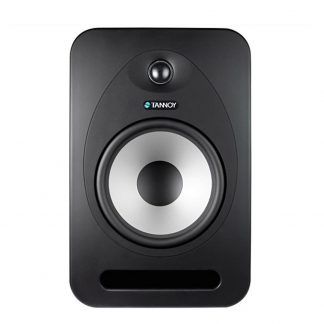 Sterling Mx3 Studio Monitors
FJ Cruiser Rear Speaker Installation: A Complete Guide
Installing rear speakers in a Toyota FJ Cruiser can significantly enhance the vehicle’s audio quality, especially for passengers in the back seats. The FJ Cruiser’s unique rear cargo area layout and factory speaker setup present both challenges and opportunities during an upgrade.
Most models come with basic 6.5-inch rear speakers mounted in the back cargo panel, which can be replaced with higher-quality aftermarket units that offer better clarity, bass response, and overall sound performance. The process involves removing interior trim panels, disconnecting factory wiring, and connecting new speakers—tasks that require careful handling to avoid damaging interior components.
With the right tools, compatible audio equipment, and basic knowledge of car audio systems, most enthusiasts can complete this upgrade in under two hours. This guide walks through the necessary steps, tools, and tips to help ensure a successful rear speaker installation in your FJ Cruiser.
Tools and Materials Needed for FJ Cruiser Rear Speaker Upgrade
To successfully install new rear speakers in a Toyota FJ Cruiser, gather the essential tools and materials before beginning the project.
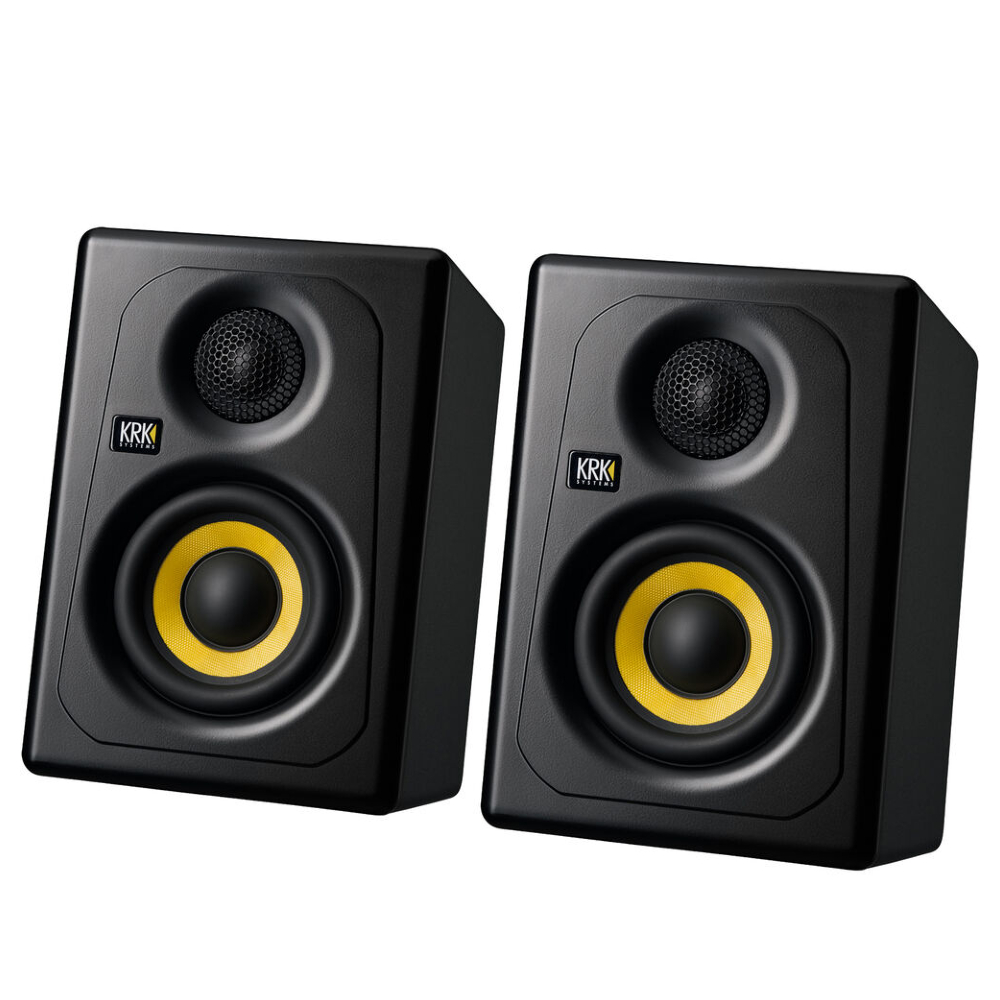 Best Studio Monitors Under $200
You’ll need a trim removal tool or a flathead screwdriver with a cloth wrap to avoid scratching surfaces, a socket wrench or ratchet set (usually 10mm sockets), wire strippers or crimping tools, and possibly a wiring harness adapter if your new speakers don’t directly connect to the factory harness. Other helpful items include electrical tape, butt connectors or soldering equipment for secure connections, and a multimeter to identify positive and negative wires.
Most aftermarket speakers come with installation hardware, but checking compatibility for mounting depth, impedance, and speaker size (typically 6.5 inches) is crucial to avoid interference with internal components. Having all materials on hand streamlines the installation and reduces the chance of damaging the vehicle’s interior.
Step-by-Step Installation Process for Rear Speakers
Begin the installation by disconnecting the negative terminal of the vehicle’s battery to prevent any electrical shorts. Next, remove the plastic trim panels covering the rear speaker locations—these are held by plastic clips and usually start at the bottom near the tailgate.
Use a trim tool to gently pry each section, working your way around the edges. Once the panels are off, disconnect the factory speaker wiring harness or unplug the connector and unscrew the three mounting bolts securing the stock speaker. Carefully pull out the old speaker and set it aside.
 Best Studio Monitors Under 2000
Connect the new speaker to the wiring harness, ensuring that the positive (+) and negative (-) terminals match to maintain proper phase and sound quality. Secure the new speaker with the original screws or supplied hardware, reattach the trim panel, and repeat for the other side. Reconnect the battery and test the audio system before fully reassembling.
Choosing the Right Speakers for Your FJ Cruiser
Selecting the correct aftermarket speakers is critical for both performance and compatibility. The FJ Cruiser's rear speaker openings are designed for 6.5-inch coaxial speakers, though some models may fit component sets with modifications.
Focus on key specifications such as power handling (RMS), sensitivity (measured in dB), and frequency response to ensure optimal sound output from your head unit or amplifier. Speakers with higher sensitivity (90 dB or more) perform better with factory stereos that have limited power output.
Look for models with polypropylene cones and rubber surrounds for durability and resistance to temperature changes—important in a vehicle often used for off-road adventures. Brands like JL Audio, Kenwood, and Polk Audio offer FJ-compatible speakers with enhanced bass and clarity. Always verify fitment using online vehicle-specific databases or manufacturer guides before purchasing.
 Best Trs To Xlr Cable For Studio Monitors
| Speaker Feature | Recommended Specification | Why It Matters |
|---|---|---|
| Size | 6.5 inches | Ensures direct fit without requiring custom mounting rings or modification |
| Impedance | 4 ohms | Compatible with most factory and aftermarket head units and amplifiers |
| Power Handling (RMS) | 40-75 watts per speaker | Matches factory output while allowing headroom for future amplifier upgrades |
| Sensitivity | 88 dB or higher | Delivers louder, clearer sound with minimal power input |
| Mounting Depth | Less than 2.5 inches | Prevents interference with internal body components behind the panel |
Frequently Asked Questions
What tools are needed to install rear speakers in a FJ Cruiser?
Basic tools for installing rear speakers in a FJ Cruiser include a trim removal tool, Phillips and flathead screwdrivers, wire strippers, crimpers, and electrical tape.
You may also need a socket wrench for accessing certain panels. Having these tools ensures safe removal of interior panels and proper connection of speaker wires without damaging the vehicle’s interior or electrical system.
What speaker size fits the rear of a FJ Cruiser?
The rear speakers in a FJ Cruiser typically fit 6.5-inch or 6x8-inch speakers. Always verify compatibility by checking the factory speaker specifications or measuring the existing speaker opening.
Universal-fit speakers designed for Toyota models often work well. Confirm the depth and mounting dimensions to ensure a secure fit without interference from nearby components behind the panel.
 Bi Amplified Studio Monitors
Do I need an amplifier for rear speakers in my FJ Cruiser?
An amplifier is not required but enhances sound quality and volume for rear speakers in a FJ Cruiser. The factory stereo can power aftermarket speakers, but an amp provides better clarity and dynamics, especially with higher-performance speakers. If you want a richer audio experience or are installing component speakers, adding an amplifier is recommended for optimal performance.
Can I install rear speakers in my FJ Cruiser myself?
Yes, most people can install rear speakers in a FJ Cruiser with basic tools and moderate DIY skills. The process involves removing interior panels, disconnecting factory speakers, wiring new ones, and reassembling the panels. Online guides and videos can assist. If you're uncomfortable with wiring or vehicle modifications, professional installation ensures safety and proper results.
Leave a Reply