
Best dj speakers for home use

Choosing the best DJ speakers for home use means balancing powerful sound, compact design, and seamless connectivity.
Whether you're spinning tracks, hosting parties, or producing music, the right speakers can transform your space into a dynamic audio environment. Modern home DJ setups demand clarity, deep bass response, and durability without overwhelming the room.
From active to passive configurations, Bluetooth to RCA inputs, today’s top models offer versatility and high-performance features tailored for personal use. This guide explores the leading options available, focusing on sound quality, ease of use, and value, ensuring you find the ideal speakers to elevate your home audio experience.
 Best tv speakers 2025
Top DJ Speakers for Home Use: Performance, Power, and Precision
Choosing the best DJ speakers for home use requires balancing sound quality, output power, room compatibility, and connectivity options. Whether you're a beginner exploring turntablism or a seasoned DJ practicing mixes at home, investing in professional-grade active (powered) speakers ensures accurate sound reproduction and reliable performance.
Unlike standard home audio systems, DJ speakers are designed to handle high volumes without distortion, reproduce deep bass, and provide clear mids and highs—critical for beatmatching and EQ adjustments.
Models like the JBL 305P MKII, Yamaha HS8, and KRK Rokit 8 G4 are frequently recommended due to their flat frequency response, durable construction, and optimized portability for small to medium-sized rooms. Most modern DJ monitors feature RCA and XLR inputs, rear-panel EQ controls, and acoustic adjustment settings to adapt to different room environments.
Key Features to Consider in Home DJ Speakers
When selecting DJ speakers for home setups, several technical specifications influence your overall experience. First, power output (measured in watts) determines how loud and clear the audio remains at higher volumes; models offering 100W to 300W per speaker are ideal for home studios.
 Best wireless speakers 2025
Frequency response is another critical factor—aim for a range between 40Hz and 20kHz to ensure deep bass and crisp highs. Additionally, look for speakers with bi-amping, where separate amplifiers drive the woofer and tweeter for improved clarity and dynamic range.
Connectivity options such as XLR, TRS, and RCA inputs provide compatibility with DJ controllers, mixers, and audio interfaces. Lastly, consider the cabinet design: ported enclosures enhance bass response, while features like thermal protection and over-drive indicators help safeguard your investment during extended sessions.
Top-Rated DJ Speakers for Small and Medium Home Studios
Several speaker models stand out for their performance in home-based DJ environments. The Electro-Voice ZLX-12P delivers impressive 1000W peak power and a 12-inch woofer, making it suitable for larger home spaces or live simulation setups.
For more compact needs, the PreSonus Eris E4.5 offers excellent value with Bluetooth connectivity, dual amplification, and a balanced, transparent sound profile ideal for detailed mixing. The QSC K.2 Series K8 is a favorite among professionals for its 900 watts of peak power, versatile DSP controls, and remarkably clear audio dispersion—perfect for precise monitoring.
 Best active speakers 2025
Each of these models supports front-panel volume control and includes mounting points for stands, increasing flexibility in room placement. Depending on room size and budget, these options provide outstanding clarity, durability, and bass response essential for accurate DJ performance.
How Room Acoustics Affect Your DJ Speaker Performance
Even the best home DJ speakers can underperform if room acoustics aren't taken into account. Hard surfaces like bare walls, glass, and wooden floors cause sound reflections that result in echoes, phase cancellation, and bass buildup, distorting your audio mix.
To mitigate this, place speakers at ear level in an equilateral triangle formation with your listening position, and avoid positioning them flush against walls to minimize low-frequency resonance. Using acoustic panels, bass traps, and sound diffusers helps absorb unwanted reflections and balance the soundstage.
Additionally, many modern DJ speakers include room compensation switches (like HF/Satelite or Desk/Dark adjustments) to tailor frequency output based on placement. Proper speaker isolation pads also decouple the monitors from desks or stands, reducing vibrations and improving overall audio accuracy.
 Best budget bookshelf speakers 2025
| Speaker Model | Power Output (Watts) | Frequency Response | Key Features |
|---|---|---|---|
| JBL 305P MKII | 80W (bi-amped) | 43Hz – 24kHz | Waveguide design, Class D amplification, XLR/TRS/RCA inputs |
| Yamaha HS8 | 120W (bi-amped) | 38Hz – 30kHz | White cone woofer, room control, high accuracy, studio standard |
| KRK Rokit 8 G4 | 145W (bi-amped) | 36Hz – 40kHz | Onboard DSP, multi-band EQ, colored response, front-firing port |
| QSC K8 | 2000W peak (900W continuous) | 55Hz – 20kHz | DSP-controlled, lightweight, versatile mounting, 90° x 60° coverage |
| PreSonus Eris E4.5 | 54W (bi-amped) | 60Hz – 20kHz | Bluetooth, acoustic tuning controls, compact desktop design |
Best DJ Speakers for Home Use: A Comprehensive Buyer’s Guide
Which is better for home DJ setups: active or passive speakers?

Sound Quality and Signal Integrity
Active and passive speakers differ significantly in how they handle audio signals, which directly affects sound quality in a home DJ setup. Active speakers feature built-in amplifiers that are precisely matched to the drivers, resulting in optimized performance and reduced signal loss. Because the amplifier is internal, the signal path is shorter and more controlled, reducing interference and distortion.
In contrast, passive speakers require an external amplifier, which introduces more variables in sound reproduction—such as impedance mismatches and cable quality—that can degrade the audio. For home DJs seeking consistent and accurate sound, active speakers often provide superior clarity and dynamic range.
- Active speakers use dedicated internal amplifiers for each driver, enhancing audio precision.
- The integrated design minimizes signal degradation between components.
- Passive systems rely on external amplifiers, increasing the risk of signal inconsistencies.
Setup Complexity and Space Requirements
The ease of setup is a major consideration for home DJs, especially in limited or multifunctional spaces. Active speakers are typically plug-and-play—requiring only a power source and input signal—making them ideal for compact setups. They eliminate the need for a separate amplifier rack, saving floor space and reducing cable clutter.
 Best car audio speakers 2025
Passive speakers, however, require additional equipment such as power amplifiers and sometimes external crossovers, increasing both setup time and space demands. This complexity can be a barrier for beginners or those with minimal room, making active speakers a more practical solution in most home environments.
- Active speakers reduce equipment count by combining amplification and drivers in one unit.
- Less cabling is required, simplifying installation and improving aesthetics.
- Passive systems demand extra hardware, complicating setup and consuming more space.
Customization and Upgrade Flexibility
For DJs looking to tweak their systems over time, passive speakers offer greater flexibility in component selection and tuning. Since amplification is external, users can experiment with different amplifier brands or models to achieve a desired sound signature. Additionally, passive systems allow for easier driver or crossover upgrades without replacing the entire speaker enclosure.
However, this level of customization comes at the cost of convenience and requires a deeper knowledge of audio electronics. Active speakers, while less modular, are engineered as complete systems, ensuring balanced performance but limiting user modifications. This trade-off favors passive systems for audiophiles and tech-savvy DJs interested in long-term system evolution.
- Passive speakers allow users to swap amplifiers for tailored sonic characteristics.
- Component-level upgrades such as crossovers or drivers are more accessible with passive designs.
- Active speaker systems are closed units, restricting hardware modifications but ensuring consistent performance.
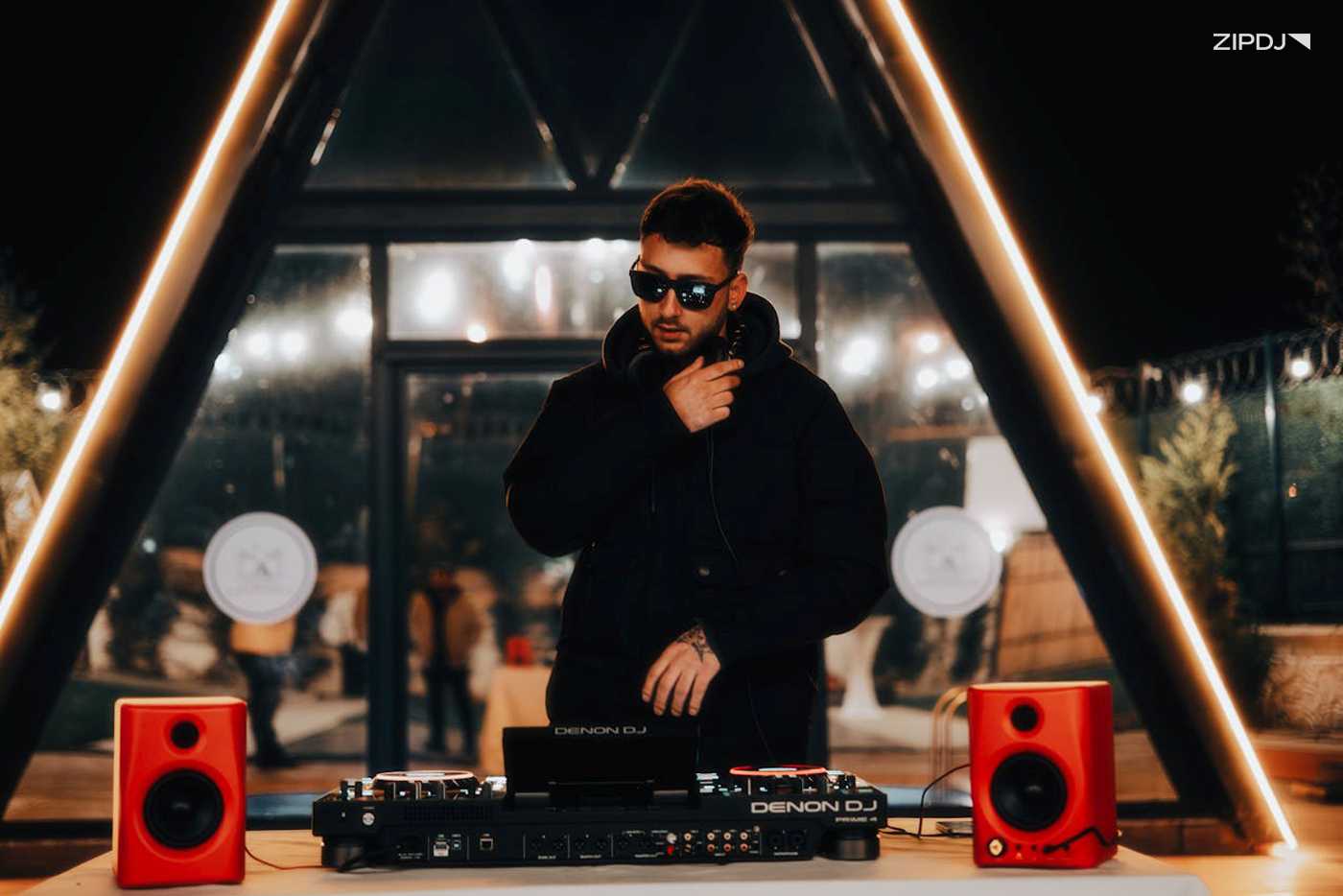
Is Earning $100 Per Hour Typical for a DJ Using High-Quality Home DJ Speakers?
 Best center channel speakers 2025
What Factors Actually Determine a DJ's Hourly Earnings?
A DJ's ability to earn $100 per hour is influenced by multiple factors beyond their audio equipment. While using high-quality home DJ speakers may enhance practice and skill development, professional income is primarily dictated by market demand, experience, reputation, and the type of gig. Entry-level DJs at small private events might only earn $30 to $50 per hour, whereas seasoned performers at clubs, weddings, or corporate events in major cities can command $100 or more.
The venue’s budget, event scale, and the DJ’s ability to engage a crowd also play significant roles. Furthermore, branding, online presence, and client reviews often determine booking frequency and pay rates. Ultimately, gear quality supports performance but doesn’t directly translate to income.
- Experience and reputation in the local or regional market significantly affect how much a DJ can charge per event.
- The type of event—such as weddings, clubs, festivals, or corporate parties—impacts pay scales due to varying budgets and audience expectations.
- Geographic location matters, as DJs in metropolitan areas like Los Angeles, New York, or London typically earn more than those in smaller towns.
Does Equipment Quality Correlate with Earning Potential?
High-quality home DJ speakers are useful for monitoring sound accurately during practice and music production but do not directly increase a DJ's hourly fee. Professional gigs require venue-grade sound systems, which are typically provided by event organizers or rented through AV companies.
A DJ’s role is to mix and perform, not to supply large-scale audio infrastructure. While using premium gear at home may help refine mixing skills, transitions, and beat matching, it’s the DJ’s performance ability and brand that clients pay for, not their personal equipment. In fact, many successful DJs use standard controllers and rely on professional sound teams onsite. The real value lies in music selection, crowd interaction, reliability, and professionalism.
 Best column array speakers 2025
- Home speakers enhance practice quality but are rarely used during paid performances, where commercial sound systems are standard.
- Investing in expensive gear does not guarantee higher pay; clients assess the overall experience, not technical setup at home.
- Top-performing DJs often use mid-range gear and focus on mixing skill, branding, and client satisfaction to justify premium rates.
How Do DJs Reach a $100 Per Hour Rate?
Reaching a rate of $100 per hour typically requires years of consistent work, networking, and brand building. DJs who earn this amount usually have a strong portfolio, social media presence, and a track record of successful events. They often specialize in high-demand niches such as luxury weddings, corporate entertainment, or nightclub residencies.
Additionally, they may offer value-added services like lighting setups, MC duties, or custom playlists. Many also operate through agencies or have established relationships with wedding planners and event coordinators, giving them access to higher-paying clients. Pricing at this level is also supported by professional marketing materials, contracts, and reliable equipment for performances—though not necessarily premium home speakers.
- DJs build credibility by gathering client testimonials, high-quality video reels, and a polished online portfolio to support premium pricing.
- Networking with event planners, venues, and other entertainers opens doors to better-paid opportunities and recurring bookings.
- Providing a comprehensive entertainment package—including lighting, sound engineering, or coordination—justifies higher hourly rates.
Frequently Asked Questions
What are the best DJ speakers for home use?
The best DJ speakers for home use include models like the JBL 305P MkII, KRK Rokit 5, Yamaha HS5, and ADAM Audio T5V. These offer accurate sound reproduction, solid bass response, and compact designs suitable for small spaces. They support long listening sessions without fatigue and connect easily to DJ controllers or audio interfaces, making them ideal for practicing mixes and producing music at home.
Do I need active or passive speakers for home DJing?
Active speakers are recommended for home DJing because they have built-in amplifiers, requiring fewer additional components and simplifying setup. They provide balanced sound output and are easier to connect directly to mixers or audio interfaces. Passive speakers require external amplifiers, adding complexity and cost. For most home setups, active speakers deliver better convenience, space efficiency, and consistent performance, making them the preferred choice for DJs.
How important is speaker size for home DJ setups?
Speaker size affects sound quality and bass response, but size must match room dimensions. For most home DJ setups, 5 to 8-inch drivers strike the best balance between deep bass and clarity. Larger speakers may cause sound distortion in small rooms due to bass buildup. Compact speakers are easier to position correctly and fit better in limited spaces. Choosing the right size ensures accurate monitoring and prevents ear fatigue during long mixing sessions.
Can I use regular Bluetooth speakers for DJing at home?
Regular Bluetooth speakers are not ideal for DJing because they introduce audio latency, compress sound quality, and lack precise frequency response. DJing requires real-time cueing and beat matching, which demand stable, low-latency wired connections. Bluetooth speakers also often emphasize bass or treble, making it hard to judge mixes accurately. For serious practice or production, powered studio monitors with wired inputs provide the accuracy and reliability needed for professional results.
Leave a Reply