
Class A Amplifier Car Audio

Class A amplifier car audio systems represent the pinnacle of sound fidelity in mobile entertainment. Known for their superior signal accuracy and minimal distortion, Class A amplifiers operate by keeping the output transistors constantly powered, ensuring a smooth and continuous audio signal.
While this design delivers rich, warm sound quality favored by audiophiles, it comes with higher power consumption and increased heat generation. Despite their inefficiency compared to other amplifier classes, Class A amplifiers remain the top choice for listeners who prioritize audio purity above all else. Their application in car audio continues to grow as technology improves thermal management and efficiency.
Understanding Class A Amplifier Technology in Car Audio Systems
Class A amplifiers represent one of the most sonically accurate amplifier designs used in car audio, prized for their superior sound quality and minimal signal distortion.
 Ceiling Speaker Wire Installation
In a Class A setup, the output transistors remain continuously active, conducting the full audio waveform cycle without turning off, which ensures a clean and linear reproduction of sound. This constant state of operation, however, comes at the cost of high power consumption and significant heat generation, making Class A amplifiers less common in vehicles where space and energy efficiency are crucial.
Despite these drawbacks, audiophiles seeking high-fidelity audio reproduction often favor Class A amplifiers for their ability to deliver warm, rich tonal characteristics and exceptionally low total harmonic distortion (THD). In car audio applications, their usage is typically limited to smaller amplifier modules or preamplifier stages rather than full-scale power amplification due to thermal and efficiency constraints.
How Class A Amplifiers Work in Car Audio Environments
In car audio systems, Class A amplifiers operate by keeping the output devices (usually transistors) in a constant on state, ensuring that the entire audio signal is amplified without interruption.
This method eliminates crossover distortion, a common issue in other amplifier classes like Class B or AB, where the signal is split between two transistors that alternate conducting positive and negative halves of the waveform. Because Class A amplifiers handle the full waveform, they provide exceptional linearity and smooth frequency response, essential for high-end audio reproduction.
 Best Buy Speaker Installation Appointment
However, this continuous operation causes them to dissipate excess energy as heat, often requiring large heatsinks and robust thermal management—challenges in confined automotive spaces. Despite these limitations, their unmatched audio purity makes them ideal for critical listening applications in luxury or custom car audio installations.
Advantages of Using Class A Amplifiers in Vehicles
The primary advantage of utilizing a Class A amplifier in car audio is superior sound fidelity. Since the amplifier operates in a linear region at all times, it delivers a cleaner, more accurate signal with lower distortion levels, particularly at low volume levels where other amplifier classes may introduce noise or artifacts.
Audiophiles appreciate the warmth and natural tonality Class A amplifiers add to music, making them ideal for genres that require nuanced sound representation, such as jazz or classical.
Additionally, the absence of switching elements makes these amplifiers inherently free of switching noise, contributing to a more transparent audio experience. Although not practical for high-power subwoofers due to inefficiency, Class A amplifiers are excellent choices for tweeters and midrange drivers where sonic precision is paramount.
 Best Buy Speaker Installation Car
Challenges and Limitations of Class A Design in Automotive Use
Despite their sonic excellence, Class A amplifiers face significant hurdles in car audio applications, primarily due to low efficiency, typically around 20-30%, meaning a majority of the power drawn from the car’s electrical system is lost as heat.
This inefficiency demands robust cooling solutions and can strain the vehicle's alternator and battery, especially during prolonged use. The excessive heat output also increases the risk of component degradation or failure if not properly managed.
Moreover, their larger physical size and higher cost compared to Class D or AB amplifiers make them less feasible for mass-market installations. As a result, Class A amplifiers are usually reserved for high-end, niche car audio systems where sound quality is prioritized over practicality and power economy.
| Feature | Class A Amplifier | Typical Use in Car Audio |
|---|---|---|
| Efficiency | 20-30% | Low; not suitable for high-power applications |
| Sound Quality | Excellent linearity, low THD | Preferred for high-fidelity component speakers |
| Heat Output | Very high | Requires large heatsinks and ventilation |
| Power Consumption | Constant high draw | May affect vehicle electrical system |
| Best Application | Tweeters, midranges, preamps | Luxury or custom audiophile setups |
Class A Amplifier Car Audio: A Comprehensive Guide to Performance and Efficiency
What defines a Class A car audio amplifier and how does it differ from other amplifier classes?
 Best Buy Speaker Installation Cost
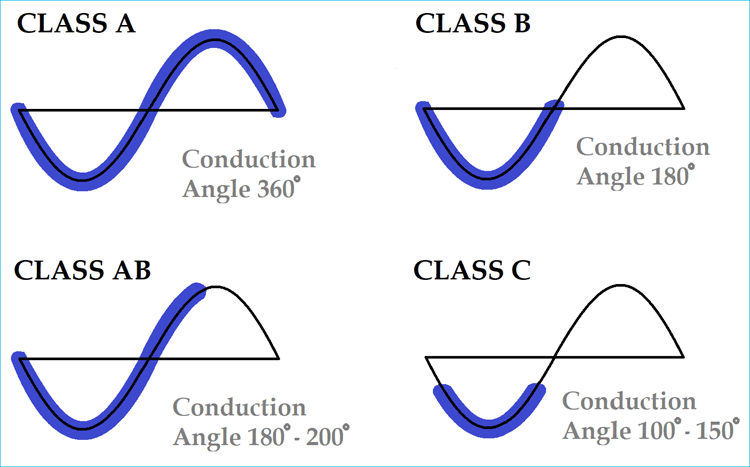
A Class A car audio amplifier is defined by its design and operation, where the output transistors are continuously conducting current throughout the entire audio signal cycle, regardless of whether an input signal is present. This ensures that the amplifier reproduces the full waveform accurately and consistently, resulting in extremely low distortion and high linearity.
However, because the transistors are always on, Class A amplifiers generate significant heat and are highly inefficient, typically achieving only 20-30% efficiency. This inefficiency makes them less practical for car audio applications, where electrical power is limited and heat dissipation can be challenging. Despite this, they are appreciated in niche audiophile circles for their warm sound and transparent signal reproduction.
Operating Principle of Class A Amplifiers
- The fundamental characteristic of a Class A amplifier is that its output transistors remain in the active region at all times, meaning they conduct current 100% of the time, even when there is no audio input signal.
- This continuous biasing avoids crossover distortion, which occurs in other classes when transistors switch on and off, thus preserving signal integrity and delivering smooth, natural sound.
- Due to this constant operation, the amplifier requires a high quiescent current, which leads to substantial heat generation and necessitates robust heat sinks and continuous power consumption.
Comparison with Class B and Class AB Amplifiers
- Class B amplifiers use two transistors, each handling one half of the audio waveform—positive and negative—turning on and off as needed, which improves efficiency but introduces crossover distortion at the zero-crossing point of the signal.
- To balance performance and efficiency, Class AB amplifiers slightly bias both transistors so they overlap slightly around the crossover point, reducing distortion while maintaining better efficiency than Class A—typically 50-60%.
- In contrast, Class A amplifiers avoid this trade-off altogether by staying fully on, providing superior sound quality but consuming significantly more power and producing far more heat than either Class B or AB designs.
Efficiency and Practicality in Car Audio Systems
- Class A amplifiers are rarely used in mainstream car audio setups due to their low efficiency—most of the electrical energy is wasted as heat rather than converted into sound, placing a heavy load on the vehicle’s electrical system.
- Car environments are space-constrained and subject to temperature fluctuations, making the large heat sinks and ventilation required for Class A amplifiers impractical for installation in most vehicles.
- Additionally, the high current draw can deplete the car battery quickly, especially with prolonged use, making Class A amplifiers more suitable for home audio or high-end specialty installations rather than mobile applications.
Are Class A amplifiers suitable for car audio systems?

Yes, Class A amplifiers can technically be used in car audio systems, but they are generally not considered ideal for most vehicle applications due to specific performance and practical limitations.
 Best Buy Speaker Installation Fee
While they offer excellent sound quality with minimal distortion because the output transistors remain on throughout the entire audio cycle, their low efficiency and high power consumption make them less practical in a car environment.
The inefficiency results in significant heat generation, requiring large heatsinks and robust thermal management, which are challenging to accommodate in the confined space of a vehicle. Additionally, Class A amplifiers draw constant current from the car's electrical system, which can strain the battery and alternator, especially during prolonged use.
Sound Quality and Linearity
- Class A amplifiers provide exceptional audio fidelity due to their design, where the output devices conduct current continuously, eliminating crossover distortion that can occur when transistors switch on and off.
- This constant biasing ensures smooth transitions between waveform halves, resulting in a more natural and detailed sound reproduction, which audiophiles often prefer.
- In a car environment where background noise and vibrations are common, the clean output of a Class A amplifier can help maintain clarity and precision, especially in high-end listening setups.
Heat Generation and Efficiency Issues
- Class A amplifiers typically operate at around 20-30% efficiency, meaning a large portion of the input power is dissipated as heat rather than converted into audio output.
- In the enclosed and temperature-sensitive environment of a car, excessive heat can damage nearby electronics, degrade amplifier components, and even affect cabin comfort.
- Managing this heat requires substantial heatsinking and ventilation, which are difficult to implement effectively in limited vehicle spaces, making thermal management a significant drawback.
Power Consumption and Electrical System Compatibility
- These amplifiers draw a constant current regardless of the audio signal level, which places a continuous load on the car’s battery and charging system.
- During periods of engine-off listening (also known as passenger mode), a Class A amplifier can quickly drain the battery due to sustained power draw, limiting usable listening time.
- This high current demand may necessitate upgrades to the vehicle’s alternator, battery, and wiring system to maintain stable voltage and prevent dimming lights or system shutdowns.
Is a Class A amplifier superior to Class AB for car audio applications?
Efficiency and Power Consumption: A Critical Comparison
- Class A amplifiers are known for their high inefficiency, typically converting only about 20-30% of the input power into usable audio output, with the rest being lost as heat. This makes them particularly ill-suited for car environments where electrical systems have limited power capacity and thermal management is challenging.
- In contrast, Class AB amplifiers operate with significantly better efficiency—usually between 50% and 70%—by biasing the output transistors so that each one conducts for slightly more than half of the waveform cycle. This design reduces power waste and minimizes excess heat generation.
- For car audio applications, where power is drawn from the vehicle's battery and alternator, efficiency is crucial. The lower power demands and reduced thermal load of Class AB amplifiers make them far more practical and reliable choices for mobile installations.
Sound Quality and Linearity Characteristics
- Class A amplifiers are often praised for their exceptional linearity and low harmonic distortion because the output devices remain conducting throughout the entire signal cycle, eliminating crossover distortion. This results in very smooth and natural sound reproduction, which audiophiles may prefer in ideal conditions.
- However, in real-world car environments—where road noise, cabin acoustics, and speaker quality significantly affect perceived audio quality—the theoretical sonic advantages of Class A are often imperceptible. Most listeners cannot distinguish the subtle improvements in linearity while driving.
- Modern Class AB amplifiers have been engineered with tight biasing, high-quality components, and feedback circuits that greatly minimize crossover distortion. As a result, they deliver high-fidelity audio performance that rivals Class A while maintaining practical benefits.
Thermal Management and Physical Installation Constraints
- Because Class A amplifiers operate in full-on mode at all times, they generate substantial heat even at idle. This necessitates large, heavy heatsinks and often active cooling systems, which are difficult to accommodate in the tight and temperature-variable spaces of a vehicle.
- Excessive heat buildup can lead to premature component failure, reduced amplifier lifespan, and potential safety risks in enclosed automotive environments. The continuous thermal stress requires robust thermal design, increasing both cost and size.
- Class AB amplifiers generate significantly less heat under normal operating conditions and remain thermally stable over long listening sessions. Their compact and lightweight designs allow for flexible mounting options within a car, making them a more viable solution for both performance and installation practicality.
What are the drawbacks of using a Class A amplifier in car audio systems?

Low Efficiency and Excessive Heat Generation
One of the primary drawbacks of using a Class A amplifier in car audio systems is its inherently low efficiency, typically ranging between 20% and 30%. This means that a significant portion of the electrical energy drawn from the car’s power supply is converted into heat rather than being used to produce sound.
 Best Buy Speaker Installation Price
Due to this inefficiency, Class A amplifiers require large heat sinks and sufficient ventilation to prevent overheating, which can be challenging in the confined space of a vehicle. The excessive heat not only stresses the amplifier components but can also affect nearby electronic systems in the car. Managing this thermal load increases both the complexity and cost of integrating such amplifiers into automotive environments.
- Only about 20–30% of input power is converted into audio output, wasting the rest as heat.
- Requires bulky heat sinks and effective cooling solutions, increasing amplifier size.
- Sustained operation at high power levels can lead to thermal shutdown or component failure.
High Power Consumption and Battery Drain
Class A amplifiers are continuously conducting current, even when no audio signal is present, which results in constant power draw from the vehicle’s electrical system. This continuous operation significantly increases the load on the car battery and alternator, especially during extended use or when the engine is off. In car audio applications, where power supply is limited compared to home audio systems, this constant drain can lead to a discharged battery or voltage drops that affect other vehicle electronics. Additionally, installing a Class A amplifier may necessitate upgrades to the car’s electrical system, such as a higher-output alternator or additional batteries, to ensure stable performance.
- Draws full power continuously, regardless of audio output level.
- Increases the risk of draining the car battery, particularly during long listening sessions.
- May require electrical system modifications to support stable operation.
Large Size and Limited Space Compatibility
Due to the need for extensive heat dissipation and robust power supply components, Class A amplifiers are typically larger and heavier than amplifiers from other classes such as Class D or Class AB. In car audio installations, space is often at a premium, and the bulkiness of Class A amplifiers makes them impractical for many vehicles. Their size not only complicates installation but also limits placement options, often requiring custom mounting solutions. This lack of compact design makes Class A amplifiers less favorable for modern car audio systems, where consumers prioritize space-saving and streamlined integration.
- Physical dimensions are larger due to heat sinks and internal components.
- Few suitable mounting locations in standard vehicle trunks or under seats.
- Installation often requires custom fabrication, increasing labor and cost.
Frequently Asked Questions
What is a Class A amplifier in car audio systems?
A Class A amplifier in car audio operates by keeping the output transistors always on, ensuring minimal distortion and high sound fidelity. It reproduces audio signals with exceptional accuracy, making it ideal for audiophiles. However, it is less efficient than other amplifier classes because it continuously consumes power, even without an audio signal, leading to significant heat generation and higher electrical load on the vehicle.
 Best Buy Speaker Installation Review
How does a Class A amplifier improve sound quality in cars?
A Class A amplifier enhances sound quality by delivering smooth, linear audio output with very low harmonic distortion. Since the transistors remain on at all times, there’s no switching noise or crossover distortion common in other amplifier types. This results in warm, natural, and detailed sound reproduction, especially noticeable in vocals and acoustic instruments, providing a superior listening experience for high-fidelity car audio enthusiasts.
Are Class A amplifiers suitable for all car audio setups?
Class A amplifiers are best suited for high-end car audio systems where sound quality is prioritized over efficiency. Due to their high heat output and power consumption, they may not be practical for installations with space or electrical constraints. They are ideal for powering front speakers or subwoofers in premium systems but require proper ventilation and robust electrical support to perform reliably.
Why are Class A amplifiers less efficient than other amplifier classes?
Class A amplifiers are less efficient because they constantly draw full power, regardless of audio signal level. The output transistors remain fully on, dissipating excess energy as heat—typical efficiency ranges from 20% to 30%. This contrasts with Class D or AB amplifiers that switch or modulate power only when needed. While less efficient, Class A designs deliver superior audio clarity and are favored in applications where sound quality is paramount.
 Best Car Speaker Installation Near Me
Leave a Reply