
Jbl Tune 770 Vs Sony Wh Ch720N
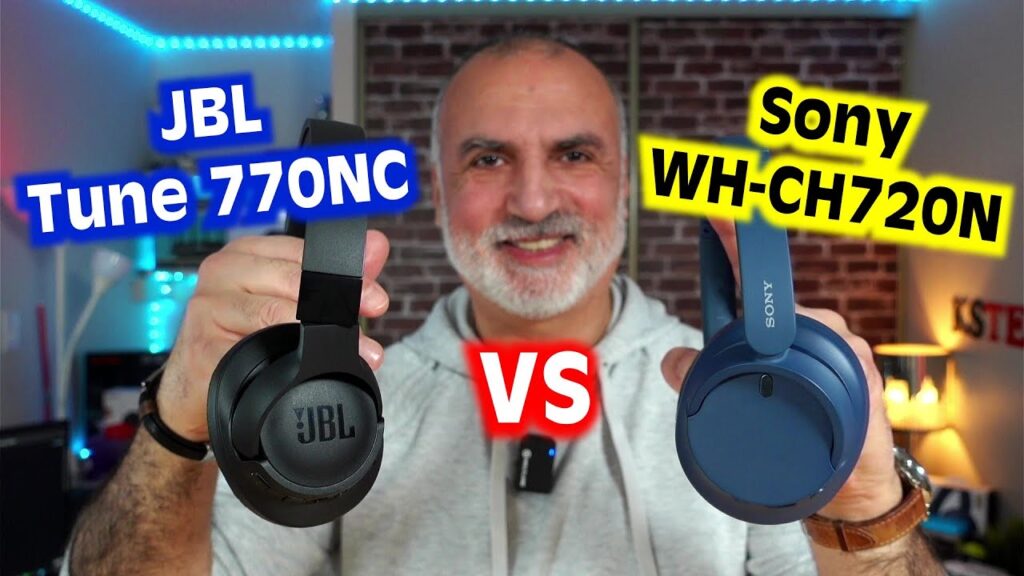
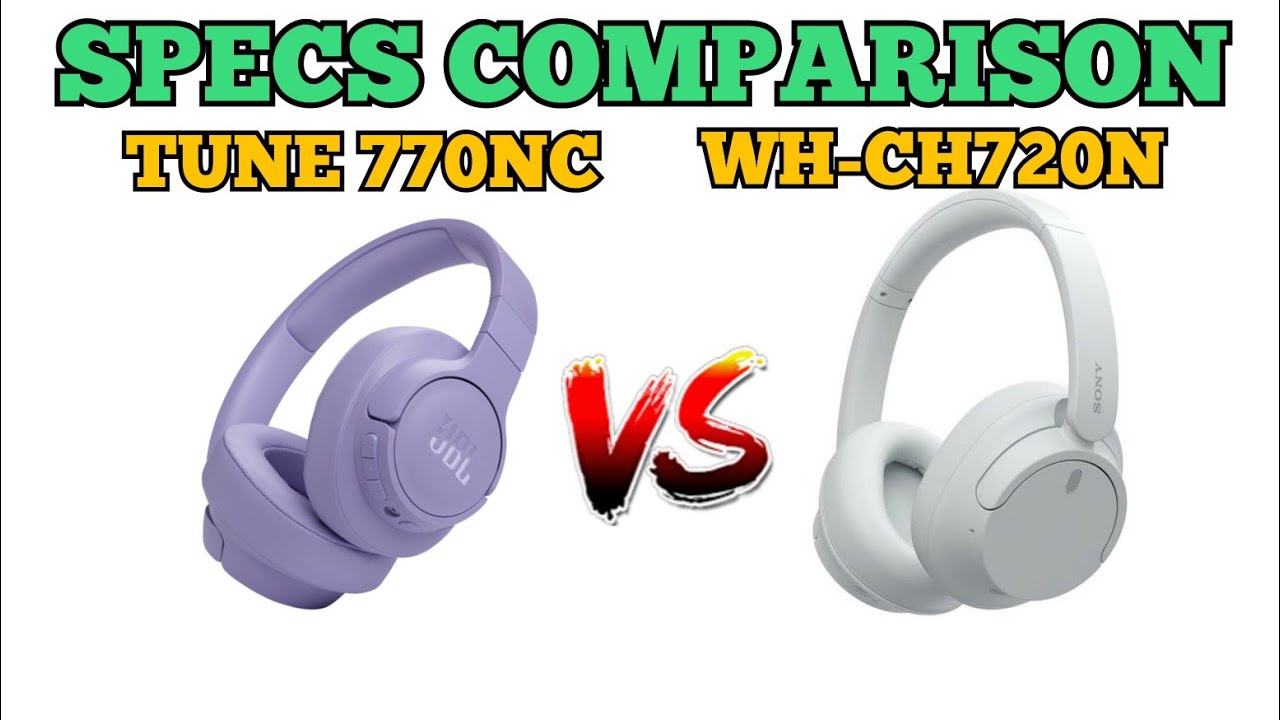
Choosing between the JBL Tune 770 and the Sony WH-CH720N can be a challenge for budget-conscious listeners seeking quality sound and reliable noise cancellation. Both headphones offer a compelling mix of modern features, including active noise cancellation, long battery life, and comfortable over-ear designs.
While the JBL Tune 770 emphasizes powerful bass and rich audio performance, the Sony WH-CH720N leverages advanced noise filtering and precise sound clarity. This comparison dives into their design, sound quality, comfort, battery efficiency, and smart features to determine which model delivers better value and overall performance for everyday users and music lovers alike.
Comparing the JBL Tune 770 vs Sony WH-CH720N: Key Differences and Features
The JBL Tune 770 and the Sony WH-CH720N are two popular mid-range wireless headphones that cater to users seeking solid sound quality, comfort, and long battery life without breaking the bank.
 Best Cheap 6.5 Speakers
While both models are designed for everyday use, they differ significantly in branding priorities, audio performance, noise cancellation capabilities, and overall design. JBL, known for its dynamic sound signature, emphasizes powerful bass and energetic audio reproduction, appealing to fans of pop, hip-hop, and electronic music.
In contrast, Sony brings its renowned engineering expertise to the WH-CH720N, integrating Adaptive Noise Cancellation and advanced sound tuning for a more balanced and immersive listening experience. Understanding their distinct strengths helps potential buyers identify which headphone aligns best with their listening habits, preferred features, and budget constraints.
Sound Quality and Audio Performance
When it comes to sound quality, the JBL Tune 770 delivers a bass-forward audio profile typical of JBL’s consumer headphones, making it an excellent choice for users who enjoy rich, punchy lows in their music.
The 40mm drivers produce clear mids and relatively crisp highs, though some listeners might find the treble slightly rolled off during complex passages. On the other hand, the Sony WH-CH720N uses 30mm drivers paired with DSEE (Digital Sound Enhancement Engine) technology, which restores compressed audio data for a more authentic listening experience.
 Best Cheap Desktop Speakers
This results in a more neutral and well-balanced sound signature that accommodates a wider range of genres, from classical to rock. Additionally, Sony's headphones support LDAC codec over Bluetooth, enabling higher bit-rate wireless audio streaming compared to the Tune 770’s standard SBC and AAC support. For audiophiles or discerning listeners, the WH-CH720N offers technically superior audio fidelity.
Noise Cancellation and Ambient Sound Modes
One of the most notable differences between the two models is their approach to noise control. The Sony WH-CH720N features Adaptive Noise Cancellation, which automatically adjusts the level of ambient sound suppression based on your environment, whether you're in a noisy subway or a quiet café. It also includes a Speak-to-Chat function that pauses music and lets in ambient sound when you start talking, enhancing convenience during conversations.
In contrast, the JBL Tune 770 offers a standard Ambient Aware mode but lacks active noise cancellation (ANC) entirely. This means users get only passive noise isolation from the earcups, making the Tune 770 less effective in loud environments. For frequent travelers or city dwellers, the Sony’s advanced noise management system provides a meaningful advantage in usability and sound immersion.
Design, Comfort, and Battery Life
Both headphones boast lightweight, on-ear designs ideal for daily wear, but there are key differences in comfort and endurance.
 What Are The Best Cheap Bluetooth Speakers
The JBL Tune 770 weighs slightly more and features plush earcups with decent clamping force, suitable for moderate use, though some users may experience discomfort after several hours. It offers an impressive 50-hour battery life with ANC off, outpacing many competitors in its class. The Sony WH-CH720N, while lighter and more compact, excels in long-wear comfort thanks to soft synthetic leather earpads and an adjustable headband.
It provides up to 35 hours of playback with ANC on, and a quick 3-minute charge can deliver up to 3 hours of use—a useful feature when you're in a hurry. In terms of build, Sony’s design feels slightly more refined and portable, folding flat for easy storage, whereas the Tune 770 has a more rigid structure. Both feature touch-free controls, but Sony integrates a broader array of smart features through its Headphones Connect app.
| Feature | JBL Tune 770 | Sony WH-CH720N |
|---|---|---|
| Active Noise Cancellation | No | Yes (Adaptive ANC) |
| Battery Life (Wireless) | Up to 50 hours (ANC off) | Up to 35 hours (ANC on) |
| Sound Technology | Bass-optimized tuning | DSEE, LDAC support |
| Charging Features | Standard USB-C (no fast charge mentioned) | 3-min quick charge = 3h playback |
| Smart Functions | Limited to basic app control | Speak-to-Chat, Adaptive ANC, App integration |
JBL Tune 770 vs Sony WH-CH720N: A Detailed Comparison of Features, Sound Quality, and Performance
JBL Tune 770 vs Sony WH-CH720N: Which Offers Better Noise Cancellation and Sound Quality?

Noise Cancellation Performance: How Do They Compare?
- The JBL Tune 770 features active noise cancellation (ANC) that effectively reduces mid to low-frequency ambient sounds, such as airplane cabin noise or consistent city traffic. While its ANC is competent for casual listening environments, it doesn't fully eliminate higher-pitched noises like voices or keyboard typing.
- In contrast, the Sony WH-CH720N employs Sony’s more advanced noise cancellation algorithm, which includes dual noise sensor technology and an AI-based noise reduction system. This allows it to adapt more precisely to different environments, offering a more immersive quiet experience overall.
- Real-world testing suggests that the WH-CH720N outperforms the Tune 770 in both depth and range of noise suppression, especially in busy urban settings or during travel. The Sony model's ability to fine-tune noise cancellation via its companion app gives users greater control and optimization compared to the JBL’s fixed ANC implementation.
Sound Quality and Audio Profile Differences
- The JBL Tune 770 delivers a sound signature typical of the brand—emphasizing bass and delivering a lively, energetic audio experience. This profile is ideal for pop, hip-hop, and electronic music but may overwhelm more nuanced genres like classical or acoustic where balance is key.
- The Sony WH-CH720N adopts a more neutral and refined sound profile by default, with clear mids and detailed highs. While it supports bass boost, its strength lies in accurate sound reproduction across frequencies, aided by Sony’s DSEE (Digital Sound Enhancement Engine) technology that upscales compressed audio files.
- With the Sony Headphones Connect app, users can customize the EQ extensively, allowing for personalized sound tuning. The JBL app offers fewer audio adjustments, limiting flexibility. As a result, the WH-720N caters better to audiophiles and listeners who value precision and clarity over exaggerated dynamics.
Build, Comfort, and Battery Impact on Listening Experience
- Both headphones feature lightweight plastic builds suitable for extended wear, but the Sony WH-CH720N uses a slightly more refined design with soft synthetic leather ear cushions and a padded headband, contributing to better long-term comfort during work or travel.
- The JBL Tune 770 has an on-ear pressure that some users find tighter over hours of use, which can lead to ear fatigue for those preferring a looser, more breathable fit. However, its build durability feels solid, with hinge mechanisms that inspire confidence in daily handling.
- Battery life also influences listening consistency—JBL advertises up to 50 hours with ANC off and 44 hours with ANC on, while Sony offers up to 35 hours with ANC enabled. Although JBL lasts longer, Sony's quick charge feature (3 minutes for 3.5 hours of playback) adds convenience for users needing fast power top-ups.
JBL Tune 770 vs Sony WH-CH720N: Which Offers Better Sound Quality and Noise Cancellation?
 Best Buy Cheap Speakers
Sound Quality Comparison: JBL Tune 770 vs Sony WH-CH720N
When comparing the sound quality of the JBL Tune 770 and the Sony WH-CH720N, several key audio characteristics come into play, including frequency response, bass performance, clarity, and overall balance.
The JBL Tune 770 emphasizes a dynamic and energetic sound signature that’s typical of JBL’s tuning philosophy, delivering strong bass presence that appeals to fans of pop, EDM, and hip-hop. While the bass is pronounced, it rarely overpowers the mids and highs, allowing for a relatively immersive listening experience. On the other hand, the Sony WH-CH720N adopts a more balanced and neutral audio profile, aiming for accuracy across musical genres.
Its audio reproduction benefits from Sony’s DSEE (Digital Sound Enhancement Engine), which upscales compressed audio files to near high-resolution quality, resulting in clearer instruments and more natural vocal reproduction. Listeners who prioritize detailed mids and crisp highs may find the Sony model more refined.
- The JBL Tune 770 offers a bass-forward sound profile ideal for energetic music but may slightly lack in subtlety for classical or acoustic genres.
- The Sony WH-CH720N provides a flatter frequency response with enhanced clarity through DSEE, making it suitable for audiophiles and varied genres.
- Both models support LDAC on Android devices, but Sony leverages this codec more effectively for higher bitrate audio streaming, enhancing sound fidelity when used with compatible sources.
Noise Cancellation Performance: How Do They Stack Up?
Active noise cancellation (ANC) is a critical factor for users seeking immersive audio in noisy environments, and here the Sony WH-CH720N holds a measurable advantage over the JBL Tune 770.
 Best Cheap 2.1 Computer Speakers
Sony employs its proprietary Integrated Processor V1, optimized for real-time ambient sound analysis and adaptive noise control. This enables the WH-CH720N to cancel out low-frequency droning sounds—such as airplane engines, air conditioners, and traffic—very effectively. Additionally, the adaptive ANC adjusts based on environmental changes, maintaining consistent performance.
The JBL Tune 770’s ANC is competent for its price range, attenuating background chatter and mid-range noise, but it struggles with deep bass frequencies and lacks adaptive intelligence. As a result, the isolation is less consistent in fluctuating environments, though passive noise blocking from its over-ear design still helps reduce ambient distractions.
- Sony WH-CH720N uses advanced adaptive ANC with dual noise sensor technology, adjusting cancellation levels based on surroundings for optimal performance.
- JBL Tune 770 delivers basic ANC suitable for office or commuting use but doesn’t adapt to changing noise environments like Sony’s solution.
- Inheadset testing, the Sony model consistently outperforms the JBL in canceling low-frequency rumble, providing a quieter listening background overall.
Design, Comfort, and Practical Listening Experience
Beyond raw audio and ANC specs, the physical design and wearing comfort significantly influence daily usability and audio perception.
The JBL Tune 770 features a traditional over-ear design with plush earcups and an adjustable headband, providing solid comfort for long listening sessions. Its earcups fully encompass the ears, contributing to passive noise isolation and enhancing the perceived depth of sound. The build quality is mostly plastic but remains lightweight and durable.
 Best Cheap 2.1 Speakers
The Sony WH-CH720N, meanwhile, adopts a sleeker, minimalist on-ear design with soft oval earpads. While lighter than the JBL, the on-ear fit may cause discomfort for some users over extended periods, especially those preferring full ear coverage.
However, Sony’s design choices improve portability, and its intuitive touch controls on the earcup offer quick access to playback and ANC adjustments. Both headsets offer similar battery life (up to 35 hours with ANC on), but Sony includes quick charging, delivering three hours of playback from a seven-minute charge, which adds convenience.
- JBL Tune 770’s over-ear design ensures better passive isolation and extended comfort, ideal for long flights or workdays.
- Sony WH-CH720N’s on-ear configuration is more compact and stylish but may press on the ears over time, affecting comfort for certain users.
- Both models offer long battery life, but Sony’s quick charge functionality gives it an edge in real-world usage, minimizing downtime.
JBL Tune 770 vs Sony WH-CH720N: Which Offers Better Sound and Features?

Sound Quality Comparison: JBL Tune 770 vs Sony WH-CH720N
When evaluating sound quality, the JBL Tune 770 and Sony WH-CH720N cater to different listener preferences due to their distinct audio tuning and driver technologies.
The JBL Tune 770 delivers a dynamic, bass-forward sound profile typical of JBL’s signature tuning, making it well-suited for fans of pop, EDM, and hip-hop music. Its 40mm drivers produce powerful low frequencies without overwhelming mids and highs, although some listeners may find the treble slightly recessed.
On the other hand, the Sony WH-CH720N utilizes LDAC support and DSEE upscaling, offering more refined and balanced audio with a stronger emphasis on clarity and detail across frequencies. The adaptive noise cancellation also contributes to a cleaner listening experience in noisy environments, which enhances overall sound precision.
- The JBL Tune 770 emphasizes strong bass response, ideal for energetic music genres.
- The Sony WH-CH720N uses advanced audio processing for greater detail and more natural sound reproduction.
- Sony’s support for high-resolution audio codecs gives it an edge for audiophiles using compatible devices.
Noise Cancellation and Environmental Performance
Noise cancellation is a strong point where the Sony WH-CH720N clearly outshines the JBL Tune 770. The Sony model features advanced ANC (Adaptive Noise Cancellation) that automatically adjusts based on the surrounding environment, significantly improving effectiveness in areas like airports, offices, or public transport.
By contrast, the JBL Tune 770 offers basic passive noise isolation and lacks active noise cancellation altogether, meaning it relies solely on physical earcup seal to block ambient sound. This makes the Sony headset more suitable for frequent travelers or commuters seeking focused audio without external disruptions. Additionally, Sony’s inclusion of a quick attention mode allows users to hear surroundings instantly by placing a hand over the earcup, a feature absent on the JBL model.
- Sony WH-CH720N includes adaptive ANC that dynamically responds to environmental noise levels.
- JBL Tune 770 has no active noise cancellation, relying only on passive isolation from its over-ear design.
- Hand-activated ambient sound mode on the Sony model enables convenient real-world interaction without removing the headphones.
Battery Life, Comfort, and Smart Features
Battery longevity and comfort are crucial for extended use, and both headphones perform well, though with notable differences in features. The JBL Tune 770 boasts an impressive battery life of up to 50 hours on a single charge with ANC disabled, surpassing many competitors.
It also supports quick charging, delivering 2 hours of playback from just 10 minutes of charging. In comparison, the Sony WH-CH720N offers up to 35 hours with ANC on, which is still competitive but not as long-lasting as the JBL.
Comfort-wise, both models feature lightweight designs and cushioned earpads, but Sony’s ergonomic adjustments and pressure distribution might appeal more to users with sensitive ears. Smart features like voice assistant integration and companion apps are available on both, but Sony’s Headphones Connect app provides deeper customization, including EQ settings and ANC optimization.
- JBL Tune 770 provides up to 50 hours of playback, giving it a clear advantage in battery endurance.
- Sony WH-CH720N offers 35 hours with ANC active, supported by intelligent power management.
- Sony’s Headphones Connect app allows granular control over sound profiles and ANC modes, enhancing user personalization.
Frequently Asked Questions
What are the key differences between the JBL Tune 770 and Sony WH-CH720N?
The JBL Tune 770 offers strong bass and physical controls, with up to 50 hours of battery life, but lacks active noise cancellation (ANC). The Sony WH-CH720N features effective ANC, a more balanced sound profile, and up to 35 hours of battery with ANC off. While the JBL is better for long playtime, the Sony excels in noise reduction and call clarity, making it more suitable for commuting or noisy environments.
Which has better sound quality, the JBL Tune 770 or Sony WH-CH720N?
The Sony WH-CH720N generally provides more balanced and detailed sound, with support for high-resolution audio codecs like LDAC via Bluetooth. It performs well across genres with clear mids and highs.
The JBL Tune 770 emphasizes bass, preferred by some for bass-heavy music, but lacks the refinement and clarity of the Sony. Overall, the Sony WH-CH720N delivers superior sound quality, especially when considering noise cancellation and audio precision.
Does the JBL Tune 770 have noise cancellation like the Sony WH-CH720N?
No, the JBL Tune 770 does not have active noise cancellation (ANC), relying solely on passive noise isolation from its over-ear design. In contrast, the Sony WH-CH720N includes effective ANC that reduces ambient noise, making it better for travel or office environments.
This is a major advantage for the Sony, especially for users who frequently use headphones in loud settings where minimizing distractions is important for focus or comfort.
How do battery lives compare between the JBL Tune 770 and Sony WH-CH720N?
The JBL Tune 770 offers up to 50 hours of playback on a single charge, significantly more than the Sony WH-CH720N’s 35 hours with ANC off and 25 hours with ANC on.
For users needing long battery life without frequent charging, the JBL is the better choice. However, the Sony compensates with fast charging—just 3 minutes gives 3 hours of playback—making it convenient for quick top-ups when time is limited.
Leave a Reply