
Live Audio Amplifier

A live audio amplifier plays a crucial role in delivering high-quality sound during concerts, public speeches, and other real-time audio events. These amplifiers are designed to boost audio signals from microphones, instruments, or playback devices to levels powerful enough to drive loudspeakers and fill large spaces with clear, distortion-free sound. Unlike standard amplifiers, live audio amplifiers must handle dynamic input, rapid volume changes, and continuous operation under demanding conditions. Modern systems often include advanced features such as built-in signal processing, thermal protection, and efficient cooling. Understanding how live audio amplifiers work is essential for sound engineers and event organizers seeking optimal acoustic performance.
Understanding Live Audio Amplifiers: The Core of Real-Time Sound Reinforcement
A live audio amplifier plays a pivotal role in any sound system designed for real-time audio reproduction, such as concerts, public address systems, broadcasting, and live performances. Unlike studio amplifiers that prioritize pristine sound quality in controlled environments, live audio amplifiers are engineered to deliver high power output, durability, and reliable performance under demanding conditions. These amplifiers take low-level audio signals from microphones, instruments, or mixing consoles and boost them to a level strong enough to drive loudspeakers effectively. Modern live audio amplifiers often include built-in signal processing features like equalization, limiting, and crossover networks, allowing for optimized sound distribution across various speaker types. With advancements in technology, many now feature lightweight Class D designs, efficient thermal management, and digital connectivity for seamless integration into complex audio setups.
Types of Live Audio Amplifiers
Live audio amplifiers come in various forms, each suited to different performance needs and system configurations. The most common types are stereo amplifiers, which power two separate channels and are ideal for standard left-right speaker setups; mono amplifiers, often used for subwoofers where a single, powerful channel is required; and multi-channel amplifiers, which can drive several speakers from a single unit and are popular in large-scale distributed audio systems. Additionally, powered mixers combine amplification and mixing in one unit, offering convenience for smaller venues. Amplifiers are also categorized by their circuit design—Class AB amplifiers are known for high sound fidelity and are commonly used in professional settings, while Class D amplifiers offer greater power efficiency and lighter weight, making them ideal for touring and portable applications.
 Car Speaker System Installation Near Me
Key Features to Consider in Live Audio Amplifiers
When selecting a live audio amplifier, several critical features must be evaluated to ensure compatibility and performance. Power output, measured in watts per channel, should match the speaker’s power handling capacity to avoid damage or underperformance. Impedance compatibility (usually 4, 8, or 16 ohms) ensures safe and efficient operation with connected speakers. Other important features include protection circuits against overheating, short circuits, and overloads—essential for sustained use in live environments. Many modern amplifiers offer bridge mode, which combines two channels into one high-power mono output, ideal for driving subwoofers. Digital amplifiers may also include DSP (Digital Signal Processing), enabling precise control over sound shaping, delay alignment, and dynamic limiting, significantly enhancing sound quality in live contexts.
Integration of Live Audio Amplifiers in Sound Systems
Integrating a live audio amplifier into a complete sound system requires careful planning to achieve optimal audio distribution and clarity. The amplifier typically sits between the mixing console and the loudspeakers, receiving a line-level signal that it amplifies to speaker level. Proper cabling using low-impedance speaker wire is crucial to minimize signal loss and prevent interference. In larger setups, amplifiers may be rack-mounted and remotely monitored or controlled via network protocols like Dante or AES67, allowing for real-time adjustments and diagnostics. System designers often use crossover networks to split audio signals by frequency range, sending highs to tweeters and lows to woofers, which the amplifier then powers accordingly. Correct gain staging throughout the signal chain ensures that the amplifier operates within its optimal range, reducing noise and distortion while maximizing headroom.
| Feature | Importance | Common Options |
|---|---|---|
| Power Output (Watts) | Determines loudness and speaker compatibility | 500W, 1000W, 2000W per channel |
| Amplifier Class | Affects efficiency, heat, and sound quality | Class AB, Class D, Class H |
| Impedance Support | Ensures safe connection with speakers | 4Ω, 8Ω, 16Ω, or variable |
| DSP Integration | Enables advanced sound tuning and protection | EQ, Limiting, Crossover, Delay |
| Cooling System | Prevents overheating during extended use | Fans, Heat Sinks, Convection Cooling |
Comprehensive Guide to Live Audio Amplifiers: Features, Benefits, and Applications
Are live audio amplifiers effective for streaming applications?

Do live audio amplifiers improve sound quality for streamers?
- Live audio amplifiers can enhance sound quality by increasing the signal strength from microphones or instruments, resulting in clearer and more consistent audio output during streaming sessions.
- They are especially useful when using dynamic microphones or passive instruments that may produce weak signals, as amplifiers ensure these inputs reach an optimal level for capture and transmission.
- However, the effectiveness depends on proper gain staging; excessive amplification without control can introduce distortion or noise, negatively impacting the listener experience.
Can audio amplifiers reduce latency in live streaming setups?
- Standalone audio amplifiers typically do not directly reduce latency, as their primary function is signal gain rather than digital processing or buffering management.
- Latency in streaming is more influenced by audio interfaces, software settings, and network conditions; however, pairing an amplifier with a low-latency audio interface can contribute to a more responsive setup.
- In analog-heavy configurations, such as amplifying instruments before digital conversion, proper amplification can prevent the need for additional digital gain, which might otherwise increase processing load and delay.
Are there specific types of amplifiers better suited for streaming applications?
- Tube amplifiers are favored by some streamers for their warm, rich sound signature, particularly when broadcasting music or voice content that benefits from natural harmonic distortion.
- Solid-state amplifiers offer clean and accurate amplification with minimal coloration, making them ideal for streamers prioritizing clarity and neutrality in voice or podcast-style content.
- For digital streaming workflows, many users benefit from preamplifiers with built-in analog-to-digital converters or direct USB outputs, which bridge the gap between traditional amplification and modern streaming requirements.
What amplifier wattage is required for live audio performances?
The amplifier wattage required for live audio performances depends on several key factors, including the size of the venue, the type of music, the efficiency of the speakers, and the desired sound pressure level (SPL). There is no single wattage that fits all scenarios, as a small coffee shop gig may only need 100 to 300 watts per channel, while a large outdoor concert might demand 1000 to 3000 watts or more per speaker. It is crucial to match the amplifier’s output to the speaker’s power handling capacity to avoid damage and ensure clarity. Additionally, headroom—having extra power available for peaks in audio signals—is essential to prevent clipping and distortion during dynamic musical passages.
 Car Stereo And Speaker Installation
Factors Influencing Amplifier Wattage Needs
- Venue size plays a critical role in determining necessary wattage. Small rooms or intimate venues with audiences under 100 people often perform well with amplifiers in the 100–500 watt range per channel, as sound does not need to travel far or overcome significant ambient noise.
- The genre of music significantly affects power requirements. High-energy genres like rock, metal, or dance music with heavy bass and loud dynamics demand amplifiers in the 500–2000+ watt range to maintain clean, distortion-free sound at high volumes.
- Speaker sensitivity, measured in decibels per watt at one meter (dB/W/m), impacts how loud a speaker will play with a given amount of power. Speakers with higher sensitivity (e.g., 95 dB or above) require less amplifier wattage to achieve the same volume compared to less efficient models.
Matching Amplifiers to Speaker Specifications
- It is essential to match the amplifier’s RMS (continuous) output to the speaker’s RMS power handling rating. Using an underpowered amplifier can lead to clipping, which produces distorted signals that can damage speakers, especially tweeters and woofers.
- Overpowering speakers slightly is generally safer than underpowering, provided the amplifier is clean and the user avoids pushing the volume to levels that exceed the speaker’s mechanical or thermal limits. This extra headroom allows for dynamic peaks without distortion.
- Impedance compatibility between the amplifier and speakers is also vital. Amplifiers are typically rated at 4 or 8 ohms, and connecting speakers with mismatched impedance can result in poor performance or equipment failure. Always verify that the amplifier can handle the total impedance load of the speaker setup.
Scenarios and Recommended Wattage Levels
- For small to medium indoor venues such as cafes, bars, or rehearsal spaces accommodating up to 200 people, amplifiers in the 300–800 watt range per channel are often sufficient, especially when paired with efficient full-range speakers or small powered cabinets.
- Mid-sized concert halls or outdoor events with audiences between 200 and 1000 typically require amplifiers delivering 800–1500 watts per channel. These settings often use passive speaker arrays or multiple speaker cabinets that benefit from higher-powered amplification to maintain clarity over distance.
- Large festivals, stadiums, or high-SPL applications such as electronic dance music (EDM) events frequently rely on amplifiers with 2000 watts or more per channel, often using professional-grade touring amplifiers with advanced limiting and protection circuits to drive large line arrays and subwoofers.
What is the ultimate live audio amplifier for bass performance?
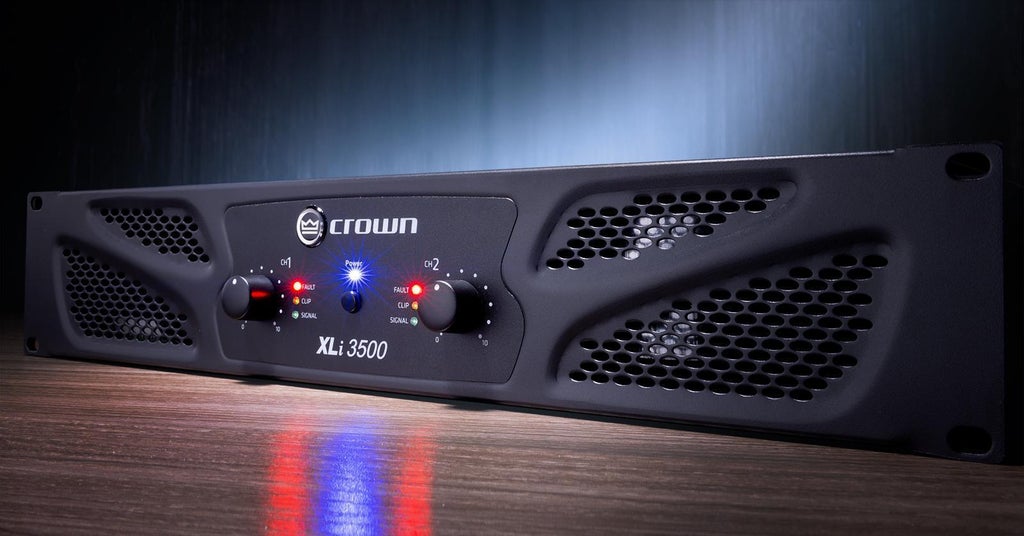
Key Features of High-Performance Bass Amplifiers
When identifying the ultimate live audio amplifier for bass performance, several technical and operational features must be considered. These characteristics directly impact sound quality, reliability, and ease of use during live performances. A robust build, high power output, precise EQ controls, and lightweight design are essential for professional use. Additionally, thermal management and protection circuits prevent overheating and equipment failure under prolonged heavy loads. Connectivity options like XLR DI outputs, tuner outputs, and effects loops also enhance versatility on stage. The best systems integrate digital signal processing (DSP) for shaping tone dynamically.
- High wattage output (500 watts and above) ensures sufficient headroom for deep bass frequencies without distortion during loud passages.
- Flexible tone-shaping tools such as parametric EQ, variable crossover points, and blend controls allow bassists to tailor their sound precisely for different venues.
- Modern Class D amplification technology provides powerful performance with reduced weight and improved energy efficiency compared to older Class AB designs.
Top Contenders in Professional Bass Amplification
Several brands and models consistently rank among the top choices for live bass amplification due to their sonic precision, durability, and feedback resistance. These amplifiers are frequently used by touring musicians and session players in demanding acoustic environments. Factors such as reliability under continuous use, resistance to environmental conditions, and integration with full-range PA systems are critical. Some models offer specialized voicing modes that emulate vintage tube amps or specific speaker cabinet responses. The amplifiers with modular designs allow players to mix heads, preamps, and power amps for custom configurations.
- The Ampeg SVT-VR Classic Head is praised for its all-tube design, delivering warm, dynamic low-end response favored in rock and soul genres, though it is heavier than modern alternatives.
- The Gallien-Krueger MB Fusion series combines lightweight Class D power with analog preamp circuitry, offering articulate tone and extensive programmable presets via onboard software.
- The Markbass Little Mark IV is renowned for its clarity, punch, and versatility, incorporating tone circuits inspired by vintage designs while supporting modern active and passive basses seamlessly.
Integration with Speaker Cabinets and PA Systems
The performance of any bass amplifier is only as good as its compatibility with speaker cabinets and the broader sound reinforcement setup. Matching impedance, power handling, and dispersion patterns between the amp and cabinet is crucial for optimal output and reliability. Many bassists now use their amplifiers in conjunction with full-range, front-of-house (FRFR) PA systems to ensure tonal consistency across the venue. Direct injection (DI) outputs with ground lift, pre/post EQ selection, and speaker-emulated signals allow engineers to integrate the bass tone directly into the mix. Some modern heads even include Bluetooth or USB connectivity for firmware updates and tone editing.
 Car Toys Speaker Install Cost
- Determining the correct speaker cable gauge and length ensures minimal signal loss and accurate low-frequency reproduction from the cabinet.
- Using bi-amping setups, where high and low frequencies are sent to separate power sections and drivers, can greatly improve clarity and control over the bass response.
- Integrating the bass head with a stage monitor or in-ear monitoring system helps the player maintain precise timing and tonal awareness, especially in loud performance environments.
Frequently Asked Questions
What is a Live Audio Amplifier?
A Live Audio Amplifier is a device or software that strengthens audio signals in real time, commonly used during live performances, broadcasts, or recordings. It boosts sound from microphones, instruments, or other audio sources to ensure clarity and volume suitable for the audience. These amplifiers maintain sound quality while preventing distortion, making them essential for professional audio setups in concerts, studios, and public events.
How does a Live Audio Amplifier improve sound quality?
A Live Audio Amplifier enhances sound quality by increasing signal strength without introducing noise or distortion. It ensures balanced audio output across different frequencies, supports dynamic range control, and integrates with equalizers and effects processors. Properly configured amplifiers deliver clear, powerful sound suitable for various environments, from small venues to large stadiums, while preserving the original characteristics of the input source for a professional listening experience.
Can I use a Live Audio Amplifier with my smartphone or tablet?
Yes, many Live Audio Amplifiers are compatible with smartphones and tablets via auxiliary cables, USB, or Bluetooth connections. Portable digital amplifiers and audio interfaces allow mobile devices to connect to speakers or PA systems for live sound reinforcement. Apps designed for audio control can further enhance performance. Always check device compatibility and required adapters to ensure seamless integration between your mobile device and the amplifier system.
Do I need additional equipment to use a Live Audio Amplifier?
Yes, a Live Audio Amplifier typically requires speakers, audio sources (like microphones or instruments), and cables to function fully. In live settings, you may also need a mixer, equalizer, or signal processor for optimal sound control. Power supplies and mounting hardware might be necessary depending on the setup. Ensuring compatibility between all components helps achieve the best audio performance and system reliability during events or performances.
 Car Toys Speaker Installation
Leave a Reply