
RCA Cables Subwoofer
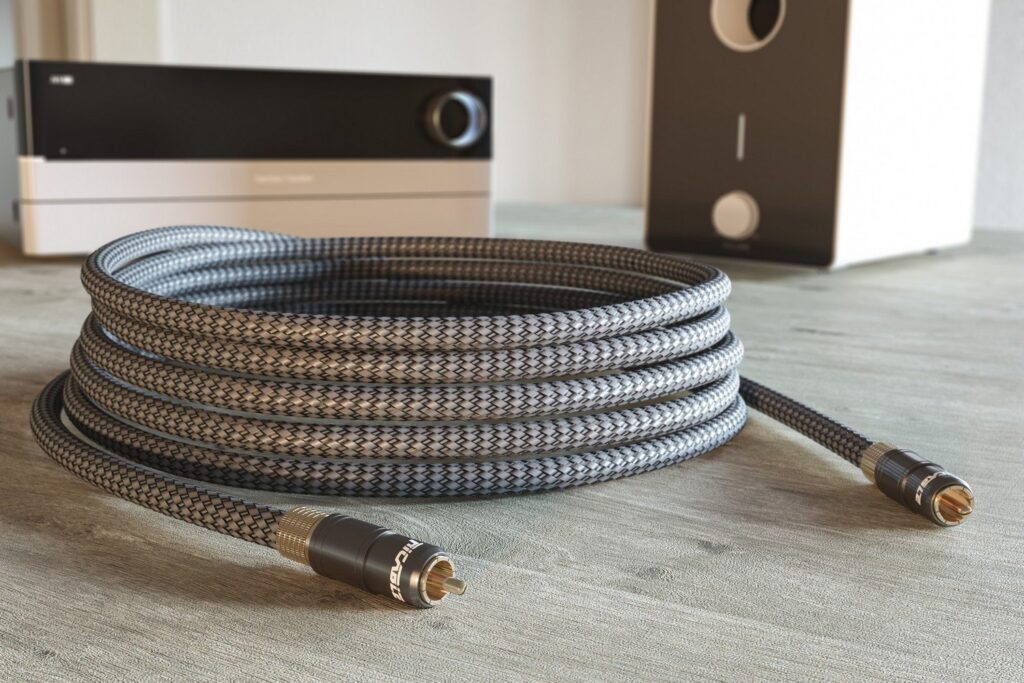
RCA cables play a crucial role in delivering high-quality audio signals from a source to a subwoofer, ensuring deep, accurate bass reproduction.
Commonly used in home theater systems and audio setups, these cables transmit low-frequency effects via a single male-to-male connector, making them ideal for subwoofer integration. Designed with shielding to minimize interference, RCA cables for subwoofers maintain signal clarity and reduce noise.
With varying grades of build quality, materials, and insulation, selecting the right cable impacts overall sound performance. Understanding impedance, conductor type, and cable length helps optimize audio fidelity and system compatibility.
 Class D Audio Amplifier Market
Understanding RCA Cables for Subwoofers: The Key to Optimal Audio Performance
RCA cables play a vital role in delivering high-quality audio signals from AV receivers or audio sources to subwoofers, ensuring deep, rich bass that enhances the overall listening experience. These cables are specifically designed to transmit low-frequency effects (LFE), which are essential for home theater systems and high-fidelity audio setups.
Unlike standard speaker wires, RCA subwoofer cables use coaxial design with a center conductor and shielding to minimize interference and signal loss over longer distances. The connection is typically made using a single RCA male-to-male connector, linking the subwoofer output on an AV receiver to the line-level input on the subwoofer.
Because subwoofers handle only bass frequencies, the signal sent through these cables is a pre-amplified, line-level signal, allowing the subwoofer’s internal amplifier to process and boost it accurately. Choosing the right RCA subwoofer cable can significantly improve sound clarity, reduce hum or noise, and ensure a stable connection critical for immersive audio environments.
How RCA Subwoofer Cables Differ from Standard Audio Cables
Unlike regular speaker wire that carries amplified signals directly to passive speakers, RCA subwoofer cables transmit unamplified, line-level signals and are therefore part of a pre-out/connection system.
 Class D Audio Amplifiers
These cables use coaxial construction, consisting of a central copper conductor, dielectric insulation, a metallic shield, and outer jacket—features designed to protect the signal from electromagnetic interference (EMI) and radio frequency interference (RFI).
Standard audio cables, including basic RCA interconnects for stereo systems, often lack the robust shielding needed for longer runs or environments with high electronic noise, which can introduce audible hum or buzz.
Subwoofer-specific RCA cables typically have higher-quality connectors, thicker shielding, and sometimes oxygen-free copper (OFC) conductors to ensure clean signal transfer. This distinction is crucial in home theater setups where even minor signal degradation can diminish sound quality, especially in the critical low-end frequencies.
Factors to Consider When Choosing an RCA Subwoofer Cable
Selecting the best RCA subwoofer cable involves evaluating several key factors to ensure compatibility and performance. Cable length is critical—too long without proper shielding can lead to signal degradation, while excessive slack can create clutter and potential signal loops.
 Compact Audio Amplifier
Optimal lengths generally range from 3 to 10 feet, depending on system layout. Shielding quality is another vital aspect; double or triple-layer shielding made from braided copper or foil greatly reduces interference from nearby electronics like power cords or Wi-Fi routers. The connector type should be sturdy, preferably gold-plated to resist corrosion and maintain reliable contact.
Additionally, conductor material such as oxygen-free copper (OFC) helps maintain signal integrity. While expensive cables aren't always better, investing in a well-constructed RCA subwoofer cable from a reputable brand often ensures longevity and superior acoustic performance compared to cheap, unshielded alternatives.
Common Issues and Solutions with RCA Subwoofer Cable Connections
One of the most frequent issues with RCA subwoofer cables is the presence of a constant hum or buzz, often caused by ground loops, poor shielding, or improper grounding of connected components. A ground loop occurs when there are multiple grounding paths between devices, creating a small current that manifests as audible noise.
Using a ground loop isolator or ensuring all components are plugged into the same power strip can help mitigate this. Another common problem is weak or no bass output, which might result from using a defective cable, incorrect input configuration on the receiver, or mismatched impedance.
 Compact Car Audio Amplifier
It's important to verify that the cable is securely connected to the Sub Out or LFE Out jack on the AV receiver and the corresponding line-level input on the subwoofer. Interference from nearby electronic devices can also degrade signal quality, so routing RCA cables away from power cables and avoiding sharp bends or kinks helps maintain signal integrity.
| Feature | Description | Importance for Subwoofer Audio |
|---|---|---|
| Shielding Type | Braided copper, foil, or dual-layer shielding | Prevents EMI/RFI interference, reducing hum and noise |
| Conductor Material | Oxygen-free copper (OFC) or standard copper | OFC offers better signal clarity and less resistance |
| Connector Plating | Gold-plated or nickel-plated connectors | Gold resists corrosion and ensures stable, long-term connectivity |
| Cable Length | 3 ft, 6 ft, 10 ft, or custom lengths | Shorter, properly shielded cables reduce signal loss |
| Impedance Rating | Typically 75 ohms for RCA video/audio cables | Ensures compatibility and optimal signal transfer with audio equipment |
Frequently Asked Questions
What are RCA cables used for in a subwoofer setup?
RCA cables transmit low-frequency audio signals from a receiver or amplifier to a subwoofer. They ensure clear, interference-free bass sound by carrying the audio via a coaxial design with separate connectors for left and right channels, though subwoofers typically use a single mono signal.
These cables support line-level signals, making them ideal for home theater and audio systems where signal quality and noise reduction are important for deep, accurate bass performance.
Are all RCA cables compatible with every subwoofer?
Most subwoofers use standard RCA connections, so general RCA cables will work with many models. However, compatibility depends on connector size (typically male-to-male) and whether the subwoofer requires a mono or stereo signal.
 Compact Home Audio Amplifier
Some high-end systems may need shielded or gold-plated cables for better signal integrity. Always check your subwoofer and audio source specifications to ensure the cable supports the correct impedance and frequency range for optimal audio quality.
How long should an RCA cable be for a subwoofer?
An ideal RCA cable length for a subwoofer is between 3 to 10 feet, depending on the distance between your audio receiver and subwoofer. Shorter cables reduce signal loss and interference, but longer ones offer more placement flexibility.
Avoid excessively long cables (over 15 feet) unless using high-quality, shielded versions, as they may degrade the audio signal. Choose the shortest cable that comfortably connects your devices while maintaining optimal sound performance.
Do expensive RCA subwoofer cables improve sound quality?
In most home audio setups, expensive RCA cables offer minimal noticeable improvement in sound quality. Basic, well-shielded cables effectively transmit low-frequency signals without interference.
 CS8622E Audio Amplifier
High-end cables may provide better durability and slightly clearer signal transfer, but differences are often subtle. For typical users, mid-range cables with gold-plated connectors and decent shielding deliver excellent performance. Only audiophiles with high-end systems may perceive minor benefits from premium options.
Leave a Reply