
Sony Vs Jbl Headphones Sound Quality

When it comes to premium audio experiences, Sony and JBL stand out as two major players in the headphone market, each offering distinct approaches to sound quality.
Sony emphasizes precision, noise cancellation, and high-resolution audio, often appealing to audiophiles and professionals. JBL, on the other hand, is known for its bold, dynamic sound signature with powerful bass and energetic mids, ideal for casual listeners and bass enthusiasts.
Comparing Sony and JBL headphones involves examining frequency response, soundstage, clarity, and personal listening preferences. This article dives into the sound quality differences between Sony and JBL models, helping users determine which brand aligns best with their audio expectations and use cases.
 Best Cheap 6X8 Speakers
Sony vs JBL Headphones: A Comparative Analysis of Sound Quality
When comparing Sony and JBL headphones in terms of sound quality, it's essential to evaluate how each brand approaches audio engineering, driver technology, frequency response, and user customization. Sony, long recognized for its innovation in audio technology, often integrates High-Resolution Audio support, LDAC connectivity, and DSEE algorithms to enhance audio fidelity, especially in its premium noise-canceling models like the WH-1000XM series.
These features collectively deliver a detailed, rich, and balanced sound profile that appeals to audiophiles and casual listeners alike. On the other hand, JBL emphasizes a powerful bass response and an energetic sound signature tuned to enhance consumer enjoyment, particularly in genres like pop, hip-hop, and EDM.
While JBL headphones may lack the nuanced refinement of Sony’s high-end models, they provide a fun, engaging listening experience at more accessible price points. Ultimately, the choice between Sony and JBL often comes down to individual preference—whether one values precision and clarity or dynamic, bass-forward sound.
Audio Signature and Tuning Philosophy
Sony and JBL take drastically different approaches to sound tuning. Sony typically follows a more neutral to slightly warm acoustic profile, aiming for accuracy and clarity across the frequency spectrum.
 Best Cheap 6X9 Car Speakers
This makes their headphones ideal for critical listening, especially in studio monitoring or detailed music appreciation. Features like 360 Reality Audio and Adaptive Sound Control demonstrate Sony’s commitment to technological integration and personalized soundscapes.
JBL, by contrast, adopts a live concert tuning philosophy, characterized by pronounced bass enhancement, bright highs, and a wide soundstage designed to replicate the excitement of live performances. This approach appeals to casual users who prioritize emotional impact over fidelity. As a result, while Sony targets audiophile-grade precision, JBL focuses on consumer-friendly engagement, shaping distinct identities in the headphone market.
Driver Technology and Frequency Response
The core of sound quality lies in driver design and frequency handling. Sony frequently employs high-sensitivity drivers with materials like Liquid Crystal Polymer (LCP) diaphragms, ensuring minimal distortion and extended high-frequency reproduction.
Their flagship models support playback up to 40 kHz, far beyond human hearing range, to preserve harmonic detail in high-resolution audio files. This technical sophistication enables superior detail retrieval and spatial accuracy. JBL uses titanium-coated drivers in select models to boost durability and high-frequency clarity but generally targets a frequency range optimized for consumer-grade content, usually capping at 20 kHz.
 Best Cheap Active Pa Speakers
While this is sufficient for most listeners, it lacks the headroom Sony provides. Additionally, Sony’s use of Dynamic Digital Sound Optimization tailors output based on eartip fit and ear shape, further elevating sound consistency. JBL emphasizes loudness and impact, rather than micro-detail, reflecting its entertainment-first design ethos.
Noise Cancellation and Listening Environment Impact
Active Noise Cancellation (ANC) significantly influences perceived sound quality by eliminating external distractions.
Sony leads in this area with its industry-leading ANC technology in the WH-1000XM series, utilizing multiple microphones and AI-driven processors to adaptively reduce ambient noise across environments. This allows listeners to hear subtle audio details without increasing volume. Sony’s Adaptive Sound Control automatically adjusts noise cancellation based on location and activity, enhancing immersion.
JBL offers ANC in models like the JBL Tour One and Live 675NC, but their noise suppression is less effective, particularly in low-frequency environments like airplanes or subways. As a result, the background noise can mask finer audio elements, diminishing clarity. While JBL ensures solid connectivity and app-based EQ customization, it doesn’t match Sony’s holistic sound refinement within noisy real-world settings.
 Best Cheap Active Speakers
| Feature | Sony Headphones | JBL Headphones |
|---|---|---|
| Sound Signature | Neutral-warm, balanced, detailed | Bass-forward, energetic, lively |
| Driver Technology | LCP diaphragms, high-resolution capable | Titanium-coated drivers, consumer-optimized |
| Frequency Range | Up to 40 kHz (Hi-Res Audio certified) | Up to 20 kHz (standard range) |
| Noise Cancellation | Best-in-class adaptive ANC | Moderate ANC performance |
| Audio Enhancements | LDAC, DSEE, 360 Reality Audio | JBL Pure Bass, EQ via app |
Sony vs JBL Headphones: A Comprehensive Sound Quality Comparison
JBL Live 770NC vs Sony WH-CH720N: Which Offers Better Sound Quality?
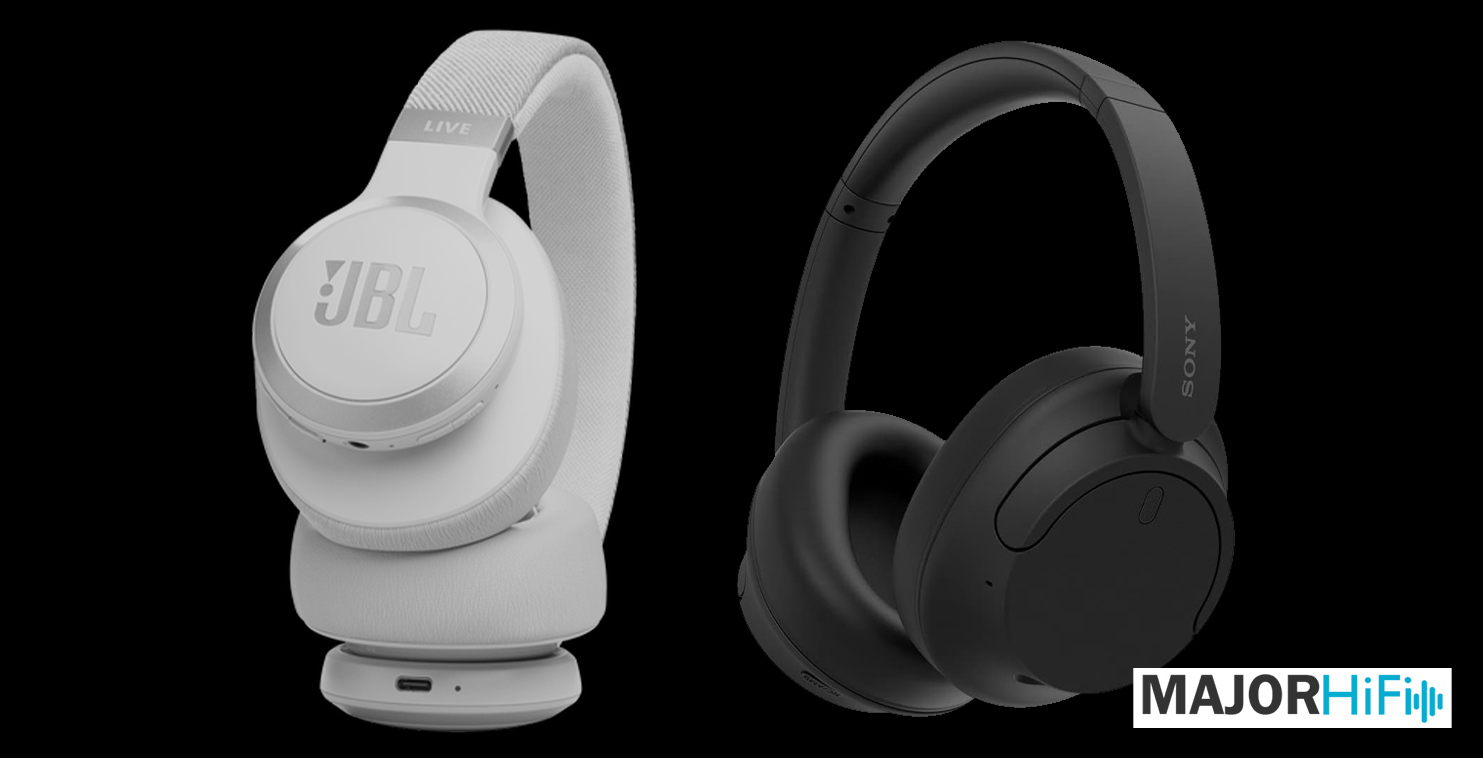
When evaluating the sound quality of the JBL Live 770NC and the Sony WH-CH720N, several key factors come into play, including driver design, sound signature, frequency response, and audio processing technologies. The JBL Live 770NC features 40mm drivers and leverages JBL’s signature sound tuning, which emphasizes a bass-forward profile with lively mids and crisp highs.
This makes it well-suited for listeners who enjoy energetic, dynamic playback, especially in genres like EDM, hip-hop, and pop. In contrast, the Sony WH-CH720N uses 30mm drivers paired with DSEE (Digital Sound Enhancement Engine) to upscale compressed audio files, aiming to deliver a more balanced and detailed listening experience.
While not as bass-heavy as the JBL, the Sony headphones strive for a neutral-to-slightly-v-shaped sound, making them more versatile across classical, acoustic, and rock genres. Both models support Bluetooth 5.2 and common codecs like SBC and AAC, but neither supports high-resolution codecs such as LDAC, which may limit audiophiles seeking premium wireless audio fidelity.
 Best Cheap Airplay Speakers
Driver Size and Acoustic Design
- The JBL Live 770NC is equipped with larger 40mm dynamic drivers, which generally allow for greater soundstage depth and improved bass reproduction due to increased diaphragm surface area.
- The Sony WH-CH720N uses smaller 30mm drivers, which may limit low-frequency output but are engineered for efficiency and clarity, particularly in mid-range frequencies such as vocals and instruments.
- JBL’s acoustic tuning favors consumer-friendly bass enhancement, while Sony’s approach relies on software-driven enhancements like DSEE to restore detail in compressed audio, attempting to simulate a more natural sound.
Noise Cancellation and Audio Clarity
- The JBL Live 770NC features adaptive noise cancellation that adjusts based on the environment, helping to preserve sound balance while reducing ambient noise, thus maintaining consistent audio clarity across settings.
- The Sony WH-CH720N implements AI-powered noise cancellation that identifies and neutralizes ambient sounds such as traffic, conversation, and background rumble, allowing the original audio mix to emerge with greater precision.
- While both models include transparency modes, Sony’s Ambient Sound mode is often praised for delivering a more natural sound passthrough, which enhances situational awareness without distorting the audio profile.
Equalizer Customization and Sound Personalization
- JBL offers a fully customizable EQ through the My JBL Headphones app, allowing users to manually adjust frequency bands or select from preset sound profiles tailored to different music genres.
- Sony provides EQ adjustment via the Headphones Connect app, although the options are more limited compared to JBL, with fewer adjustable bands and reliance on preset modes like Bass Boost, Treble Boost, and Flat.
- Both brands allow firmware updates that can refine sound processing over time, but JBL’s interface tends to offer more immediate and flexible control for users seeking to fine-tune audio output to personal preferences.
Which brand offers superior sound quality in headphones: Sony, JBL, or Bose?
Sony: Innovation and Audio Precision
Sony is widely recognized for its commitment to high-resolution audio and cutting-edge acoustic technologies. The brand consistently incorporates advanced features such as LDAC Bluetooth codec support, DSEE HX upscaling, and precise driver designs across its premium headphone lineup, particularly in the WH-1000XM series.
These technologies work in tandem to deliver a rich, detailed soundstage with excellent instrument separation and clarity across frequencies. Whether focusing on immersive bass for electronic music or nuanced mids and crisp highs for classical tracks, Sony headphones are engineered with audiophiles and casual listeners in mind.
- Sony headphones support high-resolution audio formats, allowing for greater detail and dynamic range compared to standard Bluetooth codecs.
- The proprietary noise cancellation in models like the WH-1000XM5 enhances sound quality by eliminating external distractions, enabling full appreciation of audio subtleties.
- DSEE HX technology restores compressed digital files to near high-resolution quality, improving the listening experience even with streaming services.
Bose: Balanced Sound and Comfort-Driven Design
Bose has built its reputation on delivering a consistently balanced and soothing sound profile designed for long listening sessions. Their headphones, such as the QuietComfort and Bose Ultra series, emphasize natural tonality and spatial awareness, making them ideal for vocal-centric genres and everyday use.
 Best Cheap Amazon Speakers
Rather than boosting bass or treble dramatically, Bose focuses on a smooth frequency response that avoids listener fatigue. This approach, combined with some of the best active noise cancellation in the market, ensures that the integrity of the original recording is maintained in various environments.
- Bose utilizes psychoacoustic tuning to create a spacious and immersive soundstage, enhancing the perception of depth and dimension in music.
- The brand prioritizes comfort without sacrificing audio performance, allowing users to experience consistent sound quality over extended periods.
- Proprietary noise cancellation algorithms isolate ambient sound effectively, preserving audio clarity in noisy settings like airplanes or offices.
JBL: Dynamic and Energetic Sound Signature
JBL stands out with a sound profile tailored for those who appreciate bold bass and energetic performance, making it a favorite among fans of pop, hip-hop, and EDM.
The brand’s tuning philosophy, often referred to as the JBL Signature Sound, emphasizes powerful low-end response while maintaining clear mids and highs. Models like the JBL Quantum and Tune series deliver punchy, lively audio that excels in casual and on-the-go listening. While they may not match the audiophile precision of Sony or the tonal neutrality of Bose, JBL headphones offer a fun and engaging listening experience straight out of the box.
- JBL’s bass-forward tuning enhances rhythmic elements in music, providing a vibrant and exciting sound that appeals to younger audiences and partygoers.
- Many JBL headphones feature large drivers and high sensitivity, contributing to loud, distortion-free playback even at higher volumes.
- The brand integrates sound personalization through companion apps, allowing users to tweak EQ settings and optimize audio output based on preference.
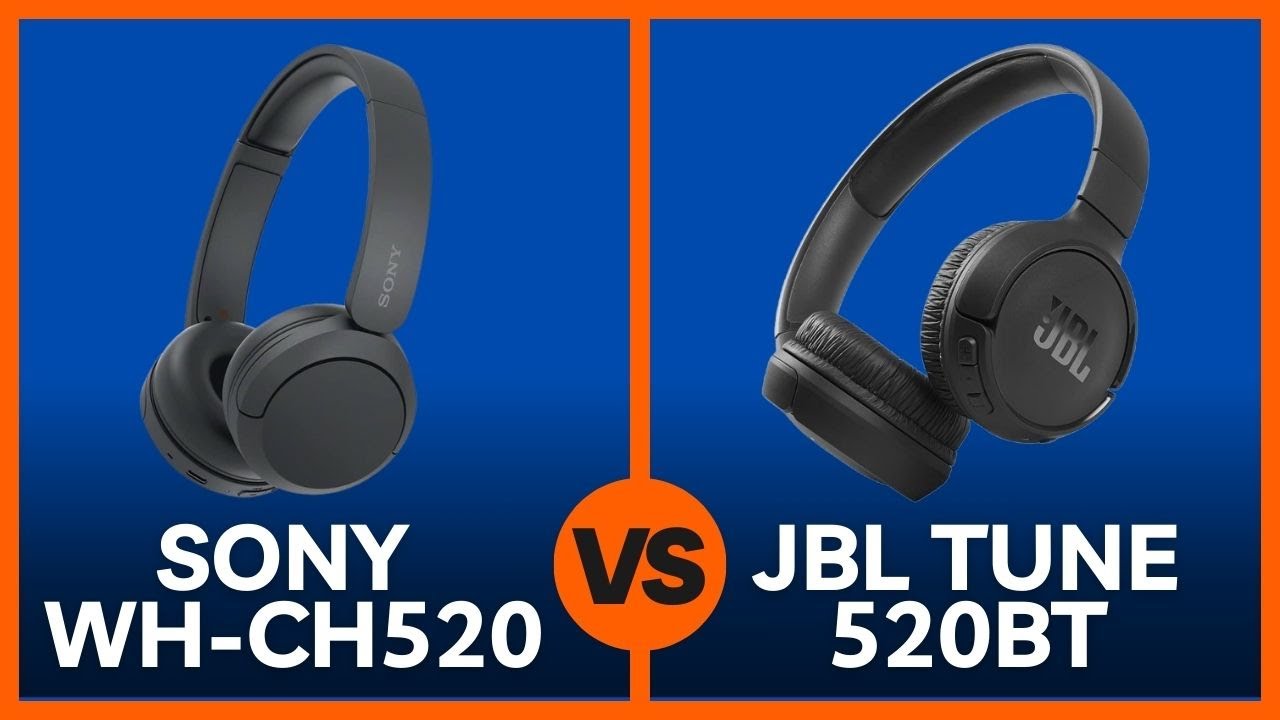
Sony WH-CH520 vs JBL Tune 520: Which Offers Better Sound Quality?
 Best Cheap Amplifier For Speakers
The Sony WH-CH520 and JBL Tune 520 are both budget-friendly on-ear or over-ear wireless headphones targeting users who prioritize affordability, battery life, and decent audio performance for casual listening.
When comparing sound quality between the two, several aspects must be evaluated—frequency response, bass performance, clarity, soundstage, and tuning philosophy. Sony generally emphasizes balanced audio with its DSEE (Digital Sound Enhancement Engine) technology, which aims to enhance compressed digital files. The WH-CH520 delivers a well-rounded sound profile suitable for various genres, with moderate bass, clear mids, and relatively smooth highs.
In contrast, JBL is known for its distinctive JBL sound, which leans toward a bass-forward, energetic signature that many consumers associate with a more fun and vibrant listening experience. While the JBL Tune 520 lacks advanced audio processing like DSEE, its tuning appeals to listeners who enjoy prominent low-end response, especially in genres like pop, hip-hop, and EDM. Ultimately, which offers better sound quality depends on personal preference and listening habits.
Audio Tuning and Frequency Response
- The Sony WH-CH520 features a more neutral and balanced sound signature, with emphasis on vocal clarity and instrument separation. Its 30mm drivers are tuned to deliver a flatter bass response compared to competitors, making it ideal for listeners who prioritize accuracy over exaggerated low-end.
- The JBL Tune 520 adopts a dynamic, bass-boosted profile that follows JBL’s established tuning philosophy. This results in punchy bass and lively mid-highs, which can be appealing for entertainment and casual music use, though it may overshadow finer audio details.
- Frequency response tests show that the Sony model maintains a more linear output across the spectrum, reducing harshness in the upper mids and preserving detail in acoustic and vocal tracks, whereas the JBL emphasizes frequencies below 200Hz and around 2–4kHz, boosting perceived energy.
Driver Technology and Audio Enhancements
- Sony equips the WH-CH520 with its proprietary DSEE technology, which upscales compressed audio files in real time to recover lost high-frequency harmonics, enhancing perceived audio richness, especially with streaming content.
- The JBL Tune 520 relies purely on passive audio tuning without any built-in digital enhancement, meaning sound quality depends solely on the driver design and physical acoustics of the earcup structure, which limits adaptability with lower-bitrate sources.
- Both models use 30mm dynamic drivers, but Sony's integration of magnetic housing and optimized diaphragm design aims for cleaner transient response, particularly noticeable in fast-paced or complex compositions where precision matters.
Soundstage and Listening Experience
- The Sony WH-CH520 provides a slightly wider and more immersive soundstage due to its over-ear design and open acoustic tuning, allowing instruments and vocals to feel more spatially distributed across the stereo field.
- The JBL Tune 520, featuring on-ear earcups, produces a more closed-in sound experience, which can make audio feel more intimate but with less depth and spatial accuracy, particularly in orchestral or live recordings.
- Environmental awareness differs too—while both offer minimal passive noise isolation, the Sony model’s fit reduces external sound leakage slightly better, helping maintain audio presence without needing excessive volume levels in semi-quiet environments.
Frequently Asked Questions
How does Sony compare to JBL in terms of sound quality for headphones?
Sony headphones typically offer a more balanced and detailed sound profile with strong bass and clear mids and highs, ideal for critical listening. JBL focuses on powerful bass and energetic sound, appealing to casual listeners and bass lovers. Sony’s noise cancellation and audio processing technologies like LDAC and DSEE enhance fidelity, giving them an edge in sound refinement over JBL, especially in premium models.
 Best Cheap Atmos Speakers
Do JBL headphones have better bass than Sony?
Yes, JBL headphones are known for their pronounced, punchy bass that delivers a lively and engaging listening experience, especially in genres like EDM and hip-hop. Sony offers deep bass too but with better balance and control, integrating it smoothly into a more accurate overall sound. While JBL emphasizes bass impact, Sony prioritizes sound accuracy, making JBL a favorite for bass enthusiasts seeking a more intense low-end experience.
Which brand is better for noise cancellation and sound clarity: Sony or JBL?
Sony is widely regarded as superior in active noise cancellation (ANC) and sound clarity. Their premium models, like the WH-1000XM series, use advanced processors and microphones to block noise effectively while enhancing audio detail. JBL’s ANC performs well in mid-range models but doesn’t match Sony’s refinement. For crystal-clear sound in noisy environments, Sony headphones deliver noticeably better performance and precision across frequencies.
Are Sony headphones worth the extra cost over JBL for sound quality?
For audiophiles and frequent travelers, Sony headphones are often worth the higher price due to superior sound quality, advanced noise cancellation, and high-resolution audio support. While JBL offers excellent value with fun, bass-forward sound, Sony excels in sonic accuracy, clarity, and features that justify the cost for users prioritizing audio fidelity and immersive listening across different music genres and environments.
Leave a Reply