
Stereo Audio Amplifiers

Stereo audio amplifiers play a crucial role in delivering high-fidelity sound in home audio systems, entertainment centers, and professional setups. By amplifying two independent audio channels—left and right—these devices create a rich, immersive listening experience that captures the spatial depth of original recordings.
Modern stereo amplifiers combine powerful output, low distortion, and advanced connectivity options, supporting everything from traditional speakers to digital sources. Whether integrated into receivers or used as standalone units, they serve as the backbone of quality sound reproduction. With evolving technologies, today’s amplifiers offer efficiency, precision, and compatibility with a wide range of audio formats.
Stereo Audio Amplifiers: Enhancing Sound Quality in Modern Audio Systems
Stereo audio amplifiers are essential components in any high-fidelity audio setup, designed to boost the power of audio signals so that loudspeakers can produce clear and dynamic sound. These amplifiers receive low-level input signals from audio sources—such as smartphones, turntables, or digital music players—and magnify them while preserving the original quality and stereo separation.
 Ceiling Speaker System Installation
With precise control over left and right audio channels, stereo amplifiers provide an immersive listening experience by accurately reproducing the spatial characteristics of recorded music. Available in a variety of forms—from integrated amplifiers to standalone power amps—modern stereo amplifiers often include advanced features like digital-to-analog conversion, Bluetooth connectivity, and support for high-resolution audio formats, making them suitable for both audiophiles and casual listeners.
How Stereo Audio Amplifiers Work
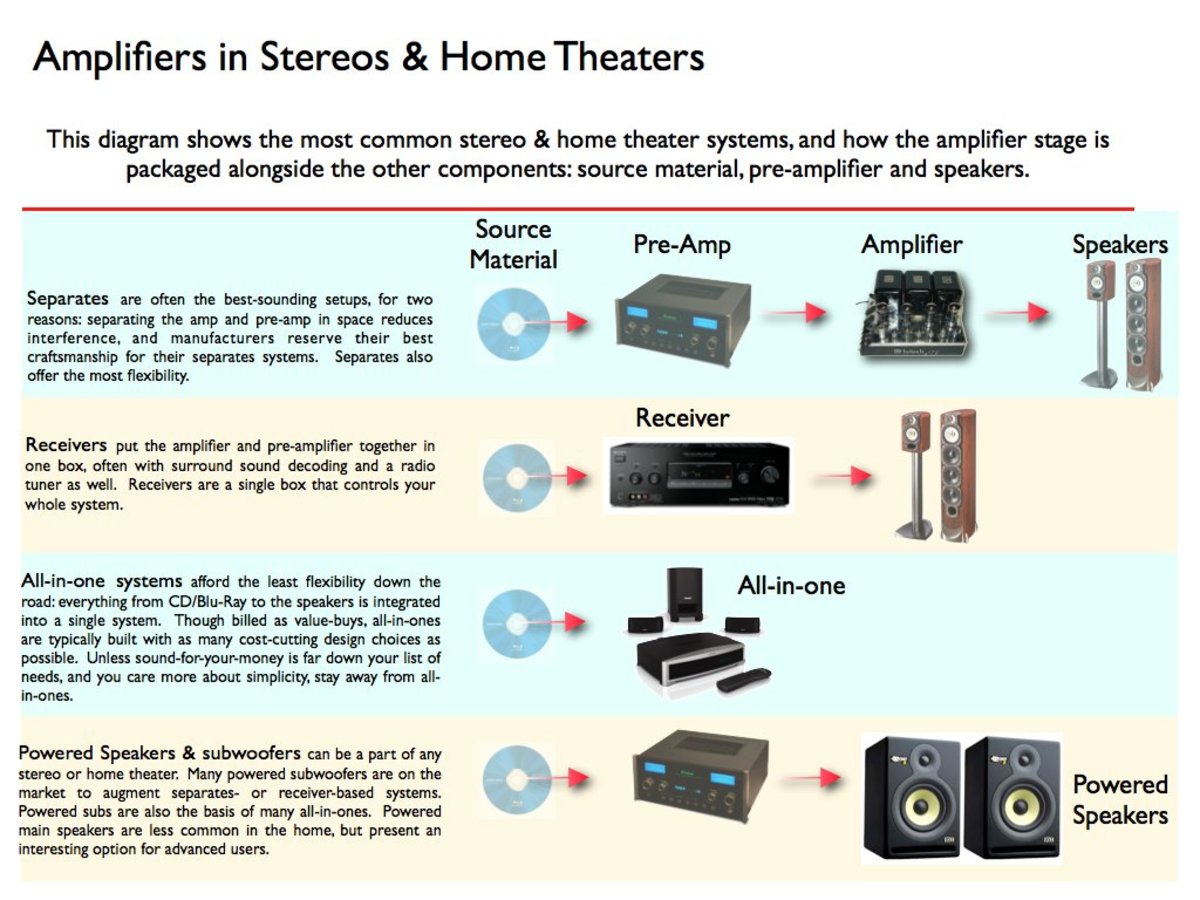
Stereo audio amplifiers function by taking a weak stereo signal from a preamplifier or source device and increasing its amplitude using electronic components such as transistors or vacuum tubes.
Each channel—left and right—is amplified independently to maintain proper stereo imaging and prevent crosstalk between channels. The amplifier draws power from its internal power supply and uses this energy to reconstruct the audio waveform at a higher voltage and current level, suitable for driving loudspeakers efficiently.
The fidelity of this process depends on design elements such as signal-to-noise ratio, total harmonic distortion (THD), and frequency response, all of which influence how accurately the output matches the original recording. High-quality amplifiers ensure minimal audio degradation, preserving the nuances of vocals, instruments, and ambient effects.
 Horn Speaker Installation
Types of Stereo Audio Amplifiers
There are several types of stereo amplifiers, each with distinct characteristics and use cases. Class A amplifiers operate with output transistors always conducting, providing excellent linearity and sound quality but at the cost of high heat generation and low efficiency.
Class AB amplifiers combine the benefits of Class A and Class B designs, offering improved efficiency while maintaining good audio fidelity, making them popular in home audio systems.
Class D amplifiers, known for their high efficiency and compact size, use pulse-width modulation (PWM) to amplify signals and are commonly found in portable speakers and subwoofers. Additionally, tube amplifiers (or valve amplifiers) are favored for their warm, rich sound and are often used in high-end audio setups. The choice between these types depends on factors like power requirements, heat dissipation, sound signature, and intended application.
Key Features to Consider When Choosing a Stereo Amplifier
When selecting a stereo audio amplifier, several technical and practical factors should be evaluated to ensure compatibility and performance. Output power, measured in watts per channel (WPC), must match the sensitivity and impedance of your speakers to avoid underpowering or damage.
 Car Speaker Installation Service
Input options such as RCA, optical, coaxial, and Bluetooth determine connectivity flexibility with various devices. Signal-to-noise ratio (SNR) and THD levels are critical indicators of audio clarity—higher SNR and lower THD values are preferable.
Build quality, cooling mechanisms, and the presence of built-in DACs (Digital-to-Analog Converters) also impact long-term reliability and sound enhancement. Lastly, user-friendly features like remote controls, tone controls, and network streaming capabilities can significantly influence the overall user experience.
| Feature | Description | Why It Matters |
|---|---|---|
| Output Power (WPC) | Power delivered to each speaker channel | Must match speaker impedance and sensitivity for optimal performance |
| Frequency Response | Range of audio frequencies the amp can reproduce | Determines sound accuracy across bass, mids, and treble |
| Total Harmonic Distortion (THD) | Amount of unwanted distortion added by the amplifier | Lower THD means cleaner, more faithful sound |
| Signal-to-Noise Ratio (SNR) | Ratio of desired audio signal to background noise | Higher SNR ensures quieter background and better clarity |
| Input/Output Options | Available connections (e.g., RCA, HDMI, Optical, Bluetooth) | Impacts device compatibility and system integration |
Comprehensive Guide to Stereo Audio Amplifiers: Features, Types, and Applications
What Is the Ideal Wattage for a Stereo Audio Amplifier?
The ideal wattage for a stereo audio amplifier depends on several factors, including room size, speaker sensitivity, listening volume preferences, and the type of audio content being played. Generally, a range between 20 to 100 watts per channel is sufficient for most home listening environments. For small to medium-sized rooms with efficient speakers, 20 to 50 watts can provide ample clean power without distortion.
 Car Speaker System Installation
Larger rooms or setups demanding higher volume levels—such as for music with dynamic range or immersive movie soundtracks—may benefit from 75 to 100 watts or more per channel. It's crucial to match the amplifier's power output with the speaker's power handling capacity and sensitivity rating to avoid underpowering (which can cause clipping and damage) or overpowering (which risks speaker overload).
Additionally, high-efficiency speakers (e.g., 90 dB or above) require less wattage to achieve the same perceived loudness compared to low-efficiency models. Ultimately, the ideal wattage ensures clean, undistorted sound at your desired listening levels, tailored to your specific setup and acoustic environment.
Understanding Speaker Sensitivity and Its Impact on Amplifier Wattage
- Speaker sensitivity measures how effectively a speaker converts an amplifier's electrical power into sound, typically expressed in decibels (dB) at 1 watt from 1 meter away. Speakers with higher sensitivity (e.g., 90 dB or more) produce louder sound with less power, meaning a lower-wattage amplifier can perform well in modest-sized rooms.
- Conversely, low-sensitivity speakers (below 86 dB) demand more power to achieve adequate volume, making them better suited for amplifiers with higher wattage outputs to prevent strain and distortion. Using a low-power amp with inefficient speakers often leads to clipping when the amplifier is pushed beyond its limits.
- Therefore, understanding your speakers' sensitivity is essential when selecting amplifier wattage. Pairing a 30-watt amplifier with highly sensitive speakers can yield impressive volume and clarity, while the same amp might struggle with insensitive models even in small spaces.
Matching Amplifier Wattage to Room Size and Listening Environment
- Room acoustics and dimensions significantly influence the required amplifier wattage. In small rooms (under 150 sq ft), 20 to 40 watts per channel are usually enough to fill the space with clear, distortion-free audio at moderate volumes.
- Larger rooms (200 sq ft or more), open-plan living areas, or spaces with high ceilings absorb more sound, demanding higher power output—typically 75 to 150 watts per channel—to maintain dynamic range and volume without straining the amplifier.
- Audience size and background noise also matter. Environments with ambient noise or frequent gatherings benefit from higher wattage to ensure consistent audio performance, while quiet, intimate settings may not require high power, allowing lower-wattage tube or Class A amplifiers to excel.
The Role of Audio Content and Listening Habits in Wattage Selection
- Different audio formats have varying dynamic ranges and power demands. Classical music or live recordings often feature wide dynamic swings, needing amplifiers with headroom (higher wattage) to handle sudden peaks without compression or distortion.
- Genres like pop, rock, or electronic music, which are heavily compressed, require less peak power but benefit from consistent, clean power delivery—making moderately powered amplifiers with strong current delivery ideal.
- Listening habits also influence wattage needs. Casual listeners who prefer background music at low to moderate levels may find 25 to 50 watts sufficient. In contrast, audiophiles or home theater users who value high volume, clarity, and immersive soundscapes will likely require amplifiers delivering 100 watts or more per channel to ensure fidelity under demanding conditions.
What distinguishes a power amplifier from an audio amplifier in stereo audio systems?
Functional Roles in a Stereo Audio System
- A power amplifier is primarily responsible for taking a low-power audio signal and boosting it to a level that can drive loudspeakers effectively, providing sufficient current and voltage to produce sound at desired volume levels.
- An audio amplifier, often referred to as a preamplifier or integrated amplifier, handles the initial stage of signal processing, including source selection, volume control, tone adjustments, and signal routing before it’s sent to a power amplifier.
- While all power amplifiers are a type of audio amplifier, not all audio amplifiers are power amplifiers—audio amplifier is a broad category that includes both preamplifiers and power amplifiers, each serving different stages in the audio signal path.
Signal Input and Output Characteristics
- Power amplifiers receive a line-level signal from a preamplifier or audio processor and are designed to output high-power signals capable of moving speaker cones, with output measured in watts delivered to a specific impedance, usually 4 or 8 ohms.
- Audio amplifiers, particularly preamplifiers, operate at much lower power levels and handle line-level input signals from sources such as CD players, turntables, or digital streamers, refining them before sending to the power stage.
- The voltage swing in a power amplifier is significantly higher than in the preamplifier stage, as its design focuses on delivering power efficiency and minimizing distortion under load, which is critical when driving passive speakers.
Design and Integration in Stereo Setups
- In high-end stereo systems, power amplifiers are often separate components, allowing for improved heat dissipation, reduced internal interference, and enhanced performance when paired with high-sensitivity or low-impedance speakers.
- Integrated audio amplifiers combine both preamplifier and power amplifier functions in a single chassis, offering convenience and space-saving benefits, making them popular in compact or entry-level stereo systems.
- The modularity of using a separate power amplifier with a standalone preamplifier provides audiophiles with greater flexibility in system upgrades, enabling them to mix and match components based on brands, technology, or sound signature preferences.
Do stereo audio amplifiers deliver superior sound quality compared to other types?
What Defines Sound Quality in Audio Amplifiers?
- Sound quality in audio amplifiers is determined by several key factors, including total harmonic distortion (THD), signal-to-noise ratio (SNR), frequency response, and damping factor. Lower THD means cleaner audio reproduction with fewer unwanted harmonics, while a higher SNR ensures that the desired audio signal is significantly stronger than background noise.
- Frequency response indicates how evenly an amplifier can reproduce sounds across the audible spectrum, typically from 20 Hz to 20 kHz. A flat frequency response is ideal, as it means the amplifier does not emphasize or attenuate any particular frequency range.
- The damping factor refers to the amplifier's ability to control the movement of the speaker cones, especially after the signal stops. A higher damping factor generally results in tighter, more accurate bass response, contributing to overall sound precision.
How Do Stereo Amplifiers Compare to Mono and Multichannel Amplifiers?
- Stereo audio amplifiers are designed to power two separate channels—left and right—mimicking natural human hearing and creating a sense of spatial depth known as stereo imaging. This configuration allows for a more immersive and realistic listening experience compared to mono amplifiers, which deliver the same signal to a single channel.
- Mono amplifiers, often used in subwoofer applications or public address systems, focus on delivering high power to a single channel, which can be advantageous for low-frequency reproduction but lacks directional information and spatial separation.
- Multichannel amplifiers, such as those used in surround sound systems (e.g., 5.1 or 7.1), distribute audio across multiple speakers to create an enveloping sound field. While they excel in cinematic experiences, stereo amplifiers remain favored by audiophiles for music due to their simplicity, focused imaging, and lower potential for phase interference.
Are There Technical Advantages That Contribute to Superior Performance?
- Stereo amplifiers often benefit from balanced circuit design, where left and right channels are isolated to prevent crosstalk—unwanted signal leakage between channels. This isolation enhances channel separation, improving the precision of sound staging and instrument placement within the audio field.
- High-end stereo amplifiers frequently use superior components, such as low-noise operational amplifiers, high-quality capacitors, and robust power supplies, which contribute to cleaner power delivery and reduced distortion across both channels.
- Because stereo amplifiers are typically optimized for two-channel performance, designers can focus on refining each channel's fidelity without compromising performance to accommodate additional channels, which may occur in AV receivers or multichannel setups where cost and space constraints lead to shared power resources and potential signal degradation.
What are the three main types of stereo audio amplifiers?
The three main types of stereo audio amplifiers are Class A, Class B, and Class AB amplifiers. Each type operates based on different principles of output stage design and transistor biasing, which directly influence efficiency, sound quality, and heat generation.
These amplifier classes define how the active components (usually transistors) handle the input signal to produce amplified output across left and right audio channels in a stereo setup. Understanding their differences helps in selecting the right amplifier based on performance requirements, power consumption, and thermal management.
 Commercial Speaker Installation
Class A Stereo Amplifiers
- Class A amplifiers operate with the output transistors constantly conducting, meaning they carry current throughout the full 360 degrees of the input signal cycle. This ensures minimal distortion and excellent linearity, making them highly accurate in reproducing sound.
- Due to continuous operation, Class A amplifiers generate significant heat and are relatively inefficient, typically achieving only 20-30% efficiency. This inefficiency requires large heatsinks and limits their use in portable or high-power applications.
- Despite their inefficiency, Class A amplifiers are favored in high-fidelity audio systems because they deliver smooth, warm sound with low harmonic distortion, making them ideal for critical listening environments.
Class B Stereo Amplifiers
- Class B amplifiers use a push-pull configuration where one transistor amplifies the positive half of the waveform and another handles the negative half. Each transistor conducts for 180 degrees of the signal cycle, improving efficiency compared to Class A.
- While more efficient—reaching up to 70% efficiency—Class B amplifiers are prone to crossover distortion, which occurs when one transistor turns off and the other turns on, causing a gap or inconsistency in signal reproduction at the zero-crossing point.
- This distortion can degrade audio quality, especially at low volumes, making pure Class B designs less common in high-quality stereo audio applications despite their thermal and power advantages.
Class AB Stereo Amplifiers
- Class AB amplifiers combine the best aspects of Class A and Class B by biasing the output transistors slightly above the cutoff point, allowing both transistors to conduct small amounts of current around the crossover region. This reduces crossover distortion significantly.
- They operate with each transistor conducting for slightly more than 180 degrees but less than 360 degrees, striking a balance between sound fidelity and efficiency. Efficiency typically ranges from 50% to 70%, making them more practical than Class A for most applications.
- Class AB is the most widely used amplifier class in stereo audio equipment, including home receivers and professional audio systems, due to its reliable performance, reasonable heat output, and high sound quality across a wide range of volumes.
Frequently Asked Questions
What is a stereo audio amplifier?
A stereo audio amplifier is an electronic device that boosts audio signals from a source, such as a smartphone or turntable, and sends amplified signals to two separate channels—left and right—to power speakers. This creates a rich, immersive sound experience. Stereo amplifiers support balanced audio reproduction, improving clarity and depth. They are commonly used in home audio systems, studios, and entertainment centers.
How do I connect a stereo amplifier to my speakers?
Connect a stereo amplifier to speakers using speaker wires attached to the amplifier’s output terminals and the corresponding inputs on the speakers. Match the positive (+) and negative (–) terminals on both devices to ensure proper phase alignment. Use high-quality cables for better sound transmission. Always power off the amplifier when connecting to avoid damage. Secure connections prevent signal loss and ensure balanced stereo output.
Can I use a stereo amplifier with wireless speakers?
Yes, some stereo amplifiers support wireless speakers via Bluetooth, Wi-Fi, or proprietary wireless protocols. However, traditional stereo amplifiers are designed for wired speaker connections. To use wireless speakers, ensure compatibility or use wireless adapters. Note that wireless setups may introduce latency or compression. For high-fidelity audio, wired connections are generally preferred over wireless options for reliability and sound quality.
What should I consider when choosing a stereo audio amplifier?
Consider power output, impedance matching, number of channels, and connectivity options when choosing a stereo amplifier. Ensure it matches your speakers’ power and impedance requirements. Look for inputs like RCA, optical, or Bluetooth depending on your sources. Build quality, brand reputation, and features like volume control or remote operation also matter. Choose one that suits your room size and acoustic needs for optimal performance.
 Do Speaker Pa Installations Come With Warranties
Leave a Reply