
Speaker Wire Configuration
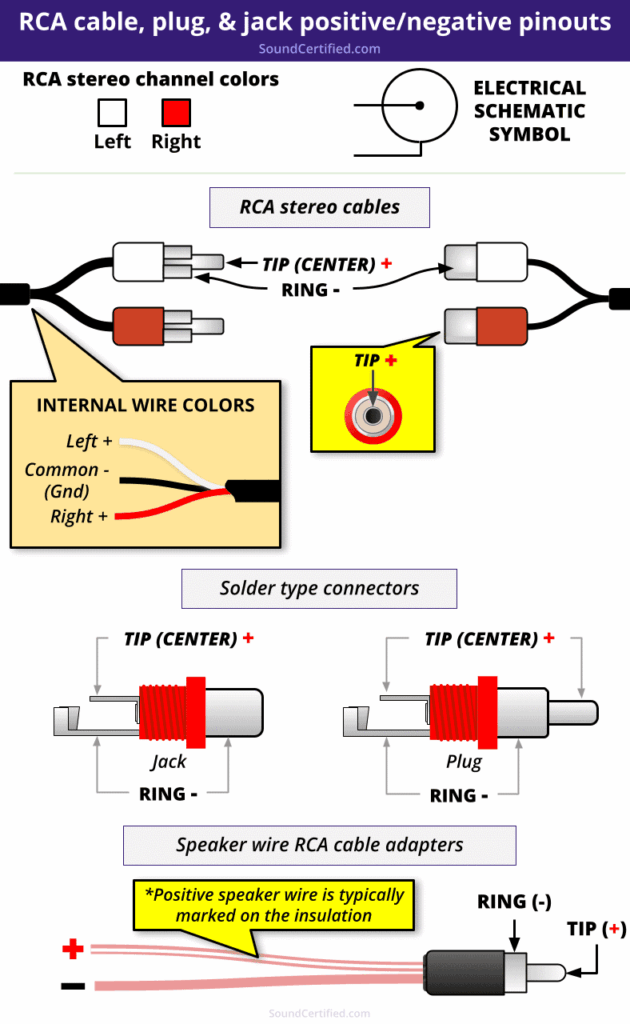
Proper speaker wire configuration plays a crucial role in achieving optimal audio performance in any sound system. The way wires are arranged, connected, and matched to speakers and amplifiers directly impacts signal quality, clarity, and overall fidelity.
From selecting the correct gauge and material to deciding between bi-wiring and single wiring setups, each decision influences the system’s efficiency. Understanding polarity, minimizing resistance, and avoiding interference are also key considerations.
Whether setting up a home theater, studio, or simple stereo system, attention to detail in wiring ensures accurate sound reproduction. This article explores the fundamentals of speaker wire configuration to help users make informed choices for superior audio results.
 Best eq settings samsung
Understanding Speaker Wire Configuration for Optimal Audio Performance
Proper speaker wire configuration plays a crucial role in achieving the best possible sound quality in any audio setup, whether it’s a home theater, stereo system, or professional sound environment. The configuration refers to how speaker cables are arranged, connected, and terminated between an amplifier or receiver and the speakers themselves.
Key aspects include wire gauge (thickness), polarity, length, and the method of connection—such as banana plugs, spade connectors, or bare wire. Incorrect configurations can lead to phase issues, signal loss, impedance mismatches, and reduced efficiency.
Moreover, advanced setups may use bi-wiring or bi-amping configurations, where multiple cables are used per speaker to separate high and low-frequency signal paths, thus improving clarity and dynamic range. Selecting the right configuration depends on the equipment used, room layout, and desired audio fidelity, making it essential for audiophiles and casual users alike to understand the fundamentals.
Types of Speaker Wire Connections
There are several common types of speaker wire connections, each offering advantages in terms of security, conductivity, and ease of use. The most basic method is using bare wire, where the insulation is stripped and the copper strands are inserted directly into binding posts.
 Best eq settings tesla model y
While cost-effective, this method can loosen over time and may cause accidental shorts if not handled carefully. Banana plugs provide a more reliable and cleaner connection; they snap securely into compatible speaker terminals, ensuring consistent contact and simplified setup—especially useful for frequently changed systems.
Spade connectors offer a flat, fork-like shape that fits around binding post terminals, providing excellent surface contact and are ideal for high-power systems. Another option is pin connectors, which are similar to banana plugs but thinner and less secure. Choosing the right connection type depends on your speaker terminals, amplifier design, and how often you plan to reconfigure your system.
| Connection Type | Pros | Cons |
|---|---|---|
| Bare Wire | Inexpensive, no additional hardware needed | Prone to fraying, risk of short circuits |
| Banana Plugs | Secure fit, easy to connect/disconnect | Requires compatible terminals, higher initial cost |
| Spade Connectors | Excellent conductivity, stable under high power | Takes more space, installation can be complex |
| Pin Connectors | Simple design, minimal interference | Less secure, limited surface contact |
Bi-Wiring vs. Bi-Amping: What’s the Difference?
Bi-wiring and bi-amping are advanced speaker wire configurations that enhance audio performance by separating signal paths, but they function differently. Bi-wiring involves using two separate sets of cables from a single amplifier channel to a speaker with dual input terminals—typically one pair for the woofer (low frequencies) and another for the tweeter (high frequencies).
However, since both cables connect to the same amplifier output, the actual benefit is often debated among audiophiles, with some arguing it reduces intermodulation distortion. In contrast, bi-amping uses two separate amplifier channels—one dedicated to high frequencies and another to low—feeding the same speaker’s drivers independently.
 What are the best eq settings
This method, especially when using an active crossover, allows for greater control, reduced strain on amplifiers, and improved speaker performance. While bi-wiring is easier and more affordable, bi-amping offers tangible improvements in dynamic range and clarity, making it preferred in high-end audio setups.
| Feature | Bi-Wiring | Bi-Amping |
|---|---|---|
| Amplifier Channels Used | One channel split across two cables | Two independent amplifier channels |
| Cable Requirements | Two sets per speaker | Two sets per speaker |
| Signal Separation | At the speaker level only | At the amplifier and crossover level |
| Performance Benefit | Subtle; debated among experts | Significant; improved clarity and power control |
Importance of Wire Gauge and Length in Configuration
The gauge (thickness) and length of speaker wire are critical factors that influence signal integrity and overall sound quality. Speaker wire gauge is measured using the American Wire Gauge (AWG) system, where lower numbers indicate thicker wire—such as 12 AWG or 14 AWG—and better current handling.
For short runs (under 50 feet), a 16 AWG wire may suffice for small speakers, but longer distances or high-power systems require thicker wire to minimize resistance and prevent voltage drop, which can dull sound and reduce volume. For instance, a 12 AWG cable is recommended for runs over 80 feet or with low-impedance speakers (4 ohms).
Additionally, wire length should be as short as practical without compromising setup design, since longer wires increase resistance and potential signal degradation. Using properly sized wire ensures that the amplifier delivers maximum power to the speakers efficiently, preserving the dynamic range and fidelity of the original audio signal.
 How To Set Speaker Configuration To Stereo
Understanding Speaker Wire Configuration: A Comprehensive GuideWhat is the correct wire placement for speaker connections?
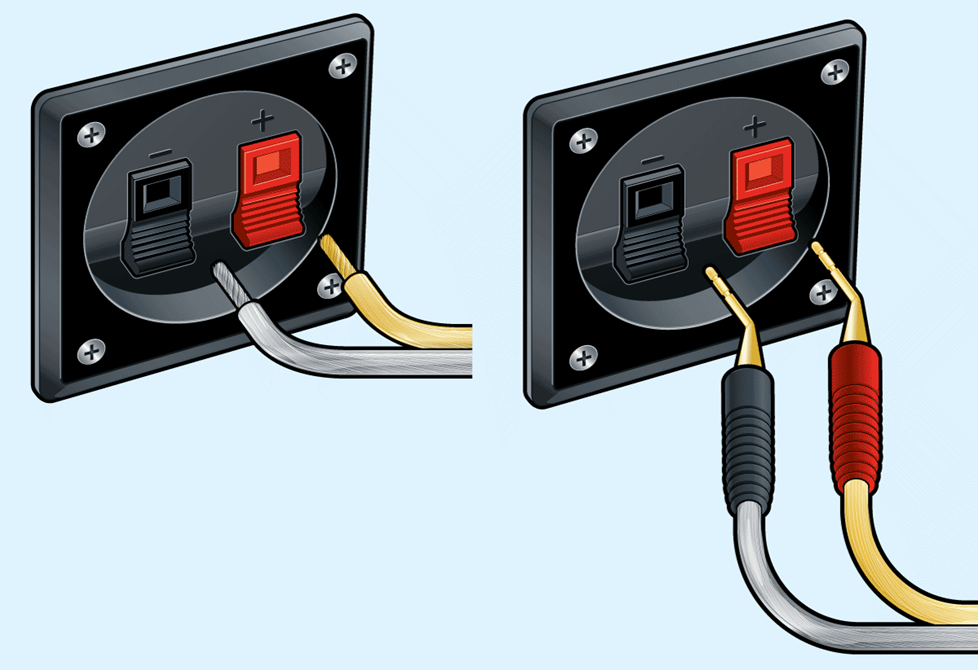 The correct wire placement for speaker connections involves matching the positive terminal on the amplifier or receiver to the positive terminal on the speaker, and the negative terminal on the amplifier to the negative terminal on the speaker.
Most audio equipment and speaker wires are labeled with color coding or symbols: the positive side is usually indicated by a red mark, a + sign, or a slightly thicker wire with a red stripe, while the negative side is marked with a black color, a - sign, or a smooth wire.
Ensuring proper polarity across all speakers maintains phase alignment, meaning sound waves from all speakers move forward and backward in unison.
Incorrect wiring—such as reversing positive and negative—can cause certain frequencies to cancel each other out, especially in lower ranges, leading to weak or hollow sound. Consistency in connection across all speaker channels is essential for optimal stereo imaging and balanced audio performance.Identifying Positive and Negative Terminals
 Mi Smart Speaker Xiaomi Configurar
- On speakers, the positive terminal is typically labeled with a + sign, colored red, or marked with a raised bump, while the negative terminal uses a - sign, black coloring, or a flat surface. Checking the manufacturer’s manual can clarify any ambiguity.
- On amplifiers or receivers, speaker output terminals follow the same labeling standards—red or + for positive, black or - for negative—often aligned in pairs for each channel (e.g., front left, front right).
- Speaker wire itself may have visual cues such as one conductor with a ribbed surface (positive), a tracer line, or red insulation, while the other is smooth or black (negative). Matching these features ensures correct polarity during installation.
Importance of Consistent Polarity Across All Speakers
- Maintaining the same wire orientation across front, center, and surround speakers ensures that audio signals reach each speaker in phase, preserving the intended soundstage and spatial effects in music and movies.
- When one speaker is wired out of phase (positive to negative), the cone moves inward while others move outward, causing sound wave cancellation—especially noticeable in bass frequencies—resulting in thin, uneven audio.
- For multi-channel systems like 5.1 or 7.1, checking the polarity of each speaker connection during setup is critical to achieving immersive, accurate surround sound reproduction as designed by audio engineers.
Common Mistakes and How to Avoid Them
- One frequent error is connecting the wire correctly at the amplifier but reversing it at the speaker terminal, usually due to inconsistent labeling or not tracking the wire’s orientation during long runs; using labeled wire or tagging both ends helps prevent this.
- Another issue arises when using binding posts or spring clips incorrectly—loose connections or strands of wire touching adjacent terminals can cause shorts or intermittent sound, so ensure only the bare conductor contacts the proper terminal.
- Using non-standard or custom-cut cables without consistent markings increases the risk of mismatched connections; establish a personal standard (e.g., red stripe always to positive) and verify with a multimeter if needed for accuracy.
Frequently Asked Questions
What is speaker wire configuration?
Speaker wire configuration refers to how speaker cables are arranged and connected between the audio source (amplifier or receiver) and the speakers. It involves key factors such as wire gauge, polarity, and wiring layout, including series and parallel connections.
Proper wire configuration is essential for ensuring efficient signal transmission, minimizing electrical resistance, and preserving high sound quality. The correct setup depends on speaker impedance, amplifier compatibility, and overall system design, helping achieve balanced, clear audio output without risking damage to your equipment.
How do I choose the right speaker wire gauge?
Choosing the correct speaker wire gauge depends mainly on three factors: speaker impedance, amplifier power output, and cable length.
-
For long cable runs and low-impedance speakers, thicker wire such as 14 AWG or 12 AWG is recommended.
-
For shorter distances and higher-impedance speakers, 16 AWG is typically sufficient.
Using wire that is too thin can cause signal loss, reduced volume, and degraded sound quality. Always match the wire gauge to your system’s requirements to ensure efficient power delivery, prevent overheating, and maintain optimal performance.
What’s the difference between series and parallel wiring?
Series wiring connects speakers end-to-end, which increases the total impedance of the system. This setup is useful when an amplifier requires a higher load.
Parallel wiring, on the other hand, connects all positive terminals together and all negative terminals together, which reduces total impedance and increases power delivery. This method is commonly used in multi-speaker systems for balanced output.
 Realtek Hd Audio Manager 2.1 Speaker Configuration
However, impedance that is too low can overload and damage the amplifier. Always select your wiring method based on the manufacturer’s specifications for both the amplifier and the speakers to ensure system stability and reliable performance.
Why is polarity important in speaker wire configuration?
Polarity ensures that all speaker drivers move in the same direction at the same time in response to the audio signal. Correct positive (+) and negative (–) connections maintain proper phase alignment, which is critical for accurate soundstage, clear vocals, and strong bass response.
If polarity is reversed, phase cancellation can occur, resulting in weak bass, poor imaging, and muddy sound. Always match the amplifier’s output polarity with each speaker’s terminals. Using color-coded or clearly marked wire helps maintain consistent polarity, especially in complex multi-speaker installations.
Leave a Reply