
Alesis pa speakers

Alesis PA speakers have become a go-to choice for musicians, DJs, and event professionals seeking reliable sound reinforcement without breaking the bank.
Known for their durability, clarity, and user-friendly design, these speakers deliver powerful audio performance across a range of live environments. From small venues to outdoor events, Alesis combines portability with professional-grade features like Bluetooth connectivity, built-in mixers, and versatile input options.
Whether you're amplifying vocals, instruments, or recorded music, Alesis PA systems offer consistent sound quality and efficient setup. This article explores the key models, features, and real-world applications that make Alesis a trusted name in portable sound solutions.
 Stadium pa speakers
Performance and Reliability of Alesis PA Speakers in Live Sound Applications
Alesis PA speakers have earned a strong reputation in the audio industry for delivering robust sound performance and dependable functionality, making them a popular choice for live sound reinforcement, studio monitoring, and multimedia applications.
Engineered with both amateur and professional users in mind, these powered public address (PA) systems combine advanced digital amplification with high-quality driver components to ensure clear, full-range audio reproduction. Alesis integrates decades of experience in audio electronics to offer affordable solutions without sacrificing sonic integrity, making their PA speakers ideal for musicians, DJs, educators, and small venues.
Their lightweight portability, built-in mixing capabilities, and versatile connectivity options—such as XLR, 1/4, and RCA inputs—make Alesis PA speakers a flexible solution across various sound environments. Whether used for vocal amplification, instrument monitoring, or background music systems, these speakers consistently deliver powerful output with minimal distortion, even at high volume levels.
Key Features and Design of Alesis PA Speakers
Alesis PA speakers are designed with a focus on practicality, durability, and sound clarity. Most models feature a rugged ABS plastic housing, which provides reliable protection during transport and field use while keeping the overall weight low for easy setup.
 Band pa speakers
The integrated Class D amplifiers offer high efficiency with minimal heat generation, enabling extended operation without compromising output quality. Drivers typically include a woofer ranging from 6.5” to 10” paired with a high-frequency compression driver or tweeter to ensure balanced audio coverage.
Many units also feature front-panel volume controls, LED indicators for power and clipping, and onboard DSP functions such as EQ presets and protective limiters. This combination of smart design elements makes Alesis PA speakers suitable for mobile performers and installations where dependable operation and ease of use are essential.
Connectivity and Integration Options
One of the major strengths of Alesis PA speakers is their wide range of input and output connectivity, allowing seamless integration into various audio setups. Most models include both balanced XLR and 1/4” combo inputs, enabling compatibility with microphones, mixers, instruments, and line-level devices.
Some speakers also support RCA and 3.5mm auxiliary inputs for connecting smartphones, tablets, or media players—ideal for background music or rehearsals. Dual-speaker setups benefit from link-through XLR outputs, allowing daisy-chaining for stereo configurations without additional cables.
 Are alto pa speakers any good
Additionally, several Alesis models come with built-in Bluetooth connectivity, providing wireless audio streaming from compatible devices. This versatility ensures that Alesis PA systems can adapt to changing requirements across live events, rehearsals, presentations, or studio environments with minimal setup time.
Comparison of Popular Alesis PA Speaker Models
Alesis offers a variety of PA speakers tailored to different needs and budgets, each with distinct performance characteristics and features. The Alesis Elevate Series is optimized for smaller venues and personal use, featuring compact designs with focused sound dispersion.
The Alesis Control Series targets studio and desktop monitoring applications, providing flat frequency response and excellent detail for critical listening. Meanwhile, the Alesis TransActive Series combines portability with built-in rechargeable batteries and wireless microphone support, ideal for mobile presenters and outdoor events. Below is a comparison of key specifications across selected models:
| Model | Power Output | Driver Size | Connectivity | Special Features |
|---|---|---|---|---|
| Alesis Elevate 8 | 100W RMS | 8” woofer + 1” tweeter | XLR, 1/4”, RCA | Two-band EQ, angle-mount design |
| Alesis Control 2 | 50W per side | 4.5” woofer + 1” tweeter | XLR, 1/4” | Bi-amped design, front-panel level control |
| Alesis TransActive III | 120W RMS | 6.5” woofer + 1” tweeter | XLR, 1/4”, RCA, Bluetooth | Rechargeable battery, wireless mic ready, onboard mixer |
Comprehensive Guide to Alesis PA Speakers: Features, Setup, and Performance
Active vs. passive PA speakers: Which type is best for Alesis speaker setups?
 Are pa speakers frfr
Understanding Active and Passive PA Speakers
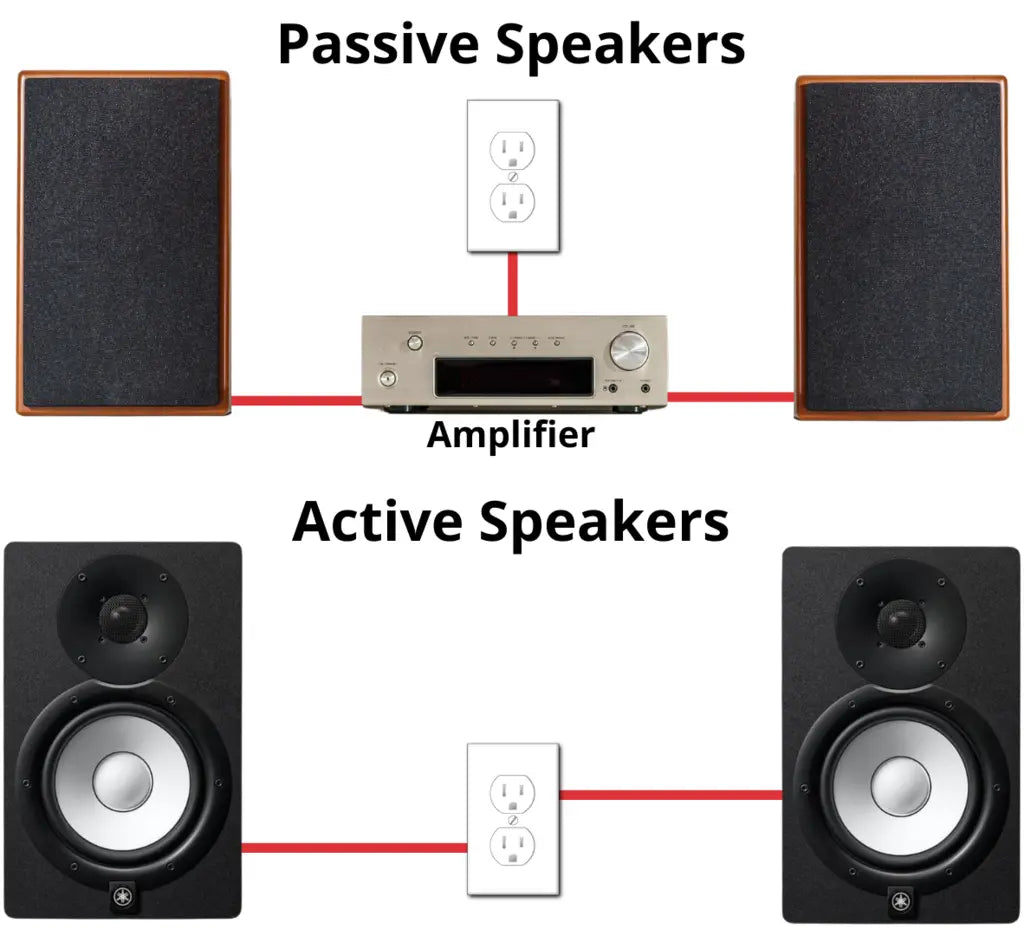
- Active PA speakers, also known as powered speakers, have built-in amplifiers that are specifically matched to the speaker drivers, allowing for optimized performance. This integration eliminates the need for an external amplifier, streamlining setup and reducing the number of components required for operation.
- Passive PA speakers, on the other hand, do not contain internal amplifiers and must be connected to an external amplifier to function. This setup offers greater flexibility in terms of amplifier choice and system customization but requires additional equipment, cables, and technical know-how.
- When evaluating Alesis speaker setups, it's important to note that Alesis primarily focuses on active speaker solutions. Their designs prioritize convenience and user-friendly operation, making active systems a natural fit within their product ecosystem.
Performance Factors in Alesis Setups
- Alesis active speakers typically feature digital signal processing (DSP) that manages equalization, crossover points, and driver protection, ensuring consistent audio quality and reliability across different environments. This internal processing enhances clarity and reduces the risk of speaker damage due to overdriving.
- Passive setups would require users to invest in compatible amplifiers and potentially external processors to achieve similar sound shaping and protection, which increases setup complexity and cost. For many Alesis users, especially those in mobile DJ or small venue applications, this added complexity is unnecessary.
- The direct control over power and audio tuning in Alesis active speakers allows for faster deployment and more predictable results. Users benefit from balanced frequency response and sufficient output levels right out of the box, making them ideal for spoken word, live music, and multimedia playback.
Practical Considerations for Users
- Space and portability are important factors—active Alesis speakers integrate the amplifier into the cabinet, resulting in fewer components to transport and less cabling on stage. This compact solution is especially beneficial for solo performers, event hosts, or educators needing a reliable, quick-to-deploy system.
- Scalability differs between the two types. While passive systems can theoretically be expanded with larger amplifiers or multiple speaker zones, Alesis active speakers are designed for plug-and-play functionality. Adding more speakers usually means daisy-chaining line outputs or using a mixer with multiple outputs.
- Budget constraints often influence the decision. Although active speakers may have a higher upfront cost per unit, they eliminate the need for separate amplifiers and processing gear. For users seeking a cost-effective, all-in-one solution, Alesis active speakers provide a balanced combination of performance and affordability.
What Is the Ideal Wattage for Alesis PA Speakers?
Understanding Wattage in Alesis PA Speakers
- Wattage in Alesis PA speakers refers to the electrical power the speakers can handle or produce, which directly affects volume and sound clarity. Higher wattage generally means the speaker can play louder without distortion, making it suitable for larger venues or outdoor use.
- Alesis produces a range of powered PA speakers with wattage typically ranging from 200 watts to 1000 watts peak power, depending on the model. The ideal wattage varies based on the application, whether it's for small rehearsals, live performances, or fixed installations.
- It's important to distinguish between RMS (continuous power) and peak power. For reliable performance, focus on RMS wattage. For example, a speaker rated at 500 watts peak might only deliver around 250 watts RMS, which is the sustained power useful for real-world volume levels.
Matching Wattage to Your Environment
- For small rooms, coffee shops, or practice spaces, Alesis PA speakers with 200 to 300 watts RMS are often sufficient. These provide clear sound without overwhelming the space or requiring excessive volume.
- In medium-sized venues like bars, clubs, or auditoriums, an ideal wattage range is between 400 and 600 watts RMS per speaker. This ensures adequate coverage and headroom for dynamic musical passages without clipping.
- Large events, outdoor stages, or concerts with audiences over 200 people benefit from higher wattage systems, such as Alesis speakers rated at 800 watts or more peak power. Pairing high-wattage speakers with subwoofers enhances bass response and overall system efficiency.
Portability vs. Power Trade-Offs
- Compact Alesis PA speakers, such as the Alesis TransActive series, offer lower wattage (around 200–300 watts) but prioritize portability and battery operation, making them ideal for mobile DJs or street performers needing flexibility.
- Higher-wattage models, like the Alesis Elevate series, are designed for more permanent setups or frequent live sound applications where power and sound projection take precedence over lightweight design.
- When selecting wattage, consider your power source and mobility needs. High-wattage speakers draw more current and may require stable AC power, limiting their use in battery-dependent or remote scenarios.
Frequently Asked Questions
What are Alesis PA speakers used for?
Alesis PA speakers are designed for live sound reinforcement in various settings, including small gigs, public address, and portable audio applications. They deliver clear, powerful sound suitable for musicians, DJs, and presenters.
Many models include built-in mixers and wireless connectivity. Ideal for venues like classrooms, churches, and outdoor events, Alesis PA speakers offer reliable performance and easy setup, making them a versatile choice for both professional and casual audio needs.
Do Alesis PA speakers have Bluetooth connectivity?
Yes, many Alesis PA speakers include Bluetooth functionality, allowing wireless audio streaming from smartphones, tablets, or laptops. This feature makes it easy to play background music or monitor audio without cables.
Models like the Alesis Elevate series and Alesis Switch PA support Bluetooth. However, older or basic models may lack this feature, so check the product specifications. Bluetooth enhances convenience and flexibility, especially for casual events and mobile setups.
 Are pa speakers good for music
Can I use Alesis PA speakers for outdoor events?
Yes, Alesis PA speakers are suitable for outdoor events, especially smaller to medium-sized gatherings. Their durable design and powerful output handle open spaces effectively.
Many models offer sufficient wattage and clarity for speeches, music, or announcements in parks or patios. For best results, use them in covered areas to protect from moisture. Power access is essential, as most models are AC-powered. Always consider ambient noise and audience size to ensure optimal sound coverage.
How do I connect a microphone to an Alesis PA speaker?
To connect a microphone to an Alesis PA speaker, use an XLR cable for balanced audio and plug it into the speaker’s XLR input. Some models also accept 1/4-inch inputs.
Ensure the speaker power is off during connection. Turn on the speaker and adjust the volume and EQ settings as needed. For wireless mics, use a compatible system with a receiver connected to the input. This setup ensures clear vocal amplification for speeches or performances.
 Are rockville pa speakers good
Leave a Reply