
Car Speaker Amplifier Installation

Upgrading your car’s audio system with a speaker amplifier can transform your listening experience, delivering richer, more powerful sound on the road. Proper installation ensures optimal performance and longevity of your equipment.
While it may seem complex, a step-by-step approach simplifies the process for both beginners and experienced DIYers. Understanding wiring configurations, power requirements, and component compatibility is essential.
From selecting the right amplifier to connecting it securely to your speakers and power source, attention to detail makes all the difference. This guide walks you through the key steps and best practices for a successful car speaker amplifier installation, helping you achieve superior audio quality safely and efficiently.
 Best Studio Monitors Under 2000
Car Speaker Amplifier Installation: Enhancing Your In-Vehicle Audio Experience
Installing a car speaker amplifier significantly improves the sound quality and volume capabilities of your vehicle's audio system. Without adequate power, even high-end speakers cannot perform to their full potential.
A properly installed amplifier ensures that audio signals are boosted cleanly and efficiently, reducing distortion and enabling richer bass, clearer highs, and dynamic range. The installation process involves selecting the right amplifier for your system, connecting it to the car battery, grounding it safely, and routing RCA cables and speaker wires from the head unit.
It also requires careful attention to wire gauge, fuse placement, and placement of the amplifier itself—usually in the trunk or under a seat—to maintain both performance and aesthetics. When done correctly, amplifier installation transforms an average car stereo into a high-fidelity sound system.
Choosing the Right Amplifier for Your System
Selecting the appropriate amplifier depends on several factors, including the number of channels needed, impedance compatibility, and power output relative to your speakers.
 Best Trs To Xlr Cable For Studio Monitors
For instance, a monoblock amplifier is ideal for powering a single subwoofer with high power, while a 4-channel amplifier can drive full-range speakers in the front and rear. It’s essential to match the amplifier’s RMS output to the speaker’s power handling range to avoid underpowering or damaging components.
Consider amplifiers with built-in crossovers and bass boost features for added flexibility. Furthermore, Class D amplifiers are popular in car audio due to their high efficiency and compact size, making them suitable for continuous use without excessive heat or power draw from the vehicle’s electrical system.
Wiring and Safety Considerations During Installation
Proper wiring is critical in avoiding electrical hazards and ensuring optimal performance. The power wire must be thick enough—typically 4-gauge for high-power systems—to handle the current from the battery to the amplifier without significant voltage drop.
Always install an inline fuse near the battery to protect against short circuits. The ground wire should be connected to a clean, unpainted metal surface on the car’s chassis, close to the amplifier, to minimize resistance.
 Bi Amplified Studio Monitors
Use RCA cables to transmit the audio signal from the head unit to the amp, keeping them away from power wires to prevent noise interference. Additionally, correctly setting the gain, bass boost, and crossover filters prevents clipping and distortion, preserving both sound quality and speaker longevity.
Optimal Amplifier Placement and Mounting
The location of the amplifier affects cooling, accessibility, and space utilization. Most amplifiers are mounted in the trunk or under a rear seat, where they remain secure and out of view.
Ensure there’s adequate ventilation around the unit to dissipate heat, as overheating can trigger thermal shutdown. Avoid placing the amplifier on carpeted surfaces directly; instead, use a non-conductive mounting tray or platform to prevent short circuits.
Position the amp so that connections are easily accessible for future adjustments or troubleshooting. If space is limited, consider compact amplifiers or multi-channel designs that deliver high power in smaller footprints. Sound quality benefits greatly from a stable, vibration-free mounting environment, so secure the amplifier with screws or brackets rather than adhesive tape or zip ties.
 Black Friday Studio Monitor Deals
| Component | Recommended Specification | Key Notes |
|---|---|---|
| Power Wire Gauge | 4 AWG (for 500–1000W systems) | Thicker gauges reduce voltage drop and prevent overheating. |
| Inline Fuse | Within 18 inches of battery connection | Protects against electrical fires from short circuits. |
| Ground Wire | Same gauge as power wire | Must connect to bare metal for optimal conductivity. |
| RCA Cables | Shielded, high-quality construction | Minimizes interference from nearby power sources. |
| Amplifier Class | Class D | Most efficient type; generates less heat and draws less current. |
Step-by-Step Guide to Car Speaker Amplifier Installation
How to Properly Install a Car Speaker Amplifier for Optimal Audio Performance
Selecting the Right Location for Your Amplifier
Choosing the correct placement for your car speaker amplifier is essential for both performance and safety. The amplifier generates heat during operation, so it must be installed in a well-ventilated area to prevent overheating.
Common locations include under a seat, in the trunk near the subwoofer, or beneath the rear deck, but the space must allow for adequate airflow around the unit. It should also be mounted securely to avoid vibration and movement, which can damage internal components and wiring.
Additionally, proximity to the audio source (head unit) and speakers affects signal quality and wiring length, so a location that minimizes cable runs without compromising cooling is ideal. Always ensure the amplifier is mounted on a non-flammable, flat surface using proper screws or brackets.
- Determine available space that allows at least 2–3 inches of clearance around the amplifier for ventilation.
- Use a spirit level and drill to securely fasten the amplifier to a metal or solid mounting surface.
- Avoid placing the amplifier on carpet or near heat sources such as exhaust components or direct sunlight.
Wiring the Amplifier Correctly for Clean Power Delivery
Proper wiring is critical to achieving optimal audio performance and protecting your vehicle’s electrical system. Begin by disconnecting the negative terminal of the car battery to prevent short circuits during installation.
 Black Friday Studio Monitors
Use a high-quality power wire (typically 4-gauge for most amplifiers) routed from the battery’s positive terminal to the amplifier’s power input, passing through a firewall grommet and installing an in-line fuse within 18 inches of the battery for safety.
The ground wire should be connected to a clean, unpainted metal part of the vehicle’s chassis as close to the amplifier as possible to minimize resistance. Finally, connect the RCA cables from the head unit’s preamp outputs to the amplifier’s input, and use speaker wire of appropriate gauge (usually 12–16 AWG) to link the amplifier outputs to the speakers.
- Route the power cable along the vehicle’s side panels, avoiding sharp edges and moving parts like doors or pedals.
- Secure all wires with zip ties or wire looms to prevent snagging or abrasion over time.
- Double-check all connections with a multimeter to confirm continuity and absence of shorts before powering the system.
Configuring Amplifier Settings for Balanced Sound Output
After physical installation and wiring, properly setting up the amplifier’s controls ensures clear, distortion-free audio that matches your speaker system. Start by turning all gain, bass boost, and filter settings to their minimum positions.
Play familiar music at a moderate volume and gradually increase the head unit’s output to about 80% of maximum. Then, slowly raise the amplifier’s gain control until the audio is loud but free of distortion—this prevents clipping and speaker damage.
 Closed Back Studio Monitor Headphones
Adjust the low-pass filter if powering subwoofers, or high-pass filter for full-range speakers, to let only appropriate frequencies through. If your amplifier has a bass boost feature, use it sparingly, as excessive boosting can overload speakers and create muddy sound.
- Use test tones or a spectrum analyzer app to fine-tune crossover frequencies based on your speaker size and placement.
- Match the amplifier’s impedance settings (if adjustable) to your speaker configuration (e.g., 2-ohm, 4-ohm).
- Allow the system to run for 20–30 minutes to check for overheating or abnormal sounds before finalizing all settings.
What is the average cost of installing a car speaker amplifier?
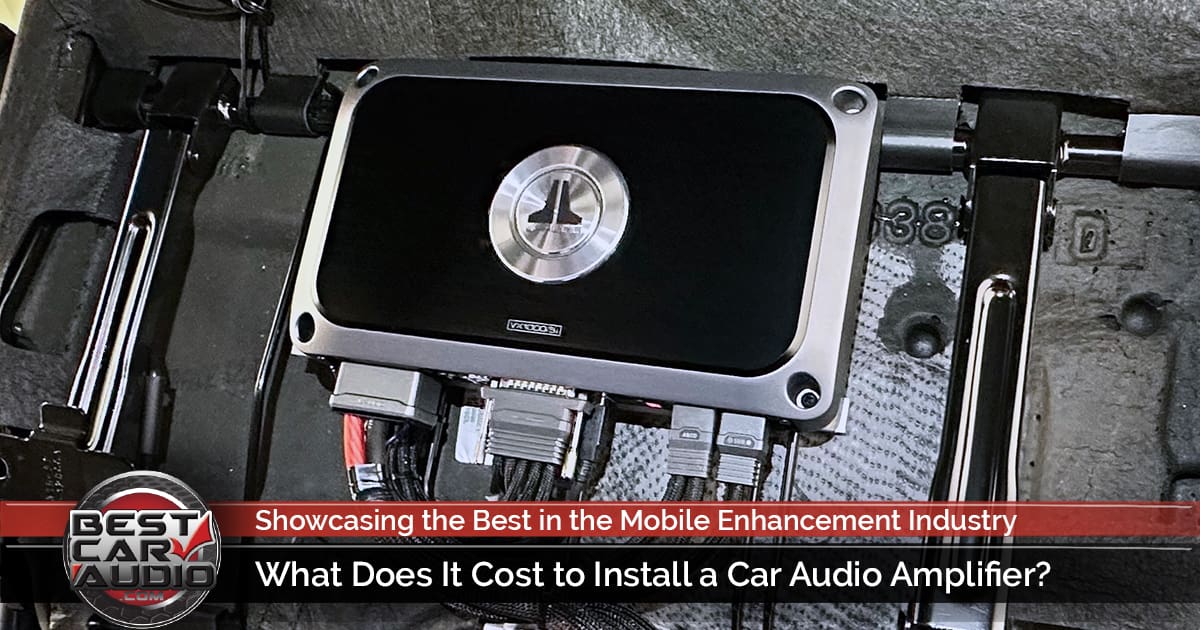
The average cost of installing a car speaker amplifier typically ranges between $100 and $300 for professional labor, depending on the complexity of the installation and the vehicle type.
This price does not include the amplifier unit itself, which can add anywhere from $100 to over $600 depending on brand, power output, and features. Basic installations with fewer components and accessible mounting locations tend to be on the lower end of the labor cost scale.
However, if additional equipment like capacitors, wiring kits, sound-damping materials, or integration with factory systems is needed, the total cost can increase significantly. Factors such as location, technician expertise, and whether the installer is an independent technician or a specialty shop also influence overall pricing.
Factors That Influence Installation Costs
- Installation complexity plays a major role—the more wires that need to be routed through door panels, under carpets, or behind dashboards, the higher the labor cost due to increased time and expertise needed.
- The type of vehicle matters—luxury or modern vehicles with advanced factory audio systems or complex wiring harnesses may require more time and specialized adapters, increasing labor fees.
- Additional components such as relay kits, remote level controls, or integration modules for preserving factory features (like steering wheel controls or amplifiers) can increase both material and labor costs significantly.
Cost Breakdown: Equipment vs. Labor
- The amplifier unit itself can cost between $100 and $600+, depending on power output (measured in watts RMS), number of channels, brand reputation, and build quality.
- Wiring kits, typically required for safe and efficient power delivery, range from $20 to $100 depending on gauge thickness and brand, with lower gauge kits for high-power systems costing more.
- Professional labor usually accounts for $100 to $300, with basic installations (single amplifier, simple routing) at the lower end and complex multi-amp or stealth installations at the higher end.
DIY vs. Professional Installation
- DIY installation can reduce labor costs significantly but requires proper knowledge of electrical systems, wiring safety, and sound optimization to avoid damaged components or unsafe power draws.
- Professional installers offer warranties on labor, reduce the risk of electrical issues such as battery drain or blown fuses, and often provide tuning services to optimize sound quality.
- While DIY saves money upfront, incorrect installations may lead to long-term expenses in repairs, diminished sound quality, or even vehicle electrical problems, making professional service a worthwhile investment for many users.
Does installing a car speaker amplifier increase volume and audio performance?

Yes, installing a car speaker amplifier significantly increases both volume and audio performance. Factory-installed car stereos and speakers are typically designed for basic functionality and cost-efficiency, which often results in limited power output and compromised sound quality, especially at higher volumes.
An amplifier boosts the audio signal sent to the speakers, allowing them to produce louder, clearer, and more dynamic sound. By providing clean power, an amplifier reduces distortion, enhances bass response, and improves overall soundstage and detail. This upgrade becomes particularly noticeable when listening to high-resolution audio or music genres that demand wide dynamic range, such as classical, rock, or electronic music.
How an Amplifier Enhances Volume Output
- An amplifier increases the electrical power delivered to the speakers, enabling them to move more air and produce higher sound pressure levels (SPL), which translates to louder volume without distortion.
- Unlike factory head units that may supply only 10 to 15 watts per channel, aftermarket amplifiers can provide 50 to over 100 watts per channel, allowing speakers to operate closer to their optimal performance range.
- With more power available, the system can maintain clarity and volume even in noisy driving environments, such as at highway speeds or with open windows, ensuring that audio remains full and articulate.
Improvements in Audio Clarity and Detail
- Amplifiers deliver a cleaner and more stable signal compared to low-powered head units, reducing harmonic and intermodulation distortion that can muddy the sound.
- With improved signal-to-noise ratio, subtle audio details like reverb, instrument separation, and vocal nuances become more apparent, enriching the listening experience.
- Proper amplification ensures that speakers can accurately reproduce transients — fast changes in sound like drum hits or plucked strings — resulting in tighter, more precise audio performance.
Better Bass Response and System Compatibility
- Many amplifiers include built-in bass boost circuits or support for external subwoofers, which significantly enhance low-frequency reproduction that standard speakers cannot achieve alone.
- An amplifier can match the power requirements of high-performance component speakers or subwoofers, ensuring seamless integration and optimal performance across all frequency ranges.
- Using an amplifier allows for system tuning with features such as gain control, crossover networks, and bass boost adjustment, enabling customization based on speaker specifications and personal listening preferences.
Frequently Asked Questions
What tools are needed for car speaker amplifier installation?
You'll need a screwdriver set, wire strippers, crimping tool, socket wrench, wrench set, electrical tape, multimeter, and possibly a drill.
Basic hand tools help remove panels and access wiring. Wire strippers and crimpers ensure secure connections. A multimeter tests power and ground. Always disconnect the car battery before starting to prevent electrical shorts or damage during installation.
Where should I mount the amplifier in my car?
Mount the amplifier in a well-ventilated area with enough space for heat dissipation, like the trunk near the rear wall or under a seat. Avoid locations exposed to moisture or extreme heat.
Ensure it’s secure and doesn’t interfere with passenger space or trunk usability. Allow room for wiring connections and future access. Proper mounting prevents vibration damage and maintains performance and safety over time.
How do I connect the amplifier to the car battery?
Run a power wire from the battery’s positive terminal through the firewall to the amplifier's power input. Use an in-line fuse near the battery to prevent electrical hazards.
Connect the ground wire to a metal part of the car’s chassis close to the amplifier. Ensure the engine is off and the negative battery terminal is disconnected during installation for safety and proper connection.
Can I install a car amplifier without professional help?
Yes, many people successfully install car amplifiers themselves with basic tools and wiring knowledge. Follow a clear wiring diagram, take safety precautions, and double-check all connections.
If you're unsure about electrical systems or encounter complex factory wiring, consulting a professional avoids damage. DIY installation saves money, but accuracy is key to protecting your car’s electronics and ensuring optimal sound performance.
Leave a Reply