
Outdoor Speaker Installation Guide
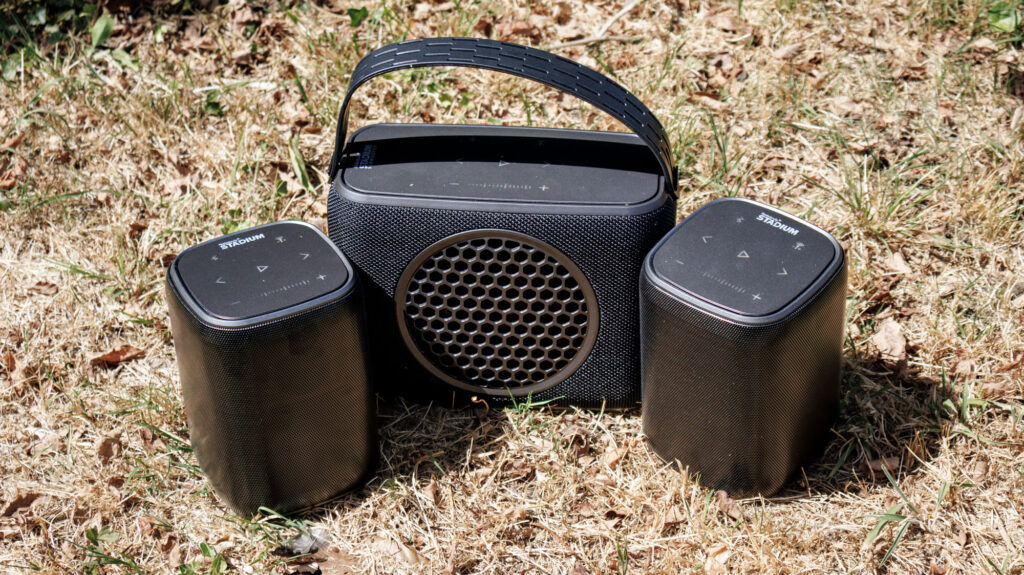
Installing outdoor speakers can transform your backyard, patio, or garden into an immersive audio environment perfect for entertaining or relaxing.
A well-planned setup delivers clear, rich sound while withstanding weather conditions and blending seamlessly with your outdoor décor. This guide walks you through selecting the right speaker type, determining optimal placement, running wiring efficiently, and connecting components for a reliable system.
Whether you prefer wired or wireless options, understanding the basics of outdoor speaker installation ensures a high-quality audio experience that enhances any outdoor space. With careful planning and attention to detail, you can enjoy powerful sound that complements your outdoor lifestyle all year round.
 Surface Studio As External Monitor
Outdoor Speaker Installation Guide: Step-by-Step Setup for Superior Sound
Installing outdoor speakers can significantly enhance your outdoor living experience by delivering high-quality audio for gatherings, relaxation, or entertainment. A proper installation ensures durability, optimal sound distribution, and seamless integration with your outdoor environment.
Whether you're setting up speakers in a backyard patio, garden, pool area, or pergola, following a structured guide helps prevent common issues like weather damage, poor acoustics, or wiring complications. This guide walks you through planning, positioning, wiring, and protecting your outdoor audio system to achieve the best balance of performance and longevity.
Selecting the Right Outdoor Speakers
When choosing outdoor speakers, it's essential to prioritize weather resistance, sensitivity, and power handling to match your amplifier or receiver. Look for models with an IP (Ingress Protection) rating of at least IP55 or higher to ensure protection against dust and water jets.
All-weather housings, rustproof grilles, and UV-resistant materials are key features that extend speaker life. Additionally, consider whether you need in-wall, ceiling-mounted, landscape, or pole-mounted speakers based on your outdoor layout and aesthetic preferences. Matching the speaker’s impedance (typically 8 ohms) and sensitivity (85 dB or higher) with your audio system ensures efficient sound output without overloading the amplifier.
 Geek Squad Car Speaker Installation
Optimal Speaker Placement and Positioning
Proper speaker placement dramatically affects sound clarity and coverage. For even audio distribution, position speakers 6 to 10 feet apart and angle them toward the primary listening area, such as a patio or seating zone.
Avoid placing speakers too close to walls or corners to minimize sound distortion. For larger areas, a surround sound configuration or zone-based setup can create immersive audio experiences.
Ceiling-mounted speakers work well under eaves or pergolas, while in-ground or stake-mounted landscape speakers blend naturally into garden settings. Always keep speakers at ear level when seated and consider barriers like trees or walls that may absorb or reflect sound.
Wiring and Power Considerations for Outdoor Audio
Using the correct outdoor-rated speaker wire is critical to ensure safety and long-term performance. Choose stranded copper wire with a gauge between 14 and 16 AWG, depending on distance—14 AWG for runs longer than 50 feet to reduce signal loss. Bury direct-burial cables at least 18 inches deep, or run wires through weatherproof conduit for added protection.
 Geek Squad Speaker Installation Price
Keep all connections dry by using waterproof wire connectors or injection-molded splices. If your system requires power, ensure outlets are GFCI-protected and positioned near the amplifier or powered devices. Labeling each wire at both ends simplifies future troubleshooting or upgrades.
| Component | Recommended Specification | Why It Matters |
|---|---|---|
| Speaker Type | All-weather, UV-resistant enclosures | Prevents degradation from sun, rain, and temperature changes |
| IP Rating | IP55 or higher | Ensures protection against dust and water exposure |
| Speaker Wire Gauge | 14 AWG (long runs), 16 AWG (short runs) | Minimizes signal loss over distance |
| Installation Depth | 18 inches for direct burial | Protects cables from lawn maintenance and environmental damage |
| Connections | Waterproof wire connectors or splice kits | Prevents corrosion and maintains signal integrity |
Frequently Asked Questions
What tools are needed for outdoor speaker installation?
Basic tools for outdoor speaker installation include a drill, screwdriver, wire stripper, measuring tape, and voltage tester. You may also need a ladder, fish tape, and weatherproof wire connectors. Ensure all tools are rated for outdoor use. Having the right equipment helps secure proper placement, prevents damage to wires, and ensures safety during installation. Always turn off power before starting to avoid electrical hazards.
How do I choose the right location for outdoor speakers?
Choose locations that provide even sound coverage and are protected from direct weather exposure. Place speakers at ear level when seated or standing in key areas like patios or decks. Avoid placing them near large obstacles that block sound. Consider aesthetics and keep wiring routes short and concealed. Ensure the location allows for secure mounting and complies with local electrical codes for outdoor installations.
Can I install outdoor speakers in exposed areas like open patios?
Yes, you can install outdoor speakers in exposed areas if they are specifically rated for outdoor use and have proper weatherproofing. Look for speakers with at least an IPX5 rating to resist moisture and dust. Secure mounting and using protective enclosures help increase longevity. Always follow manufacturer guidelines and shield wiring with conduit to prevent damage from weather or pests.
 Golf Cart Speaker Install
How deep should speaker wiring be buried during outdoor installation?
Speaker wiring should be buried at least 6 to 12 inches deep if using direct-burial cable. If running low-voltage wiring, 6 inches is typically sufficient. For cables without direct-burial rating, use PVC conduit and bury it at least 18 inches deep. This protects wires from moisture, lawn equipment, and temperature changes. Always check local electrical codes before digging to avoid accidents and ensure compliance.
Leave a Reply