
Best Speaker Configuration

Choosing the best speaker configuration depends on room size, listening preferences, and intended use. Whether for immersive home theater, precise audio mixing, or casual music enjoyment, layout plays a crucial role in sound quality. Common setups include stereo (2.0), surround sound (5.1, 7.1), and advanced formats like Dolby Atmos with height channels.
Each configuration offers distinct advantages: stereo delivers clarity and imaging, while multi-channel systems create a three-dimensional sound field. Proper speaker placement, room acoustics, and amplifier compatibility further influence performance. Understanding the strengths and limitations of each setup helps achieve optimal audio experiences tailored to individual needs and spaces.
Best Speaker Configuration for Optimal Audio Performance
Achieving the best speaker configuration is essential for creating an immersive and high-fidelity audio experience, whether for home theater, music listening, or professional studio environments. The ideal setup depends on room size, acoustic properties, usage scenario, and personal preferences.
 Speaker Configuration Software
A well-designed configuration ensures accurate sound staging, proper channel separation, and balanced frequency response across the listening area. Common configurations range from simple stereo (2.0) setups to surround sound systems like 5.1, 7.1, and immersive formats such as Dolby Atmos, which add overhead speakers for three-dimensional audio.
Proper speaker placement—such as angling front speakers toward the listening position, placing the center channel at ear level, and positioning subwoofers in corners or along walls for enhanced bass—can dramatically improve audio clarity and spatial realism. Calibration using built-in system tools or external measurement microphones further refines performance by adjusting levels, distances, and equalization to match the room’s acoustics.
Understanding Different Speaker Layouts and Their Uses
Selecting the right speaker layout begins with understanding the most common configurations and their intended applications. A stereo (2.0) setup, consisting of left and right speakers, is ideal for music playback and is the foundation of all multi-channel systems.
The 5.1 surround sound configuration adds a center channel for dialogue clarity, two surround speakers for ambient effects, and a subwoofer for low-frequency effects, making it a popular choice for home theaters. For larger rooms or more immersive experiences, 7.1 systems include two additional side or rear speakers to enhance spatial depth.
 Speaker Configuration Valorant
Meanwhile, advanced setups like 5.1.2 or 7.1.4 incorporate height channels (the .2 or .4) to enable object-based audio formats like Dolby Atmos and DTS:X, where sounds can appear to move overhead. Matching the layout to your room dimensions and primary use—be it movies, gaming, or music—ensures optimal performance and value.
Room Acoustics and Speaker Placement Principles
Room acoustics play a critical role in determining how effectively a speaker configuration performs. Hard surfaces can cause reflections and echoes, while soft materials like carpets and curtains help absorb excess sound and minimize distortions. The first reflection points—areas on walls, ceilings, and floors where sound bounces directly from speakers to the listener—should ideally be treated with acoustic panels.
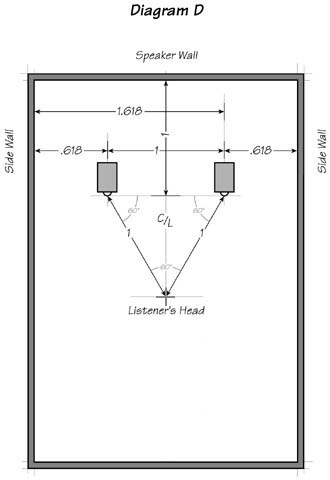
Proper speaker placement involves forming an equilateral triangle between the left and right front speakers and the primary listening position to achieve balanced stereo imaging. The center channel should be placed directly above or below the screen and aimed at ear level.
Surround speakers in a 5.1 or 7.1 setup should be slightly behind the listener and elevated at approximately 90–110 degrees from the center. Subwoofers benefit from strategic placement due to bass frequency wavelengths being omnidirectional; placing them in corners often enhances low-end output, though multiple subwoofers can help achieve smoother bass response across different seating positions.
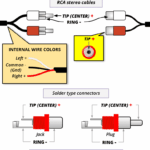 Speaker Wire Configuration
Choosing the Right Equipment for Your Configuration
The performance of any speaker configuration heavily depends on the quality and compatibility of the components involved. Selecting a receiver or AV processor that supports the desired audio formats—such as Dolby Atmos, DTS-HD Master Audio, or Auro-3D—is essential for unlocking the full potential of modern surround systems.
Speakers should be matched in terms of sensitivity, impedance, and tonal characteristics to ensure cohesive sound across all channels. Bookshelf speakers work well for surround channels, while floor-standing towers can serve as impactful front speakers. The center channel speaker should be of high quality since it handles most dialogue.
A well-calibrated subwoofer with a variable crossover setting allows seamless integration with main speakers. In addition, using high-quality speaker wire and ensuring secure connections prevents signal loss and interference. Room calibration systems like Audyssey, YPAO, or Dirac Live can automatically optimize speaker levels, delays, and EQ settings based on real-world room measurements.
| Configuration | Best Use Case | Key Advantages |
|---|---|---|
| 2.0 (Stereo) | Music listening, small rooms | Precise stereo imaging, simple setup |
| 5.1 Surround | Home theater, movies, gaming | Excellent surround immersion, balanced dialogue with center channel |
| 7.1.4 (Dolby Atmos) | Large home theaters, premium audio | Full 3D soundfield, overhead effects for immersive audio |
Best Speaker Configuration: A Comprehensive Guide to Optimal Audio Setup
What is the optimal speaker configuration for superior sound quality?

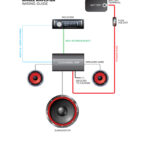 Speaker Wiring Configurations
The optimal speaker configuration for superior sound quality depends on the listening environment, intended use (music, movies, gaming), and personal preferences.
However, a well-designed 5.1 surround sound system is widely regarded as the standard baseline for immersive audio performance. This setup includes five full-range speakers (front left, front right, center, surround left, surround right) and one subwoofer for low-frequency effects.
For even greater precision and spatial realism, expanding to a 7.1 or Atmos-enabled configuration—adding height channels or additional surround speakers—can significantly enhance soundstage depth and directionality. Key factors such as speaker placement, room acoustics, and high-quality audio sources also play crucial roles in achieving optimal performance.
Recommended Speaker Layouts for Different Room Sizes
- In small rooms (up to 200 sq ft), a well-calibrated 2.1 stereo setup (two front speakers and a subwoofer) can deliver excellent sound quality by minimizing sound reflections and maintaining clarity, especially when side or rear surround channels might cause audio interference due to proximity.
- Medium-sized rooms (200–400 sq ft) benefit most from a 5.1 surround configuration, where the center channel anchors dialogue and on-screen action, front speakers handle primary stereo imaging, and surround speakers immerse the listener with ambient effects positioned slightly behind the listening area.
- Larger rooms (over 400 sq ft) often require expanded setups such as 7.1 or 5.1.4 Dolby Atmos, incorporating additional side and rear surround speakers or in-ceiling speakers to maintain consistent sound coverage and prevent audio dropouts in expansive spaces.
Importance of Speaker Placement and Angles
- Front left and right speakers should form an equilateral triangle with the primary listening position, angled inward (toed-in) to focus sound directly at the listener, which improves stereo imaging and vocal clarity.
- The center channel speaker must be placed directly above or below the screen, aligned with the viewer’s ear level, to ensure dialogue remains anchored to the visual action and does not appear to shift with speaker transitions.
- Rear and side surround speakers in surround setups should be placed 90–110 degrees from the front center axis, slightly above ear level, to create a diffuse ambient field without drawing attention to specific speaker locations, enhancing the sense of envelopment.
Role of Room Acoustics and Calibration
- Room treatment elements such as bass traps, acoustic panels, and diffusers help mitigate standing waves, echo, and frequency buildup, especially in untreated or highly reflective spaces, allowing speakers to perform closer to their intended sonic characteristics.
- Using an audio calibration system (like Audyssey, Dirac Live, or built-in room correction in AV receivers) adjusts volume levels, distance delays, and equalization for each speaker based on real-time measurements, ensuring a balanced and cohesive sound field across all channels.
- Proper speaker isolation—using stands with spikes, isolation pads, or decoupled wall mounts—reduces vibration transfer to surfaces, minimizing resonance and improving overall sound clarity and detail retrieval.
What is the 1/3/1/5 speaker placement rule in optimal speaker configuration?
 TF2 Speaker Configuration
What Is the 1/3/1/5 Speaker Placement Rule?
- The 1/3/1/5 speaker placement rule is a guideline used to optimize the positioning of left and right loudspeakers in a stereo or surround sound listening environment, especially for critical audio monitoring and home theater setups. The numbers refer to proportional distances within the room: the front speakers should be placed one-third of the way into the room from the front wall, and the listening position should be located one-third of the way from the back wall. The “1/5” refers to the recommended side wall clearance, meaning each speaker should be at least one-fifth of the room's width away from the nearest side wall to reduce early reflections and standing wave interference.
- This configuration aims to minimize the impact of room modes—resonant frequencies caused by sound wave reflections between parallel walls—that can color the audio and distort clarity. By adhering to these fractional placements, listeners can achieve a more balanced frequency response, particularly in the low-frequency range, where room acoustics play a critical role.
- The 1/3/1/5 rule is especially useful in rectangular rooms where sound waves are more predictable, allowing users to position equipment in zones that reduce modal cancellation and reinforcement. It serves as a starting point for tuning, after which fine adjustments using measurement tools and room correction software can further refine the sound experience.
Why Is the 1/3/1/5 Rule Effective for Audio Clarity?
- The 1/3/1/5 placement is effective because it avoids locations where room modes cause exaggerated bass peaks or nulls. Placing speakers and the listening position at one-third points avoids the room’s primary pressure nodes, where sound waves reflect in-phase or out-of-phase, leading to boomy or weak bass response.
- By keeping speakers one-fifth of the room width from side walls, the rule limits strong early reflections that can interfere with the direct sound from the drivers, preserving stereo imaging and spatial precision. This lateral spacing helps maintain clear soundstage localization, particularly for center and off-center instruments in a mix.
- This rule also helps in distributing low-frequency energy more evenly across the listening area, reducing seat-to-seat variation in bass levels. The combination of front-to-back and side-to-side proportions allows for smoother transition across the frequency spectrum, which is essential for both music production and high-fidelity playback.
How to Apply the 1/3/1/5 Rule in Practice?
- To apply the 1/3/1/5 rule, first measure the length and width of your room. Calculate one-third of the room’s length from the front wall to determine where the front speakers should be placed along the depth axis. Then, calculate one-third from the back wall to find the optimal listening position. Ensure both front speakers form an equilateral triangle with the listening spot for ideal stereo imaging.
- Next, measure the room’s width and divide it by five to find the minimum distance each speaker should be from the nearest side wall. If possible, place the speakers slightly beyond this distance to further reduce boundary effects. Use a tape measure and painter’s tape to mark positions on the floor before placing equipment.
- After positioning, use a sound pressure level meter or acoustic measurement software with a calibrated microphone to verify frequency balance at the listening position. Make minor adjustments to toe-in angle or distance based on measurements and listening tests. While the 1/3/1/5 rule is a strong guideline, real-world adjustments may be necessary based on room irregularities, furniture, and speaker design.
Frequently Asked Questions
What is the best speaker configuration for home theater?
The best speaker configuration for a home theater is typically a 5.1 or 7.1 surround sound setup. A 5.1 system includes front left, center, front right, surround left, surround right, and a subwoofer. The 7.1 adds two additional rear speakers for enhanced surround effects. This layout provides immersive audio for movies and games, delivering clear dialogue and dynamic sound movement around the room.
How do I choose the right speaker placement for optimal sound?
For optimal sound, place the front left and right speakers at ear level and angled toward the primary listening position. The center channel should be directly above or below the TV, facing the listener. Surround speakers in a 5.1 setup should be slightly behind and to the sides. The subwoofer works best near the front of the room, but placement may vary based on room acoustics.
Is a soundbar better than a multi-speaker setup?
A soundbar offers convenience and space-saving benefits but generally cannot match the immersive experience of a full multi-speaker setup like 5.1 or 7.1. While high-end soundbars simulate surround sound, they lack discrete audio channels. For superior audio depth, clarity, and directional effects, especially in larger rooms, a multi-speaker configuration is typically the better choice for audiophiles and home theater enthusiasts.
Do I need a subwoofer in my speaker configuration?
Yes, a subwoofer is essential for reproducing low-frequency effects (LFE) and bass-heavy audio that smaller speakers cannot handle. It enhances movie explosions, music depth, and overall audio realism. Even in smaller setups like 2.1 or 5.1, the subwoofer significantly improves sound quality by offloading bass production from main speakers, allowing them to focus on mid and high-range frequencies with greater clarity.
 Valorant Speaker Configuration
Leave a Reply