
Speaker Configuration Mono Or Stereo
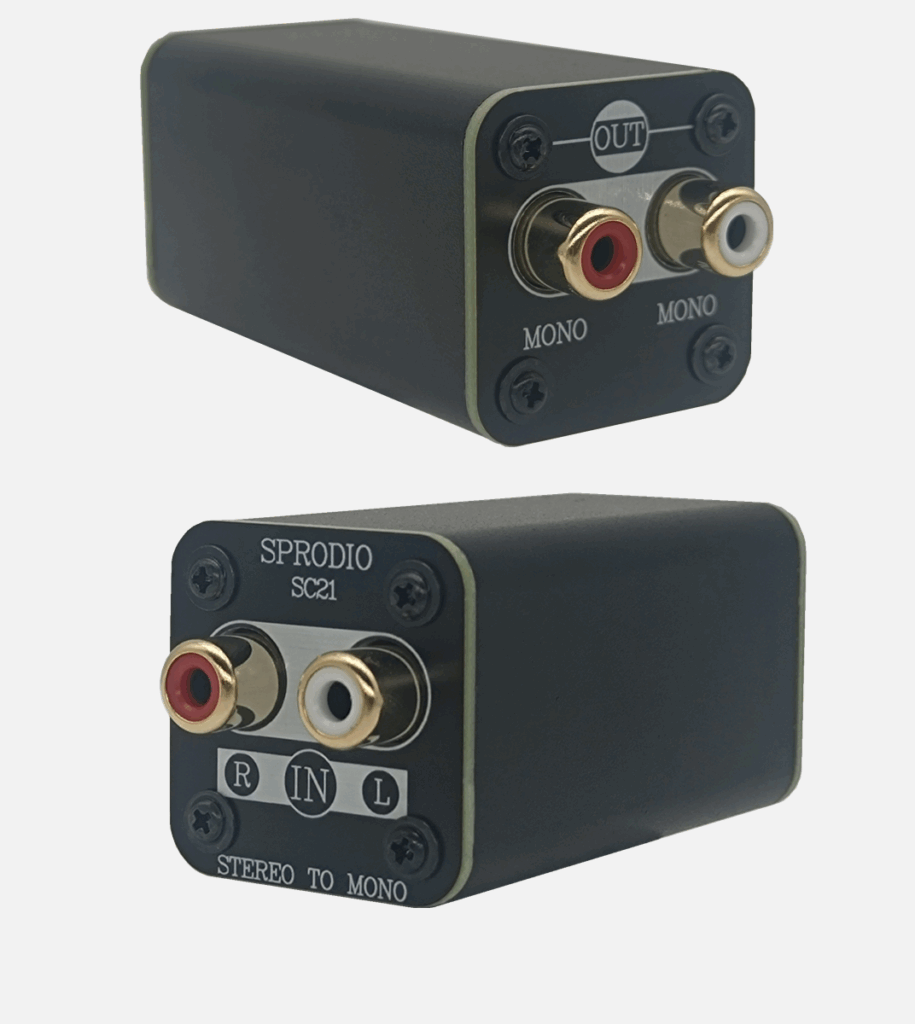
Choosing the right speaker configuration is essential for achieving optimal audio performance in any environment. The decision between mono and stereo sound depends on the intended use, space, and listener experience. Mono audio delivers the same signal through all speakers, creating a single-channel output ideal for voice announcements, podcasts, and public address systems.
In contrast, stereo uses two separate channels—left and right—providing a richer, more immersive experience suited for music, film, and entertainment. Understanding the strengths and limitations of each setup ensures better sound quality and system efficiency, helping users make informed decisions based on their specific audio needs and technical requirements.
Understanding Speaker Configuration: Choosing Between Mono and Stereo
When setting up an audio system, one of the most fundamental decisions involves selecting the appropriate speaker configuration—specifically, whether to use mono (monaural) or stereo (stereophonic) audio. This choice significantly impacts sound quality, spatial perception, and the overall listening experience.
 Dolby Atmos Speaker Configurations
Mono audio transmits the same signal through all speakers, producing a centralized sound image, which works well in environments where uniform sound coverage is essential, such as public address systems or small retail spaces. In contrast, stereo uses at least two independent audio channels—left and right—to create a more immersive experience by mimicking natural hearing through spatial separation.
The application context, room acoustics, and desired auditory effect are crucial factors in determining whether mono or stereo is more suitable. For instance, music production and home entertainment systems typically favor stereo for its depth and realism, while announcements and voice-only applications may benefit from the simplicity and consistency of mono.
What Is Mono Speaker Configuration?
Mono speaker configuration refers to an audio setup where a single audio channel is distributed identically across all connected speakers. This means that regardless of how many speakers are used, each one reproduces the exact same sound at the same volume and timing, resulting in a cohesive but non-directional audio output.
Mono is especially effective in environments where clarity and equal sound distribution are prioritized over spatial effects, such as in classrooms, elevators, or airport terminals. Because there is no left-right differentiation, mono eliminates potential phase issues and ensures that listeners hear consistent audio no matter their position relative to the speakers.
 Dota 2 Speaker Configuration
It's also commonly used in telephony, podcasts, and voice recordings where the message content is more critical than auditory depth. While mono lacks the immersive qualities of stereo, its reliability and simplicity make it indispensable in many professional and public applications.
What Defines Stereo Speaker Configuration?
Stereo speaker configuration utilizes two separate audio channels—left and right—delivered through at least two speakers to create a sense of soundstage and spatial depth. This setup mimics how human ears naturally perceive sound, allowing listeners to detect directional cues and instrument placement in music or environmental effects in movies.
The stereo effect is fundamental in audio entertainment, including home theaters, music studios, and gaming systems, where immersion and realism are key. Proper speaker placement, such as forming an equilateral triangle with the listener, enhances the stereo image and ensures optimal sound separation.
Because stereo requires more complex signal processing and wiring, it tends to be more resource-intensive than mono setups. However, the rich auditory experience it provides—from subtle panning effects to expansive soundscapes—makes stereo the preferred choice for high-fidelity applications where audio nuance matters.
 Half Life 2 Speaker Configuration
When to Choose Mono vs. Stereo for Your Setup
Deciding between mono and stereo depends largely on the use case, environment, and desired auditory outcome.
Mono is ideal when the primary goal is uniform sound coverage and vocal clarity, especially in single-source audio scenarios such as live announcements, teleconferencing, or background music in retail spaces. In contrast, stereo is better suited for multimedia experiences like music listening, film playback, or gaming, where audio imaging and depth enhance engagement.
Room size and speaker layout also influence the decision—small or oddly shaped rooms may not support effective stereo separation, making mono a more practical option. Additionally, compatibility with audio sources matters; if the content is mixed in mono, using a stereo system won’t improve sound quality. The table below summarizes key considerations for selecting the right configuration:
| Factor | Mono Configuration | Stereo Configuration |
|---|---|---|
| Sound Coverage | Uniform across all speakers; ideal for even distribution | Directional; requires balanced placement for optimal effect |
| Budget & Setup | Simpler wiring and lower cost; fewer components needed | More complex installation; requires two channels and speakers |
| Best Use Cases | PA systems, voice-only content, small spaces | Music, movies, gaming, home theaters |
| Audio Quality | Clear and consistent, but flat spatially | Richer, immersive, with depth and separation |
| Content Compatibility | Best with mono-recorded sources | Takes full advantage of stereo-mixed content |
Speaker Configuration: Mono vs Stereo – A Complete Guide
Mono vs stereo speakers: which configuration offers better audio performance?

 How Do I Configure Sherpa Tts To Speak English
Binaural Perception and Spatial Audio Imaging
Human hearing relies on binaural perception to determine the direction and distance of sound sources. Stereo speaker systems leverage this natural auditory function by delivering two distinct audio channels—left and right—creating a soundstage that mimics real-life acoustic environments.
This spatial imaging allows listeners to perceive where instruments or voices are positioned within a recording, enhancing the realism and immersion of the audio experience. In contrast, mono systems output the same signal through all speakers, resulting in a centralized sound image that lacks dimensionality.
- Stereo systems use independent left and right audio channels to simulate natural sound localization.
- The separation between channels enables the perception of width, depth, and spatial placement of instruments.
- Mono systems collapse all audio into a single channel, eliminating directional cues and resulting in a flat audio field.
Application and Use Case Suitability
The effectiveness of mono versus stereo configurations often depends on the listening environment and intended use. Stereo setups are ideal for music reproduction, home theaters, and immersive audio applications where spatial detail enhances enjoyment.
However, mono can be more practical in public address systems, small retail spaces, or telephones, where consistent sound coverage across an area is more important than audio dimensionality. Additionally, in scenarios where a listener is not positioned symmetrically between speakers, stereo imaging may degrade, making mono a more reliable option.
 2.1 Speaker Configuration
- Stereo excels in environments where accurate sound reproduction and listener immersion are priorities.
- Mono is preferred in situations requiring uniform sound distribution, such as announcements or background music in stores.
- Off-axis listening significantly reduces stereo imaging benefits, making mono more consistent across varying listener positions.
Technical Simplicity and Signal Compatibility
Mono speaker systems are technically simpler, requiring fewer components and less complex signal routing. This simplicity contributes to lower manufacturing and setup costs, making mono a cost-effective solution for basic audio needs.
Furthermore, mono signals are fully compatible with stereo systems—since stereo equipment can downmix mono content—whereas the reverse is less effective, as stereo signals played through a mono system lose channel separation and spatial information. Signal integrity in mono is also more resilient in environments with interference or limited bandwidth.
- Mono systems require only one audio channel, reducing wiring complexity and hardware demands.
- Compatibility across audio systems is enhanced since mono signals can be played back on both mono and stereo setups without issues.
- Stereo signals lose spatial fidelity when collapsed into mono, potentially causing phase cancellation and reduced audio clarity.
Should I use mono or stereo speaker configuration for optimal audio performance?

Whether you should use a mono or stereo speaker configuration for optimal audio performance depends on the intended use, listening environment, and content type.
 Auro 3D Speaker Configuration
Stereo setups typically provide a more immersive and spatial listening experience due to the separation of audio channels, which mimics natural hearing. This makes stereo ideal for music, movies, and gaming, where directional sound and depth enhance the experience.
Mono, on the other hand, delivers identical audio signals to all speakers, ensuring uniformity and clarity, especially in environments where listeners are spread out or not positioned directly in front of the sound source. For voice announcements, podcasts, or public address systems, mono is often sufficient and sometimes preferred. Ultimately, the decision should align with your specific audio requirements and room dynamics.
When to Choose Stereo for a Richer Audio Experience
- Stereo speaker configurations excel in delivering spatial audio, where different sounds appear to come from distinct directions. This creates a realistic soundstage ideal for home theaters and music lovers who appreciate instrument separation and depth.
- If you are consuming media such as films, recorded music, or video games, stereo allows you to hear subtle environmental effects—like footsteps moving from left to right—which significantly improves immersion.
- For audiophiles and content creators, stereo systems provide a more accurate representation of how multi-track recordings are mixed and mastered, ensuring a faithful reproduction of the original audio material.
Advantages of Mono for Clarity and Consistency
- In public spaces like retail stores, classrooms, or conference halls, a mono setup ensures that everyone receives the same audio quality regardless of their position, eliminating the risk of missing dialogue or crucial information due to uneven stereo imaging.
- Speech-focused content such as lectures, radio broadcasts, and emergency alerts benefits from mono because it centers the voice and avoids potential phase cancellation that can occur with stereo setups, leading to clearer vocal reproduction.
- Using mono can also simplify system design and reduce costs, since it often requires fewer amplifier channels and allows for easier synchronization of sound coverage across multiple speakers in large areas.
Technical Considerations in Mono vs Stereo Setups
- Stereo systems require careful speaker placement, ideally forming an equilateral triangle with the listener, to achieve optimal imaging. If placement is suboptimal—such as off-center seating—stereo advantages may be diminished, making mono more practical.
- Mono signals are more compatible with older audio equipment and broadcasting systems that do not support stereo, ensuring broader compatibility and reliability in mixed environments.
- When recording or live sound mixing, using mono for certain sources (like a single microphone for vocals) minimizes phase issues and allows for tighter control when blending multiple sound sources in the final mix.
Frequently Asked Questions
What is the difference between mono and stereo speaker configurations?
Mono speaker configuration uses a single audio channel, delivering sound identically through all speakers. Stereo uses two channels—left and right—creating a spatial audio experience. Stereo provides richer, more immersive sound by simulating directionality, while mono ensures uniform coverage. The choice depends on content and listening environment. Mono is ideal for voice announcements, while stereo enhances music and cinematic experiences.
When should I use a mono speaker setup?
Use a mono speaker setup when consistent sound coverage is essential across large or open areas, such as conference rooms, classrooms, or retail spaces. Mono is ideal for voice announcements, public address systems, or environments where listeners move around. It eliminates audio imbalances between left and right channels. For content primarily focused on clear speech rather than music or immersive effects, mono ensures reliability and simplicity in audio distribution.
 Best 7.1 Speaker Configuration
Why is stereo preferred for music and movies?
Stereo is preferred for music and movies because it delivers a more immersive and realistic audio experience using separate left and right channels. This separation creates a sense of direction, depth, and spatial awareness, mimicking how humans naturally hear sound. Instruments and voices appear to come from specific locations, enhancing engagement. For entertainment media designed with panning and layered audio effects, stereo reproduction significantly improves clarity and emotional impact.
Can I switch between mono and stereo speaker configurations?
Yes, many audio systems allow switching between mono and stereo configurations, depending on the amplifier, receiver, or software settings. Some devices automatically default to mono when only one speaker is detected. Check your equipment’s manual for configuration options. Keep in mind that switching to mono won’t damage stereo speakers, but stereo content may lose spatial effects. Choose based on your listening needs and content type.
Leave a Reply